

China’s used cooking oil ships to US as war drives biofuel boom
Fuel makers now are scrambling to acquire feedstocks to churn out renewable diesel
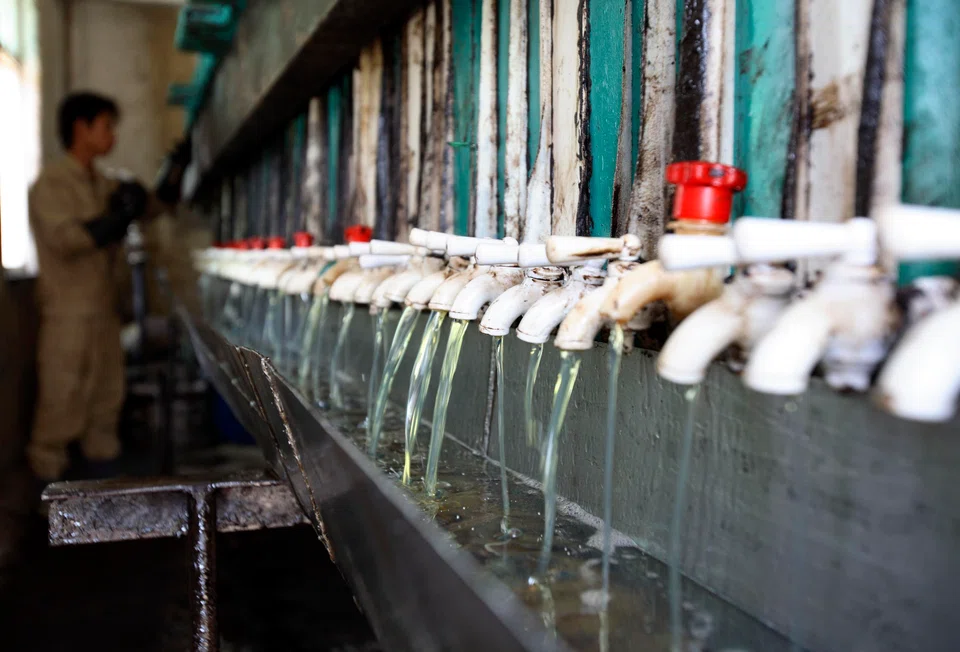
AMERICAN imports of used cooking oil (UCO) from China are set to accelerate as increased US biofuel-blending requirements kick in and the Iran war drives up energy costs, making the feedstock a relative bargain.
Two cargoes carrying a combined 339,000 barrels of so-called UCO arrived in the US in the last month or so, according to Kpler data. The supplies represent the biggest imports this year, with about half of it delivered to Port Arthur, Texas, where Valero Energy partners with Darling Ingredients at the Diamond Green Diesel facility.
More imports are expected, with the Trump administration’s renewable fuels plan requiring a record amount of biofuels to be mixed into conventional diesel and petrol supplies this year. The stepped-up blending quotas are designed to boost demand for American farmers, and were unveiled in March as the US and Israel’s attacks on Iran caused prices for oil and fertiliser to surge.
Fuel makers now are scrambling to acquire feedstocks to churn out renewable diesel and take advantage of high prices both for fuel and credits tied to compliance with the US’ renewable volume obligations, known in the industry as RVOs.
“Renewable fuel producers are working every angle to source feedstock and ramp up production,” said Michael Logan, UCO analyst at Bloomberg Green Markets. “As long as the domestic market stays firm, expect more flow to follow.”
Soybean oil, the most popular feedstock used to make renewable diesel, recently hit the highest price since November 2022 while its premium to used cooking oil imports at the US Gulf Coast also rose to the highest in nearly four years. Other feedstocks are also getting more costly, with prices for rendered beef tallow climbing to a record in Chicago.


'%3e%3cpath%20d='M12.1475%2025.5262C13.7713%2025.4295%2014.94%2023.913%2014.94%2021.8832C14.94%2019.5359%2013.474%2018.093%2011.5917%2018.093C11.3745%2018.093%2010.9582%2018.093%2010.8393%2018.1413V25.2086L11.8891%2025.5745C11.8891%2025.5745%2012.207%2025.5262%2012.1475%2025.5262ZM11.4934%2017.6281C13.2567%2017.6281%2014.3843%2016.4292%2014.3843%2014.4501C14.3843%2012.372%2013.275%2011.2973%2011.4339%2011.2973H10.8393V17.6305H11.4934V17.6281ZM6.66078%2025.6482L7.39265%2025.5492C8.02617%2025.4502%208.26403%2025.3053%208.26403%2025.1097V11.6149C8.26403%2011.4193%208.1451%2011.3709%207.23484%2011.249L6.68137%2011.173L6.6219%2010.7588H11.9508C15.7153%2010.7588%2017.0624%2012.0797%2017.0624%2014.1578C17.0624%2015.9666%2015.7748%2017.1909%2013.4969%2017.6305V17.7041C16.111%2017.948%2017.6571%2019.5382%2017.6571%2021.7636C17.6571%2024.3318%2015.8937%2026.0417%2012.1109%2026.0417H6.60132L6.66078%2025.6482Z'%20fill='%232B2B2B'/%3e%3cpath%20d='M20.6287%2025.6505L21.5596%2025.5515C22.1725%2025.4779%2022.4104%2025.3076%2022.4104%2025.112V11.249H21.9346C20.073%2011.3479%2018.982%2013.0095%2018.408%2014.6227L18.1907%2015.5018H17.6555L18.1701%2010.7588H29.3837L29.6421%2015.4787H29.1664L28.9491%2014.6227C28.3728%2012.8645%2027.3047%2011.2743%2025.5002%2011.249H24.9856V25.1856C24.9856%2025.3812%2025.1251%2025.4548%2025.9965%2025.5515L26.7695%2025.6505L26.829%2026.0417H20.5693L20.6287%2025.6505Z'%20fill='%232B2B2B'/%3e%3c/g%3e%3cdefs%3e%3cclipPath%20id='clip0_5242_21648'%3e%3crect%20width='24'%20height='16.8'%20fill='white'%20transform='translate(6%2010)'/%3e%3c/clipPath%3e%3c/defs%3e%3c/svg%3e)
US imports of UCO surged beginning in 2023, with a wave of shipments in 2024 prompting backlash from some farmers as well as the biggest soybean processors, who claimed the foreign supplies undercut domestic producers. Such shipments fell sharply in 2025 while this year has started slowly, before the blending requirements were released.
“We have to import,” said No Bull Ag analyst Susan Stroud, adding that there’s insufficient domestic supplies for the new targets. “The gap is too large with this new RVO.” BLOOMBERG
Decoding Asia newsletter: your guide to navigating Asia in a new global order. Sign up here to get Decoding Asia newsletter. Delivered to your inbox. Free.
Share with us your feedback on BT's products and services
TRENDING NOW

DBS, OCBC, UOB rout lops billions off STI as inflation, rate concerns spook investors

Grab CEO’s wife Chloe Tong on life with Anthony Tan and finding her purpose

OCBC sheds S$8 billion in value as shares close nearly 6% down; analysts cautious on banks

Deal between tycoon friends sparks scrutiny of Philippine power sector

