

Chinese refiners expected to replace Venezuelan oil with Iranian crude
Analysts say the Venezuela drama hits ‘teapots’ the hardest, and do not foresee them bidding up for unsanctioned barrels
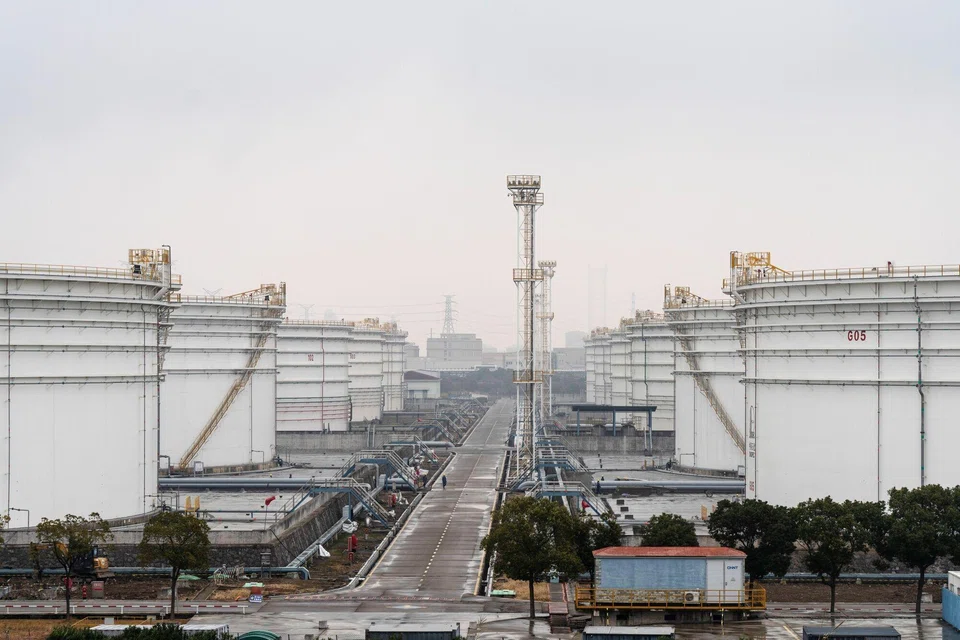
[SINGAPORE] Chinese independent refiners are expected to switch to heavy crude from sources including Iran in coming months, to replace Venezuelan shipments halted since the US removed the country’s president, traders and analysts said.
Caracas and Washington agreed to export up to US$2 billion worth of Venezuelan crude to the US, President Donald Trump said on Tuesday (Jan 6), after US forces captured Venezuelan President Nicolas Maduro over the weekend.
That arrangement is likely to curtail Venezuelan supply to China, analysts say, reducing a source of cheap oil for independent refiners known as teapots.
The world’s biggest crude importer is a major buyer of discounted sanctioned oil from Russia, Iran and Venezuela.
Ample Russian, Iranian supply
“The Venezuela drama hits China’s independent refineries the hardest, as they may lose access to the discounted heavy barrels,” said Sparta Commodities analyst June Goh.
“However, as there are ample Russian and Iranian feedstocks available and Venezuelan barrels on (the) water, we do not foresee the teapots needing to bid up for unsanctioned barrels, as the economics would likely not make sense for them,” she added.
China imported 389,000 barrels a day of Venezuelan oil in 2025, about 4 per cent of its total seaborne crude imports, showed data from Kpler, a commodity and shipping intelligence company.
At least a dozen sanctioned vessels that loaded in December departed Venezuelan waters in early January, carrying some 12 million barrels of crude and fuel.
However, loadings for Asia at Venezuela’s main ports have stopped since Jan 1, shipping data showed.


With supply tightening, the sellers of Venezuelan Merey crude for prompt delivery offered cargoes at discounts of about US$10 a barrel to Intercontinental Exchange (ICE) Brent versus US$15 last month, said one trader, although trade has come to a standstill.
Another trader said offers were at minus US$11 a barrel.
Floating storage can last 75 days
Venezuelan crude aboard ships in Asia remains sufficient to cover roughly 75 days of Chinese demand, limiting any immediate upside for alternatives, said Kpler senior analyst Xu Muyu.
The teapots using Venezuelan oil are likely to switch to Russian and Iranian supply in March and April, and China can also tap non-sanctioned sources such as Canada, Brazil, Iraq and Colombia, she added.
Buyers have yet to start sourcing alternatives, trade sources said, with Iranian Heavy crude priced at a discount of about US$10 a barrel to ICE Brent in ample supply, the cheapest alternative.
The teapots may also consider Middle Eastern grades such as Iraqi Basrah, a Singapore-based trader said.
Meanwhile, discounts for Canadian crude have widened more than US$2 this week, to US$4 to US$5 a barrel, to ICE Brent for delivery in April to China on expectations of lower US demand, traders said.
This includes Cold Lake and Access Western Blend exported from the Trans Mountain pipeline. REUTERS
Decoding Asia newsletter: your guide to navigating Asia in a new global order. Sign up here to get Decoding Asia newsletter. Delivered to your inbox. Free.
Share with us your feedback on BT's products and services
TRENDING NOW

ComfortDelGro appoints two new independent directors

Once staunchly pro-China, Malaysian Chinese businesses are now distancing themselves from Beijing

NoonTalk needs continued financial support from CEO Dasmond Koh, auditors warn

DP Architects sets the benchmark for sustainability disclosure and design

