Chinese traders, warehouses probed for aluminium fraud
 Add BT as a preferred source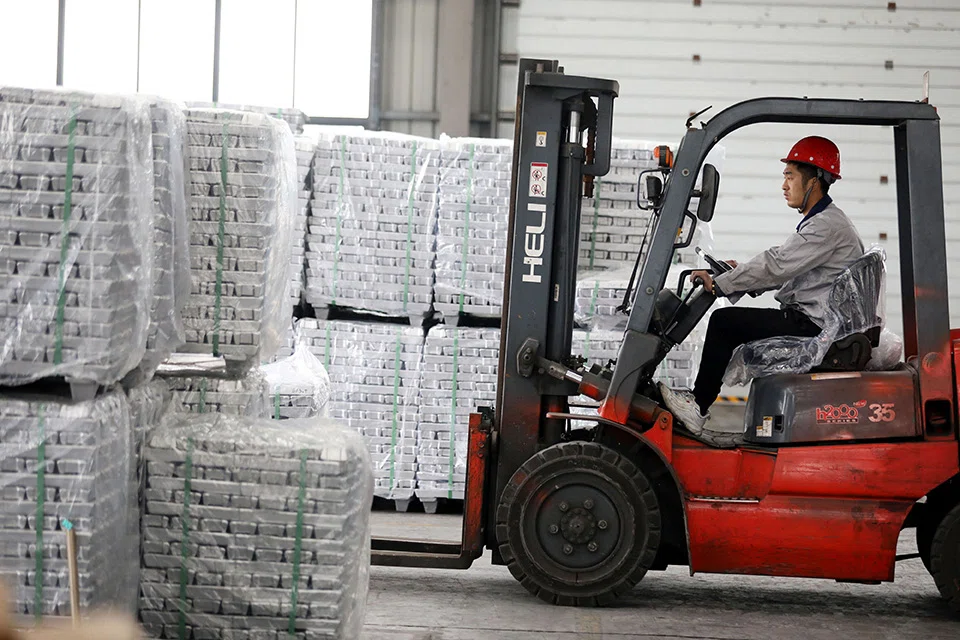
DeeperDive is a beta AI feature. Refer to full articles for the facts.
AN investigation into the fraudulent use of aluminium stocks to raise finance in China has expanded to three Shanghai-based companies suspected of having pledged aluminium stocks several times over, the state-backed Securities Times reported.
The investigation comes after another trader, Ping An Trading, found this month it had been duped into providing financing for more than 30,000 tonnes of aluminium ingots, involving capital of 600 million yuan (S$123.8 million), when the actual stocks in a warehouse in Guangdong province were lower.
Using commodities as collateral in financing in China is common and not illegal but issuing receipts to repeatedly mortgage an asset is fraud and could leave more than one creditor holding claims to the same collateral.
The case has been widely discussed in the metals trading sector and spot aluminium prices fell when the news of the Ping An findings emerged last week, according to analysts, though they have since steadied.
Repeated pledges of aluminium ingots have now involved more than 20 companies and several delivery warehouses with stocks worth billions of yuan, the Securities Times reported on Friday.
The newspaper, citing a person in charge of a company involved in the case, said the traders being investigated included Shanghai Juyi International Trade, Shanghai Haishirong Industrial and Shanghai Ruiguang International Trade.
Navigate Asia in
a new global order
Get the insights delivered to your inbox.
All three companies declined to comment when reached by Reuters.
The aluminium inventories pledged several times over are at the Shanghai Nanchu, Zhejiang Kangyun and Ningbo Jiulong warehouses, on China’s east coast, the newspaper reported, adding that some of them had been sealed off.
Zhejiang Kangyun declined to comment when reached by Reuters, while Shanghai Nanchu denied that their inventories had been used for repeated pledges.

Ningbo Jiulong did not answer calls seeking comment.
The warehouse in Guangdong linked to the Ping An case, Foshan Zhongjin Shengyuan, has also been sealed off by police after several owners tried to move ingots out of it, the Securities Times reported.
Some warehousing firms have said they are taking metals that have been moved out of the implicated warehouses.
China is the world’s top producer and consumer of aluminium, which is used in transport, construction and a wide range of household items.
The case has revived memories of a major financing scandal centred on the port city of Qingdao in 2014, when a metals trading firm duplicated warehouse certificates in order to use a metal cargo multiple times to raise financing.
The scandal impacted major global banks, led to lawsuits over ownership of inventory and hurt China’s metals trade. REUTERS
Decoding Asia newsletter: your guide to navigating Asia in a new global order. Sign up here to get Decoding Asia newsletter. Delivered to your inbox. Free.
Share with us your feedback on BT's products and services