Climate action to spur Australian green bonds to record year
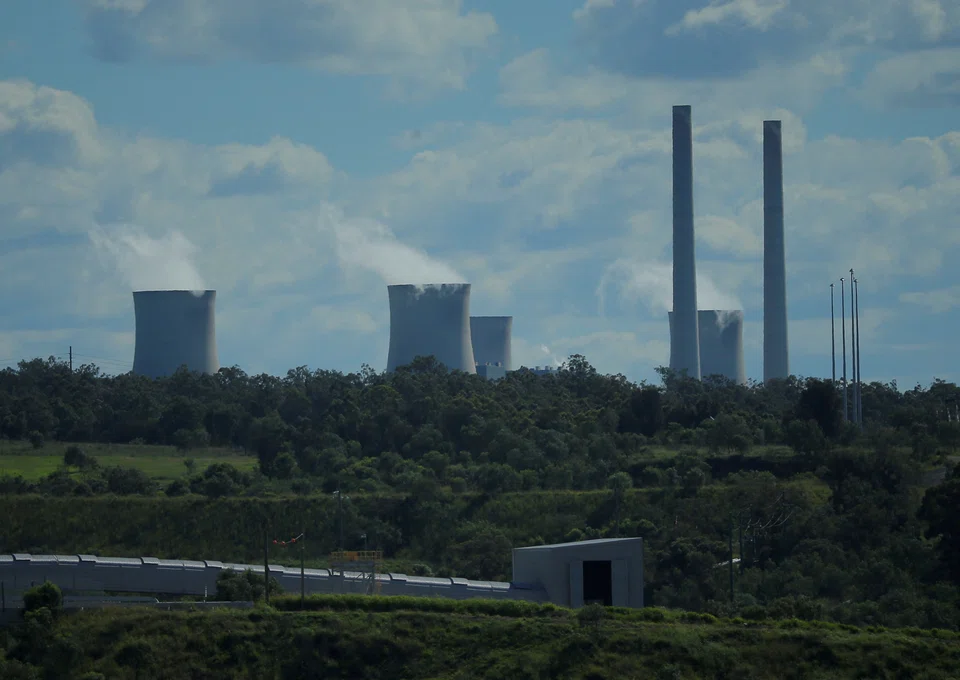
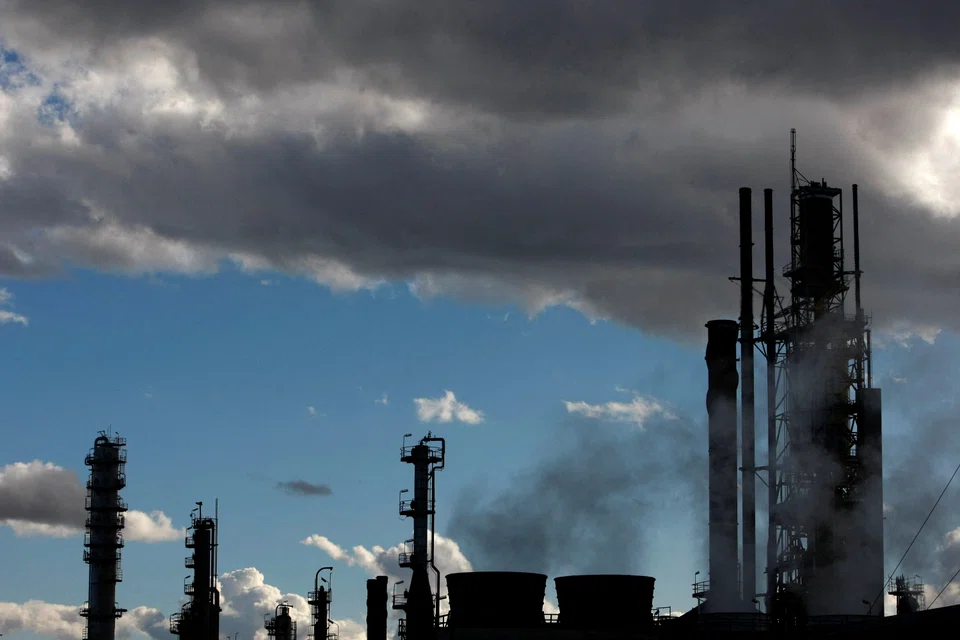
AUSTRALIAN green bond issuance is on pace for a record-breaking year, lifted by the new government’s commitment to emissions cuts and other action on climate change.
So far in 2022, A$4.6 billion (S$4.4 billion) of green debt has been issued and looks set to pass last year’s A$6 billion total, data compiled by Bloomberg show. A surge in Australian-dollar issuance over the past 10 months has fuelled this year’s sales, which are 150 per cent higher compared with the same time last year.
Australia’s sustainable debt industry got an important boost from May’s federal election, which secured a record vote for the Greens and cemented climate policy as a priority for the Labor government, said Susan Barron, global head of sustainable capital markets at Barclays, one of the top 10 managers for sales of such bonds.
“It’s a very positive momentum creator, that formalisation through government policy,” Barron said. “Coupled with other initiatives around creation of standards and taxonomies to provide definition and clarity, that can encourage local domestic issuance growth.”
Prime Minister Anthony Albanese is a radical change from his predecessor, Scott Morrison, who famously signalled his commitment to the country’s fossil fuel industries by bringing a lump of coal into the parliament. Some borrowers have balked at Australia’s role as a major producer of fossil fuels and other commodities: Sweden’s central bank dumped the bonds of Western Australia and Queensland states over the issue.
Australia represents a small corner of global borrowings focused on environmental, social and governance (ESG) issues, but the policy shift enhances the market’s potential. Banks in particular have shown a strong interest in not only green debt but also for social and governance-linked financing, said Duncan Beattie, head of dept capital markets for Australia and New Zealand at Barclays.
“The challenge here obviously is that we’re a very natural resource heavy economy,” said Beattie. “ESG here has clearly grown exponentially in the last 5 to 10 years. It was super important even before the change in government and it’s probably just got more important going forward.”
Last month, Westpac Banking became the final member of the country’s Big 4 banks to join the Net Zero Banking Alliance, committing to net-zero emissions by 2050. BLOOMBERG
Decoding Asia newsletter: your guide to navigating Asia in a new global order. Sign up here to get Decoding Asia newsletter. Delivered to your inbox. Free.
Share with us your feedback on BT's products and services