

Cocoa demand recovery bumpy as Europe grinds drop to 17-year low
The most-active New York cocoa contract has slumped more than 70% from a record high in 2024
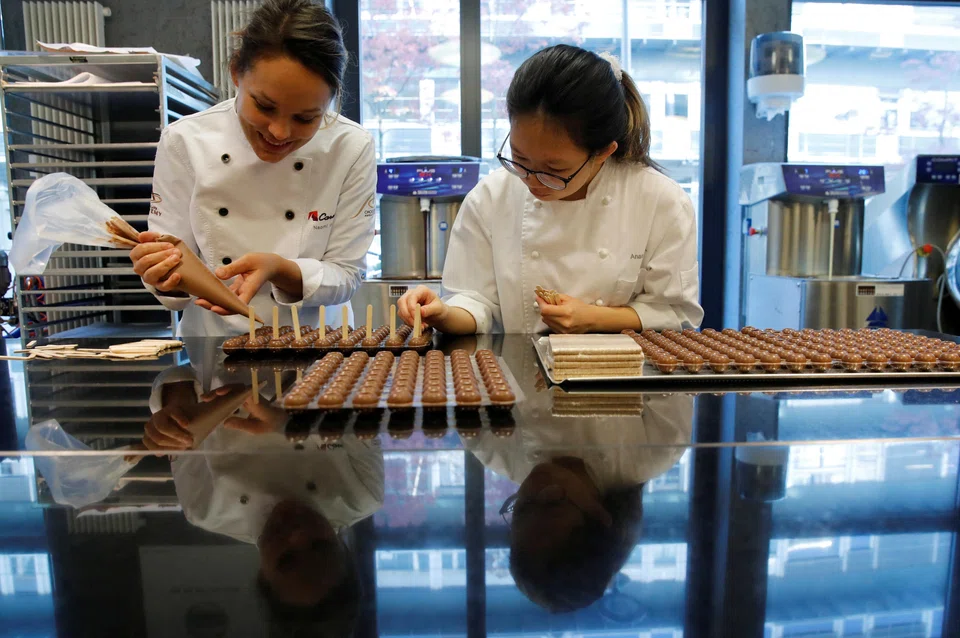
[KUALA LUMPUR/NEW YORK] A recovery in cocoa demand is proving choppy, as European grindings slump to the lowest first-quarter levels since 2009.
The data on grindings, the amount of beans processed into butter and powder for chocolate products, is seen as an indicator of demand, and the decline comes even as cheaper beans are starting to make their way through the supply chain.
Processing in Europe, the world’s top consumer, plummeted 7.8 per cent in the first quarter of 2026, compared with the same period a year ago, according to data released by the European Cocoa Association on Thursday (Apr 16). The drop was more than the 6 per cent decline estimated in a Bloomberg poll.
The “year-on-year decline in European cocoa grindings confirms that demand destruction remains firmly in play,” said Priyanka Sachdeva, senior market analyst at Phillip Nova. “The magnitude of the drop reinforces the pressure that record cocoa prices have placed on manufacturers over the past year.”
The most-active New York cocoa contract has slumped more than 70 per cent from a record high in 2024, as that rally slashed demand and prompted foodmakers to reformulate products with less cocoa. Improved harvests also fuelled prospects of a larger-than-expected surplus. The most-active contracts in both New York and London fell more than 3 per cent intraday on Thursday.
Meanwhile, Swiss chocolate maker Barry Callebaut said that profit will fall this year, reversing an earlier outlook for earnings to improve. The Zurich-based company, which has long struggled with how to deal with volatile cocoa prices, said the new guidance was due to the “unique speed of the market decrease combined with a competitive overcapacity market, volume declines and supply disruption”.
The processor is among those in the industry that have adjusted to the new market reality by expanding to more cocoa butter alternatives. Barry Callebaut recently opened new innovation centre in Singapore, focused in part on vegetable-fat based cocoa coatings. Food technology company Celleste Bio said on Wednesday that Mondelez International Inc. had for the first time used its cell cultured cocoa butter to produce a batch of milk chocolate bars. The butter is expected to be market ready by 2027.
Despite the weakness in Europe, processing in Asia saw a 5.2 per cent jump in the first quarter, according to data from the Cocoa Association of Asia, defying Bloomberg survey projections of a slump of about 7 per cent.
Still, some in the market are sceptical that the rebound is due to a solid demand recovery. Asian processors likely needed to grind more beans to rebuild “run down” coverage of cocoa butter and powder, said Judy Ganes, president at J Ganes Consulting. The bump could also be as beans typically ground elsewhere ended up in Asia instead.

Data on North American grind is set to be released after the market settles on Thursday. BLOOMBERG
Decoding Asia newsletter: your guide to navigating Asia in a new global order. Sign up here to get Decoding Asia newsletter. Delivered to your inbox. Free.
Share with us your feedback on BT's products and services
TRENDING NOW

Britain’s mansion tax shows the difficulty of targeting wealth

Once staunchly pro-China, Malaysian Chinese businesses are now distancing themselves from Beijing

The only common thing in S-E Asia is that we all eat rice: Cisco’s Asean president

Singapore data centre operator DayOne opts for US IPO at likely US$20 billion valuation

