

Coronavirus crisis upends global commodity trade flows
 Add BT as a preferred source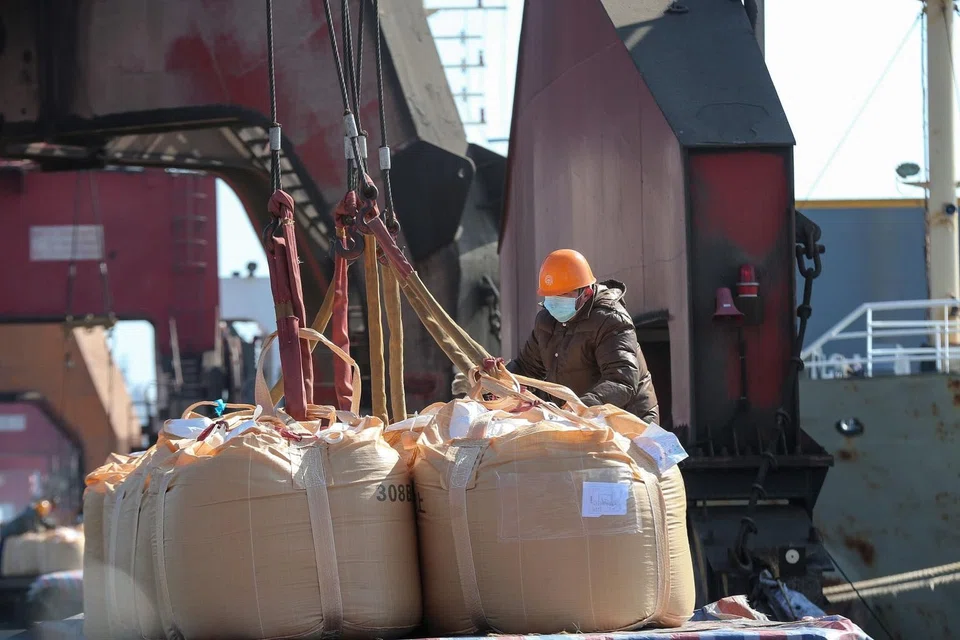
[NEW YORK] Global commodities trade is being thrown into chaos by China's coronavirus crisis, as the top user of raw materials receives the worst demand shock since the 2008 financial crisis.
The flow of almost every major commodity is at risk: China's oil demand has plunged 20 per cent and refineries are curbing operations, liquefied-natural-gas buyers are reneging on deals, coal mines are staying shut, copper smelters are mulling output cuts, and crop shipments are stuck at ports.
There's already evidence of havoc across the commodities world. A major Chinese refiner wants to offload West African crude cargoes it no longer needs, while demand for Latin American oil has stalled. Australia will quarantine ships and Indonesia plans to stop food imports. Miners Anglo American Plc and Rio Tinto Group have restricted travel, and OPEC is considering an emergency meeting.
The outbreak has dragged down raw material prices as well, with US West Texas Intermediate crude on Monday dropping below US$50 a barrel for the first time in more than a year. Industrial metals and agricultural commodities also declined.
"This could impact the entire global supply chain," said Bart Melek, head of global commodity strategy at TD Bank in Toronto. "There are limitations in air transport already. In China, logistics are challenging and there are measures being taken. For some industries that means goods produced in China may not arrive to the United States."
The disruptions show the far-reaching impact of the deadly virus, which spread over the Lunar New Year holiday and has dampened the outlook for growth in the world's second-biggest economy. While industrial activity typically slows during the break, the epidemic is delaying the resumption of operations. Additionally, gasoline and jet-fuel demand has been hurt by travel cuts.
Navigate Asia in
a new global order
Get the insights delivered to your inbox.
Russian President Vladimir Putin and Saudi King Salman bin Abdulaziz discussed the global energy market Monday as oil markets tumbled, the latest signal that the OPEC+ producer alliance is trying to build a consensus for an output cut to prop up prices. While the kingdom has been pushing for action since last week, it has met resistance from Russia.
Meanwhile, Chinese officials are said to be hoping the US will agree to some flexibility on pledges in their phase-one trade deal, as Beijing tries to contain a health crisis.
Chinese commodity prices collapsed on the first day of trading after the Lunar New Year break on Monday, as investors returned to markets gripped by fear over the impact the coronavirus. The country's three major raw-material exchanges were hit by a wave of selling as Chinese traders got their first opportunity to catch up with losses inflicted on overseas markets while they had been on holiday.
Metals, energy and agriculture futures were all hammered, with iron ore, crude, copper and palm oil contracts all sinking by their daily allowable limit within seconds of markets opening. Shares in commodity producers also tumbled as stock markets resumed trading.
Commodities have been clobbered around the world, from copper in London to palm oil in Kuala Lumpur over fears about the economic fallout from the virus. More than a dozen Chinese provinces have announced an extension of the new year holiday by more than a week in a bid to halt the spread of the virus, which has killed hundreds of people and sickened thousands.
BLOOMBERG
Share with us your feedback on BT's products and services
TRENDING NOW

Middle East-linked energy supply shocks put Asean Power Grid back in focus

‘We’re not a bubble tea brand’: Chagee aims to double Asia-Pacific footprint to 600 stores by 2027

Meet the women who run one of Singapore’s most trusted hotel brands

Family office for US$12 billion Tetra Pak Fortune exits Hong Kong

