

El Nino looms over Philippine growth
Manila
THE Philippine economy has outpaced most of its Asian neighbours in the last two years, but its large rural sector may drag on growth in the second half as it confronts what forecasters say will be one of the worst El Nino dry spells on record.
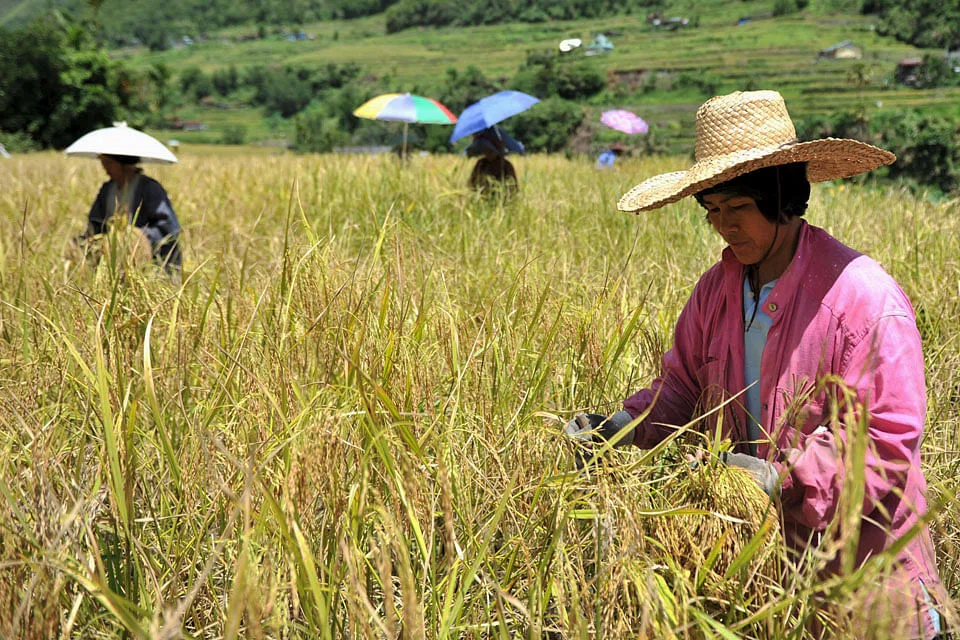
South-east Asia's fifth-largest economy is looking more vulnerable as recent months of crop losses from weak rainfall take a toll on farm output and commodity exports. Failed harvests will hit farm wages and crimp consumer spending - the main driver of GDP - and threaten to kindle inflation.
The Philippines, however, is expected to weather El Nino better than in 1998, when it last struck with as much intensity. The economy has lately proven resilient despite China's slowdown and patchy global demand, propped up by domestic consumption, public infrastructure spending and remittances.
Meteorological experts say El Nino could unleash droughts and floods across the Asia-Pacific region and beyond. At home, the Philippines' weather agency has warned it may intensify in the last quarter of this year into the first half of 2016. "The Philippine government is aware of the risks on food supply as the effects of El Nino are expected to peak in October and extend into the summer months in 2016," ANZ said in a report. It added, however, that average inflation for 2016 would still be within the central bank's 2 to 4 per cent target range.
Although sizeable damage to crops is expected, plans to import food and remittances from workers abroad should help mitigate the effects of El Nino, industry experts say. "Perhaps the damage will not be as large, as the government is better prepared now," said Rolando Dy, executive director of the centre for food agri business in the University of Asia and the Pacific, noting state sanctioned rice imports.
The El Nino droughts of 1998 wiped nearly US$5 billion from farm production and a 6.4 per cent contraction in agriculture was the main reason why gross domestic product shrank that year.
During the El Nino dry spell of 2010, damage to rice crops was estimated at US$240 million, said Ancha Srinivasan, a climate change specialist at the Asian Development Bank in Manila.
With temperatures forecast to be 2 per cent higher now, damage could reach US$700 million to US$800 million if the phenomenon lasts more than three months, he said.
A spike in food prices from the intensifying El Nino would squeeze incomes as food is the most heavily weighted component in the Philippines' consumer price index at 39 per cent.
The one bright spot is that inflation is at a new low, 0.6 per cent in August, and world prices for rice and many other agricultural commodities are also at multi-year lows. "So long as oil prices remain very low, the cost of food should not go up as fast as it did two decades ago," said Eugenia Victorino at ANZ bank.
El Nino's threat to farm output, which accounts for 11 per cent of GDP, is one reason why the government is likely to downgrade its 7-8 per cent growth target this year.
Fifty-five per cent of the population of 98 million live in rural areas. REUTERS
TRENDING NOW

Nvidia reinstates Jensen Huang as CEO; Trump says move poses no national security risk

Beyond the greenback, Vietnam’s big borrowers turn to Asian-currency bonds

Indonesia’s coal tycoon Low Tuck Kwong replaced as Bayan Resources president-director

Six workers file employment claims against Crystal Jade Food Manufacturing

