‘Energy nationalism’ in Asean: Businesses face risks, but can’t ignore the opportunities
Geopolitical considerations have long gone hand in hand with regional integration efforts

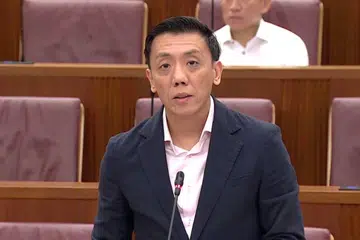
[SINGAPORE] Singapore’s annual energy forum kicked off on Oct 26 with a note of caution – countries may prioritise their domestic energy needs in a fuel crunch, and “this trend of resource nationalism is particularly concerning”, said Tan See Leng, the Republic’s minister for energy, trade and industry (energy and industry).
He also warned that business risks could go up, and investments in the energy sector might suffer, if contractual agreements are undermined.
The scenario that Dr Tan outlined at the Singapore International Energy Week (SIEW) was not theoretical. His comments came after Indonesia’s decision, just two days prior, to cut gas exports to the city-state.
This ongoing episode is a stark reminder that energy in South-east Asia can involve complex political calculus. Despite the business risks from such disruptions, however, stakeholders would be remiss to overlook existing opportunities in the regional energy sector.
Energy as geopolitical lever
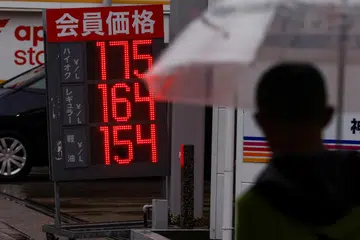
Indonesia’s gas curbs have raised “a broader question about how energy trade could increasingly be used as a lever in geopolitics”, Prateek Pandey, head of Asia-Pacific oil and gas analysis at Rystad Energy, told The Business Times.
Notably, the Strait of Malacca, which runs between Indonesia, Malaysia and Singapore, is a major shipping corridor that could become a chokepoint for the global oil trade if passage is blocked.
Since the start of the year, the world has learnt how severely supply chains can be affected by the forced closure of the Strait of Hormuz and disruptions in the Bab el-Mandeb Strait in the Middle East, where the US and Israel are engaged in conflict with Iran and its proxies.
Should regional tensions extend to energy supply routes in South-east Asia, “the impact could be far greater than the gas reductions we’re seeing today”, Pandey said.
Beyond the concerns raised by Pandey, there is also the question of how the need to prioritise domestic energy security – the reason cited by Indonesian Energy and Mineral Resources Minister Bahlil Lahadalia for the gas export cuts – could affect other projects, such as plans to export clean energy from Indonesia to Singapore.
Opportunities remain
In the meantime, businesses and investors can still tap the opportunities that come with Asean’s booming energy demand and regional power integration ambitions.
Resource nationalism and efforts towards energy interconnectivity have actually “long coexisted in South-east Asia”, said Mirza Huda, senior research fellow under the climate and sustainability programme at thinktank ODI Global. “In fact, the region has made considerable progress in energy cooperation over the past four years, even as resource nationalism has persisted.”
For instance, Malaysia curbed green electricity exports to Singapore in 2021 to boost its domestic clean energy sector, but lifted the restriction two years later.
“Resource nationalism can certainly complicate regional electricity trade, particularly when countries have different economic and political priorities. However, it does not necessarily prevent progress,” Mirza told BT.
Advancing energy diversity
Indeed, significant progress was made in Asean energy cooperation during SIEW.
For instance, Singapore awarded a conditional approval to the Vietnam-Malaysia-Singapore (VMS) renewable electricity initiative, which seeks to import up to 1.3 gigawatts of clean power into Singapore from the other two countries, starting from 2035.
The project will tap Vietnam’s offshore wind resources, as well as solar and battery energy storage infrastructure in Malaysia.
It could be another breakthrough in multilateral clean power trade.
Singapore began importing hydropower from Laos via Thailand and Malaysia after the launch of the Laos-Thailand-Malaysia-Singapore power integration project in 2022, and could eventually receive even more clean energy from Laos under a proposed new agreement between local genco Tuas Power and Laotian counterparts.
Efforts such as the VMS project “demonstrate that cross-border energy cooperation is continuing to move forward” and that the Asean Power Grid (APG) remains a key priority for the region, said Joshua Ngu, Asia-Pacific vice-chairman at research outfit Wood Mackenzie.
Asean’s growing exploration of nuclear energy presents another frontier for partnerships, with Singapore and the Philippines striking an agreement at SIEW to explore collaboration in terms of nuclear energy capability building.
As executives at the Asean Centre for Energy and GE Vernova told BT in separate interviews on the sidelines of the event, nuclear energy – while far from ready for deployment in the region – could eventually contribute to the APG as well.
Innovation as antidote
Said Ngu: “The greatest risk to the region’s energy security is not any single supply disruption, but a breakdown in regional collaboration.”
Still, Frank Phuan, CEO of clean energy solutions company Equator Renewables Asia, believes that the need for secure and affordable energy is at the root of resource nationalism.
A “little speed bump along the road” will not undermine the ties that Asean has built over the years, he said, adding that the solution lies in the availability of price-competitive clean power.
Equator is among the six groups of companies granted conditional licences by Singapore to import clean energy – primarily solar power – from Indonesia to Singapore.
The company is still working with the Indonesian authorities on securing approvals for the Wilus – or electricity business area permit – and its export licence, and will make its final investment decision on the export project once those are secured.
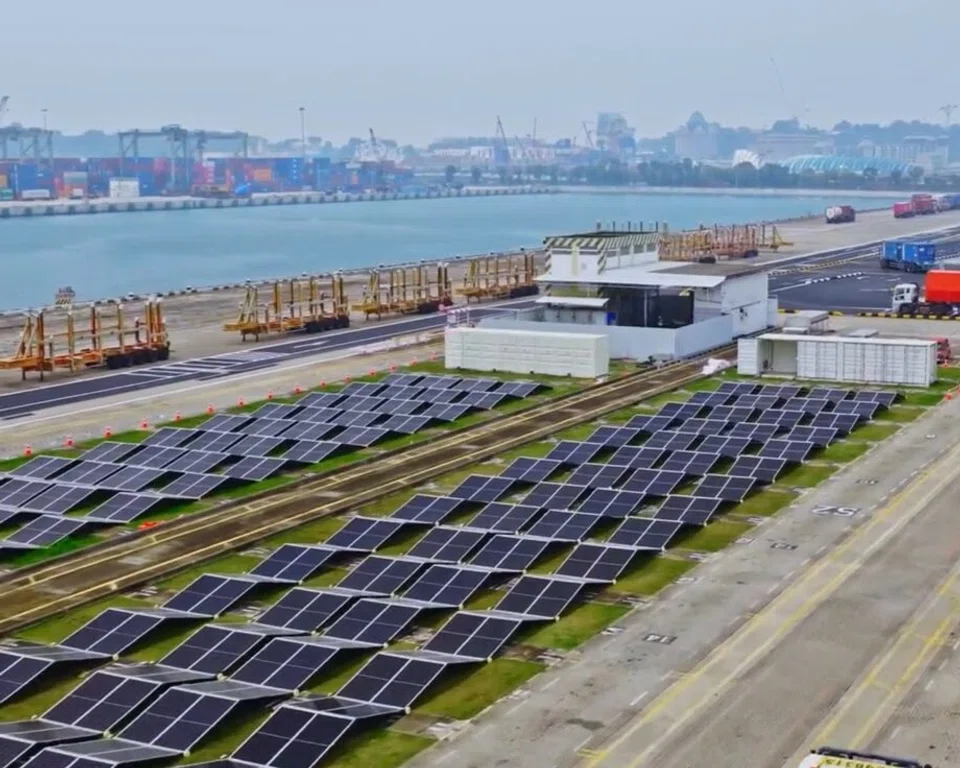
But in the meantime, it has launched a new solar power solution that factory-assembles solar panels into a container that can be unfolded to provide off-grid power.
Since such innovations could enable the cost-competitive roll-out of clean power in South-east Asia, Phuan believes that concerns over energy security and access “can be resolved with renewables that are deployed fast, deployed cheap, right in the region”.
Therefore, transitioning to clean energy is no longer just a matter of climate action, but also increasingly about enlarging Asean’s energy pie and perhaps reducing the need to turn to resource nationalism.