Fertiliser prices to stay high amid supply holdups from Russia-Ukraine war: analysts

FERTILISER prices are expected to stay high as supplies remain disrupted amid geopolitical conflicts in areas that are the major producers of fertiliser components.
A prolonged war in Ukraine may also limit food production and drive up prices of food, in a world where food prices have already been facing pressure from pandemic-related supply-chain problems and demand shifts, analysts have said.
In a report on Tuesday (Mar 15), Maybank analyst Ong Chee Ting noted that prices of the 3 major fertilisers - nitrogen (also known as urea or ammonia), phosphate and potash - have recently rallied, largely due to supply-side disruptions.
Russia - the world's largest urea exporter and the second largest exporter of muriate of potash - has suspended the export of its fertilisers through the end of 2022. China, which exports 12 per cent of global urea trade and 35 per cent of global phosphate trade, has restricted nitrogen and phosphate exports through May.
Amid the Russia-Ukraine war, the world's largest ammonia pipeline between Russia and Ukraine is also currently offline due to the conflict, curtailing another 15 per cent of ammonia supply.
Ong expects prices will continue to rise as inventory levels remain low, and fertiliser prices are still below their highs in 2008 and 2009.
The current supply constraint is unlikely to be fixed in 1 to 2 years, and adding new fertiliser capacity will take time and is costly, he said.
The analyst expects nitrogen supply will remain short as European fertiliser plants continue to stay shut through the first half of this year. Some of these facilities had already shut in the second half of last year, amid labour shortages during the pandemic and high European natural gas prices.
Potash supply had been hit by the US and EU's sanctions on Belarus, which accounts for 17 per cent of global potash trade. While Canada may be able to provide some capacity, this "merely mitigates the situation" as Belarus and Russia account for a third of the global potash capacity, and are also the lower-cost producers in the world, Ong noted.
For OCBC Treasury Research economist Wellian Wiranto, supply shortage also poses a problem for countries with significant agricultural production in Asia, as they import a lot of potassium fertilisers from Russia and Belarus. For example, the 2 exporters account for more than 40 per cent of fertiliser imports for Vietnam and Indonesia.
Without a sufficient supply of potash, crops produce smaller yields, utilise water less efficiently and are more susceptible to pests and diseases, which may drive up food-security risks in the region, Wiranto said in a report early this week.
The conflict is also hitting direct food imports, with countries such as Indonesia importing around a quarter of its wheat needs from Ukraine.
Although he noted that agriculture has taken a backseat relative to other industries in many countries, the sector provides jobs for many, and an underperforming agriculture sector may pose more socio-political risks.
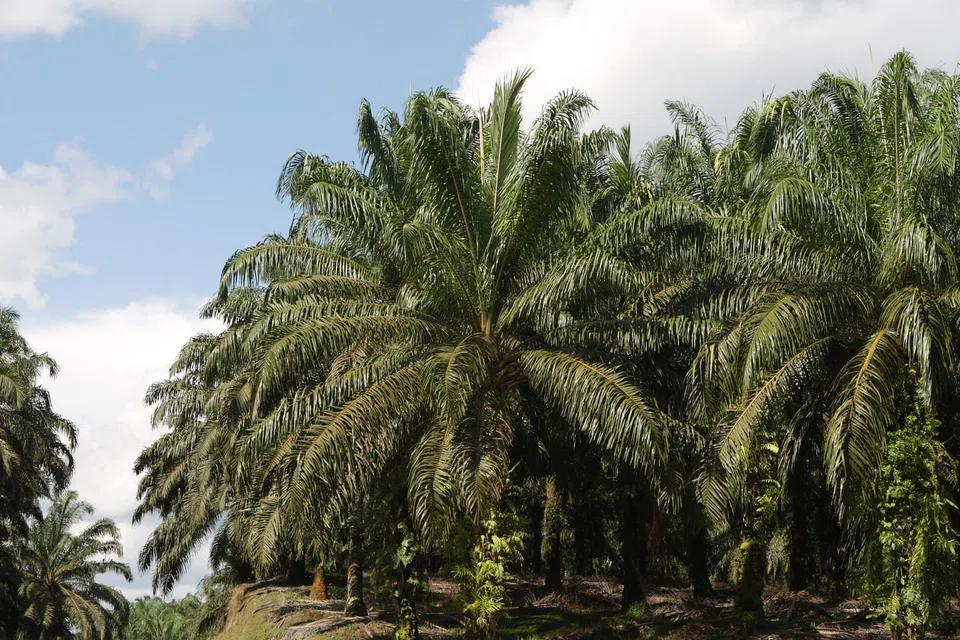
As for palm oil growers, Maybank's Ong noted that there were already challenges in securing fertilisers due to disrupted supply in the second half of 2021. However, growers can likely absorb these cost pressures due to presently-high crude palm oil and palm kernel prices.
All in all, Maybank's Ong said there is "limited relief in sight for farmers" in 2022, as there are basically no alternative fertilisers, unless farmers use less fertilisers at the possible expense of crop yield, or if they change cropping choices.
For instance, US farmers may switch from corn to soybean as the latter uses less fertiliser, he said.
READ MORE: