

G-20 nations spend US$88b a year on fossil-fuel exploration
This despite their agreeing in 2009 to phase out inefficient fossil-fuel subsidies that encourage wasteful consumption
London
THE G-20 group of major economies spend US$88 billion a year on fossil-fuel exploration, five years after pledging to phase out industry subsidies, a study showed.
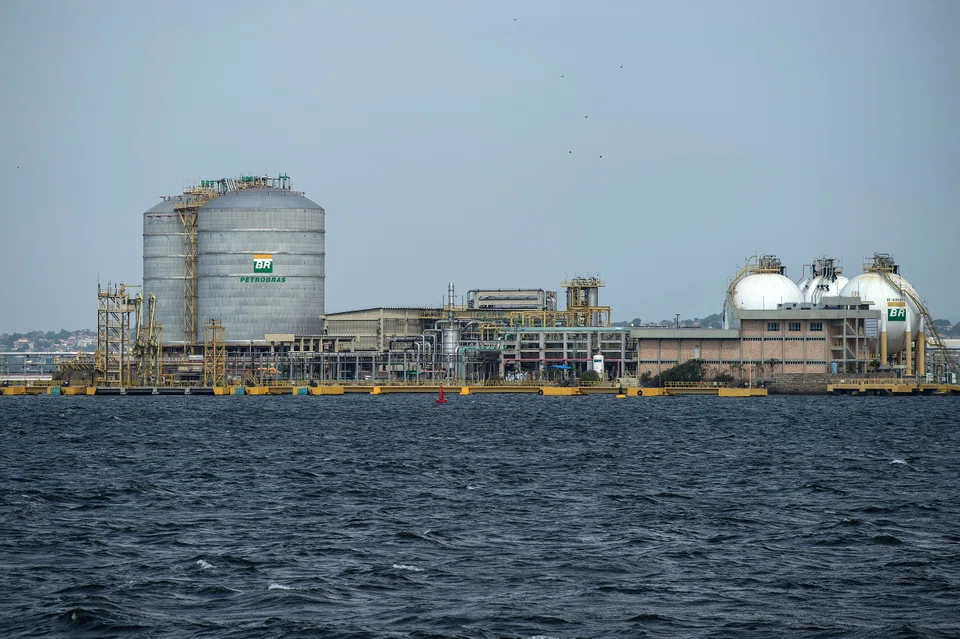
Spending of US$17 billion and US$11.3 billion by state-backed oil companies Saudi Arabian Oil Co and Petroleo Brasileiro SA are the biggest components in the funding compiled by the Overseas Development Institute and Oil Change International. The total also includes subsidies and tax breaks from governments, and public financing through development banks.
The expenditure is adding to carbon emissions at a time when those same governments are trying to devise a new global agreement to limit global warming to 2 deg C since industrialisation. United Nations scientists last week said the world can only burn a limited amount of fuel before it becomes unlikely that the target is met.
"Not only are companies continuing to look for fossil fuels and trying to find new reserves, but governments are putting more money and support towards exploration than companies - which is basically governments fuelling dangerous climate change," Shelagh Whitley, a research fellow at the ODI, said in an interview.
G-20 nations in 2009 agreed to phase out "inefficient fossil-fuel subsidies that encourage wasteful consumption", without defining their criteria. Ministers from those countries and another 170 will gather in Lima, Peru, next month to draft early texts of an agreement to fight climate change that they aim to complete at the end of 2015 in Paris.
In terms of direct state subsidies and tax breaks, the US led with about US$5.1 billion a year, according to the report. Australia provided at least US$2.9 billion and Russia US$2.4 billion, the researchers said. Japan had the highest total in the public-finance category, with US$5.3 billion.
"The G-20 countries are continuing to fund fossil fuel exploration, which is particularly dangerous in the context of unburnable carbon," Ms Whitley said. "All of these instruments that they're using to support looking for new fossil fuels are the same instruments they could use to support renewable energy. We're calling for them to make that shift."
The researchers relied on broad definitions of a subsidy, using methods utilised by the World Trade Organization and the Organization for Economic Cooperation and Development, she said.
The ODI in London is a non-profit research group studying international development and humanitarian affairs. Oil Change International is a Washington-based non-profit researching fossil-fuel costs and campaigning for a move to clean energy. BLOOMBERG
TRENDING NOW

One-third of Singapore-listed firms at risk in severe AI downturn: MAS

‘We don’t want to stay as we are’: CEO Patrick Ng builds a more resilient Huationg

He built the Vingroup empire. Now South-east Asia’s richest man is handing some key roles to his sons

Radiant World table shows six lenders with US$870 million exposure

