Glencore and Rio Tinto in talks to form world’s biggest miner
Both companies own some of the best copper mines in the world
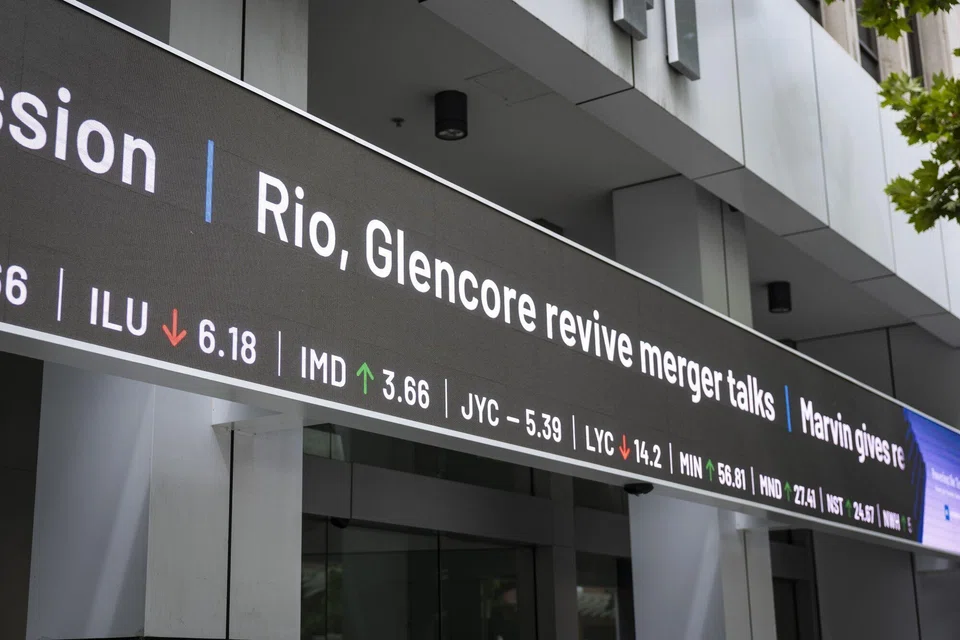
[NEW YORK] Rio Tinto Group is in talks to buy Glencore to create the world’s biggest mining company with a combined market value of more than US$200 billion, a little over a year after earlier talks between the two collapsed.
The companies have been discussing a potential combination of some or all of their businesses including an all-share takeover, they said in separate statements on Thursday (Jan 8). Glencore’s American depositary receipts rose 8.8 per cent in New York. Rio shares fell as much as 6.6 per cent in Sydney trading, in what some analysts described as a reaction to the limited detail available.
A tie-up between the two companies would represent the largest-ever deal in an industry that has been gripped by takeover fever as the biggest producers seek to bulk up on copper – a crucial metal for the energy transition that is trading near record highs. Glencore and Rio both own large copper assets, and the potential deal would create a new mining behemoth to rival BHP Group, which has long held the title of the biggest miner.
However, analysts have previously raised questions about potential hurdles to a deal. Glencore is one of the world’s biggest producers of coal – a business that Rio has previously exited – while the two companies have very different cultures.
The move comes after Rio’s chief executive officer Simon Trott last month said the miner would focus on cutting costs and selling assets in a bid to turn into a slimmed-down operation centreed primarily on iron ore and copper. Trott, who ran Rio’s iron ore division before taking the helm in August, aims to sharpen an organisation that critics argue became bloated in recent years.
“This is Simon’s first test as CEO and I would expect his disciplined approach to be carried through to M&A,” said John Ayoub, a portfolio manager at Rio shareholder Wilson Asset Management. “Coal is where a lack of detail is evident. You would think that coal would be one of the first divestments a merged company looks at, but we are all shooting from the hip today.”
Rio and Glencore held discussions in 2024, but the talks were abandoned after they failed to agree on valuation. Since then, Rio replaced its CEO, while Glencore made an effort to publicly outline its copper growth prospects. In private conversations, Glencore CEO Gary Nagle has described a Rio-Glencore tie-up as the most obvious deal in the industry. Still, the gap between the two companies’ valuations had widened since the prior discussions.
The talks come at a time when copper has never been hotter. The metal soared to record highs above US$13,000 a tonne earlier this week, driven by a slew of mine outages and moves to stockpile the metal in the US ahead of possible Trump administration tariffs. That has played into an already existing focus among mining executives and investors that future supplies of the metal are going to be tight as a dearth of new mines fails to meet the expected demand from artificial intelligence and surging defence spending.
For Rio, a deal with Glencore would significantly expand its copper production and give the company a stake in the Collahuasi mine in Chile, one of the world’s richest deposits, and one that it has long coveted. While Rio already owns large copper assets, it and larger rival BHP both still get a substantial share of their earnings from iron ore, a market that faces an uncertain demand future as China’s decades-long construction boom is drawing to an end.



“It makes a lot of sense,” said Ben Cleary, portfolio manager at Tribeca Investment Partners. “It’s the one big deliverable mining deal out there.”
The fresh talks come amid a wider wave of dealmaking in the sector, most recently with Anglo American’s agreement to buy Teck Resources, after Anglo successfully fended off a takeover attempt from BHP. Rio chairman Dominic Barton has signalled that the miner has moved on from a series of disastrous deals in its past, saying the company will be more open-minded when it comes to making acquisitions.
Glencore itself has been one of the most aggressive acquirers in the industry in the past, including an audacious proposal to combine with Rio in 2014 that was led by former CEO Ivan Glasenberg, who still owns about 10 per cent of the company.
More recently, Glencore has come under growing pressure from investors as its stock underperformed last year, pressured by weak coal prices and as it faced questions about its strategy. The company has made its copper mines central to its business and CEO Nagle last month laid out plans to almost double production of copper over the next decade.
While Glencore’s copper assets are likely to be the primary attraction, the company is also the world’s biggest coal shipper. It also mines metals such as nickel and zinc as well as having a giant trading business.
It is unclear if Rio would want to buy all of those assets and businesses. Glencore had previously proposed separating its sprawling coal unit, before shareholders told the company they wanted to keep them.
Under UK takeover rules, Rio has until Feb five to confirm it will make an offer or walk away for six months.
The Financial Times first reported the talks. BLOOMBERG
Decoding Asia newsletter: your guide to navigating Asia in a new global order. Sign up here to get Decoding Asia newsletter. Delivered to your inbox. Free.
Share with us your feedback on BT's products and services