

Gold declines as Middle East risks reinforce higher rates bets
Bullion has slumped about 16% since the Iran conflict erupted in late February
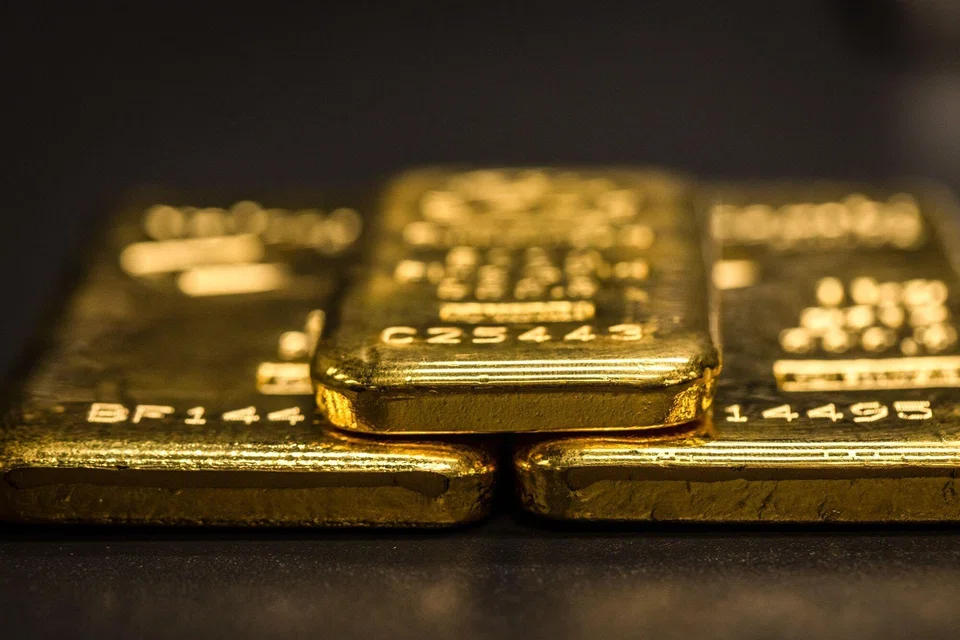
[NEW YORK] Gold fell for a second day as concerns that continued conflict in the Middle East will prolong inflation and keep borrowing costs elevated outweighed prospects of a US-Iran peace deal.
Bullion traded below US$4,500 an ounce after sliding 1.4 per cent on Tuesday (May 26). US President Donald Trump said that he was “not satisfied” in negotiations with Iran, dampening expectations for an imminent breakthrough.
For gold traders, hopes for a ceasefire are not enough to ease concerns that high oil prices will keep inflation elevated and force central banks to hold rates higher for longer, rather than deliver cuts many expected before the Iran war. Bullion typically performs badly in a higher-rate environment as it pays no interest.
“The inflation relief is not really coming imminently even if a deal happens today,” said Ryan McKay, senior commodity strategist at TD Securities. “So I think the less gold positive macro environment remains.”
Bullion has slumped about 16 per cent since the Iran conflict erupted in late February. The virtual closure of Hormuz sent an inflationary shock through the global economy, making central bank policymakers wary of easing borrowing costs.
Spot gold fell 1.1 per cent to US$4,457.01 an ounce as at 4.22 pm in New York. Silver dropped 2.9 per cent to US$74.70 an ounce. Platinum and palladium both declined. The Bloomberg Dollar Spot Index, a gauge of the US currency, was little changed. BLOOMBERG
Decoding Asia newsletter: your guide to navigating Asia in a new global order. Sign up here to get Decoding Asia newsletter. Delivered to your inbox. Free.
Share with us your feedback on BT's products and services
TRENDING NOW

Cracks emerge in AI borrowing boom as CoreWeave, Oracle and SoftBank debt worries grow

Could stablecoins be the future of money?

‘How many will survive?’: Bubble fears arise as China’s humanoid robotics face reality check

Philippine power giant First Gen rebuffs foreign offers, plans up to US$2.6 billion in expansion

