Gold rebounds as US-Iran war concerns revive safe haven appeal
Bullion is set for a second monthly decline in April, as the conflict in the Middle East sends energy prices soaring
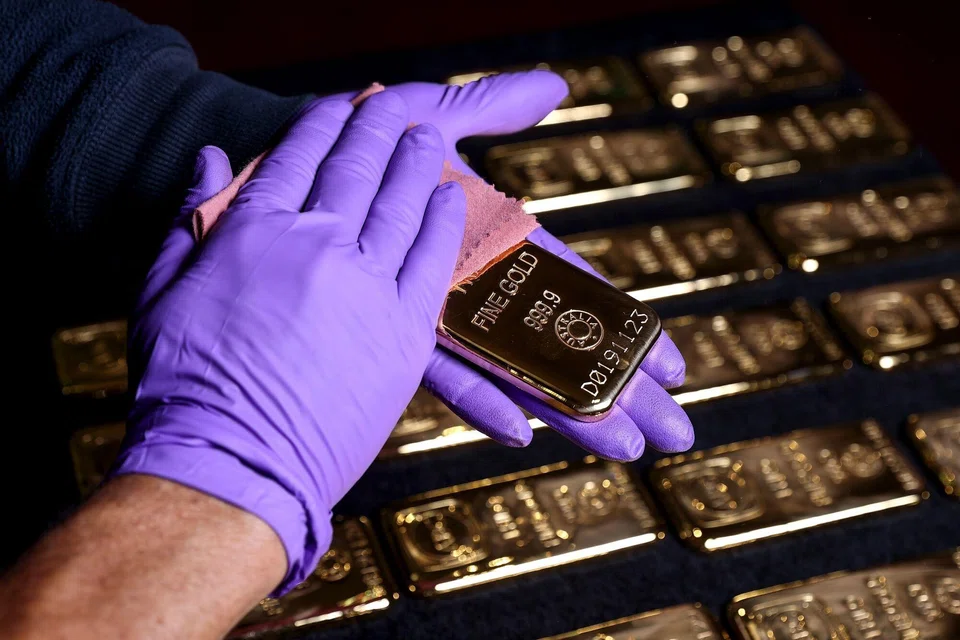
[SINGAPORE] Gold bounced back from a three-day decline, as traders weighed an Axios report that US President Donald Trump is set to receive a briefing on new military options for action in Iran.
Bullion rose as much as 1.8 per cent to trade above US$4,600, after falling 3.4 per cent over the previous three sessions. The precious metal has traded in the opposite direction to oil throughout most of the US-Iran war, but rallied alongside crude on Thursday (Apr 30) on the prospect of a fresh military escalation in the Middle East. Oil prices hit a four year high at US$126 a barrel.
The head of US Central Command Admiral Brad Cooper will brief Trump on Thursday, signalling a resumption of combat operations are seriously under consideration, Axios said, citing two unnamed people.
Gold has fallen about 13 per cent since the war began in late February, as traders bet that central banks will need to keep borrowing costs higher to curb the inflationary impact of higher energy prices. That’s a headwind for gold, which does not yield interest.
“For now, gold remains caught between two powerful forces: rising oil, higher yields and a stronger US dollar on one side, and rising geopolitical and systemic risk on the other,” said Ole Hansen, head of commodities strategy at Saxo Bank. “At this stage, the latter is once again gaining the upper hand.”
The Federal Reserve kept rates unchanged as expected on Wednesday, although it was accompanied by hawkish dissent from several policymakers, who objected to language in the post-meeting statement that suggested the US central bank would eventually resume lowering rates.
Treasuries slumped on Wednesday, with two-year yields rising the most on a Fed decision day since 2022, as traders boosted bets the central bank may need to raise borrowing costs amid persistent inflation pressures.
The 8-4 Fed vote – which marked the first time since 1992 that four officials dissented against a Federal Open Market Committee decision – revealed a deepening division over the outlook for policy due to the increased uncertainty caused by the war, which is now into its third month.
Bullion is set for a second monthly decline in April, as the conflict in the Middle East sends energy prices soaring. The slump had deepened in recent days as progress on US-Iran peace talks stalled and energy shipments via the Strait of Hormuz remain practically at zero.
Yet, most analysts are still bullish on the precious metal, with the latest data by the producer-funded World Gold Council showing that central banks added gold holdings at the fastest pace in more than a year in the first quarter, as a slump in prices encouraged a wave of buying that more than offset sales by a handful of institutions.
“The shift in environment for gold argues for caution in gold prices, unless oil prices ease lower,” said Christopher Wong, a strategist at OCBC. “That said, the medium-term structural case remains supported by central bank demand, reserve diversification flows.”
Spot gold rose 1.5 per cent higher to US$4,616.42 an ounce at 9:58 am in London. Silver gained 2.9 per cent to US$73.33 an ounce. Palladium and platinum also advanced.
The Bloomberg US dollar Spot Index, a gauge of the US currency, edged 0.1 per cent lower after ending the previous session up 0.4 per cent. BLOOMBERG
Decoding Asia newsletter: your guide to navigating Asia in a new global order. Sign up here to get Decoding Asia newsletter. Delivered to your inbox. Free.
Share with us your feedback on BT's products and services