

Gold rises on softer US dollar, oil as markets weigh US-Iran peace optimism
Easing of the US dollar made greenback-priced bullion more affordable for holders of other currencies
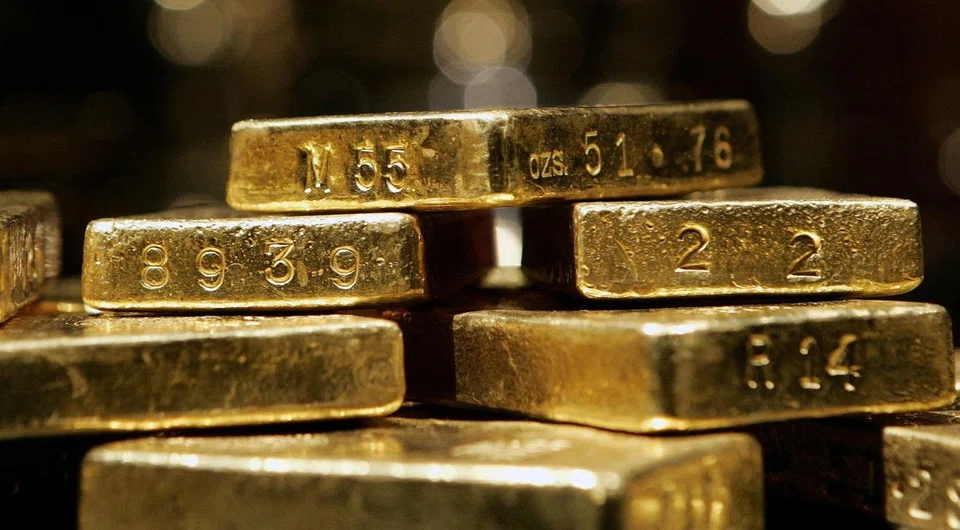
GOLD prices gained on Thursday (Jun 4), supported by lower crude oil prices and a weaker US dollar, as investors assessed renewed expectations for a resolution to the US-Israeli war with Iran.
Spot gold was up 0.8 per cent at US$4,468.84 per ounce, as of 0559 GMT. US gold futures for August delivery gained 0.7 per cent to US$4,495.70.
The US dollar eased, making greenback-priced bullion more affordable for holders of other currencies.
“Gold’s gains are still very much at the mercy of oil and the dollar. It only moves higher when they pull back, making it highly dependent on positive US-Iran headlines for any sustained momentum,” said Tim Waterer, chief market analyst at KCM Trade.
Israel and Lebanon agreed to implement a ceasefire to end hostilities, the Trump administration said on Wednesday, boosting hopes for a broader deal to end the Iran conflict.
The Republican-led US House of Representatives approved a resolution to block US President Donald Trump from continuing the war against Iran, reflecting growing concern among members of his party about the three-month-old conflict.
Oil prices eased on Thursday, as the ceasefire between Lebanon and Israel boosted hopes of a US-Iran peace deal.
Elevated oil prices can accelerate inflation and keep interest rates higher for longer. While gold is seen as a hedge against inflation, higher rates tend to weigh on the non-yielding metal.
New York Federal Reserve President John Williams noted that he does not expect upside risks to inflation caused by the war in the Middle East to be long-lasting and reiterated there was no need at this time to change US monetary policy.
“I don’t think we’ve seen the end of the bull run, but it is clearly time for a shakeout in general. So I anticipate choppy trade as we head into the year-end, with a slight upwards bias of around US$5,000,” said Matt Simpson, a senior analyst at StoneX.
Spot silver rose 0.6 per cent to US$73.13 per ounce, platinum gained 0.9 per cent to US$1,875.70, and palladium added 0.3 per cent to US$1,306. REUTERS
Decoding Asia newsletter: your guide to navigating Asia in a new global order. Sign up here to get Decoding Asia newsletter. Delivered to your inbox. Free.
Share with us your feedback on BT's products and services
TRENDING NOW

DBS, OCBC, UOB rout lops billions off STI as inflation, rate concerns spook investors

Grab CEO’s wife Chloe Tong on life with Anthony Tan and finding her purpose

OCBC sheds S$8 billion in value as shares close nearly 6% down; analysts cautious on banks

Deal between tycoon friends sparks scrutiny of Philippine power sector

