Gold pares gains after Iran says ceasefire deal with US violated
Since the war in the Middle East began, bullion has traded largely in tandem with stocks
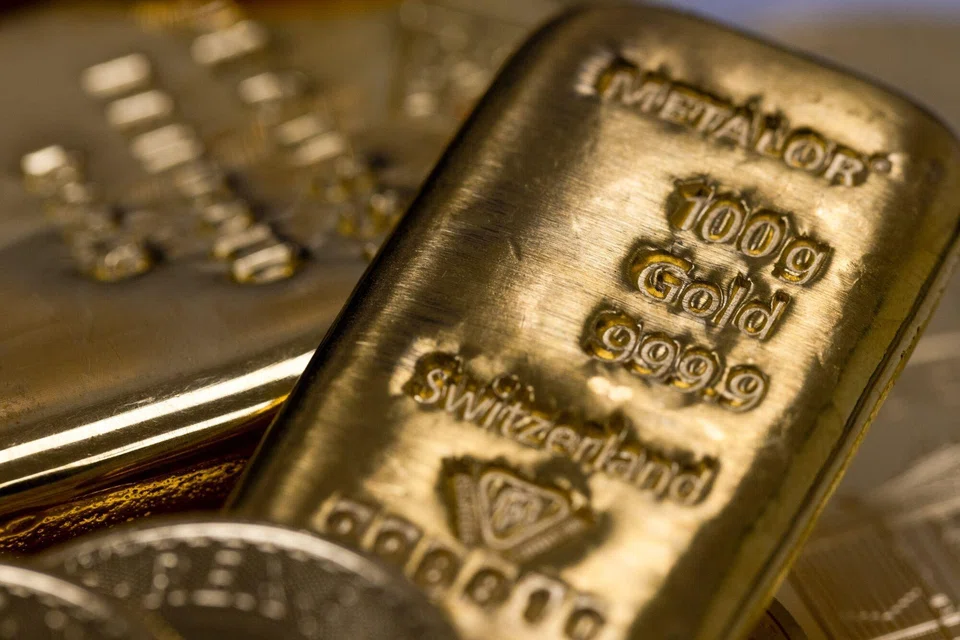
[SINGAPORE] Gold pared gains as the Iranian parliament speaker said a temporary ceasefire agreement with the US has been violated.
Bullion rose 0.4 per cent after earlier gaining as much as 3.2 per cent to above US$4,800 an ounce.
Mohammad-Bagher Ghalibaf said that three clauses of the ceasefire proposal have been violated so far. Treasury yields erased losses while the US dollar trimmed losses, weighing on gold as it does not pay interest and is priced in the greenback.
A “bilateral ceasefire or negotiations is unreasonable”, Ghalibaf said. The “workable basis on which to negotiate” has been openly and clearly violated, even before the negotiations began, he said.
Earlier, gold climbed along with global equities markets amid a sharp rebound in risk appetite as a two-week truce between the US and Iran eased concerns about a global economic crisis.
Oil plunged below US$100 a barrel and the US dollar also fell, supporting gold.
The decline in crude prices allayed worries about an energy crunch that could fuel inflation, reviving bets that the US Federal Reserve will cut interest rates this year. Traders now see less than a one-in-three chance that the Fed will deliver a quarter-point reduction by the end of 2026. Lower rates are typically positive for bullion as it pays no interest.
Since the war in the Middle East began, bullion has traded largely in tandem with stocks, with its traditional haven appeal dimmed by some investors’ need to cover losses elsewhere in their portfolios. For the rally to hold, traders will need confirmation that the ceasefire will last and energy flows through the Strait of Hormuz normalise.
“Gold’s push above US$4,800 reflects a recalibration of risk, rather than a full regime shift,” said Ahmad Assiri, a strategist at Pepperstone Group. “The move higher suggests markets are now pricing in a lower probability of prolonged disruption, while still retaining a meaningful discount versus the pre-Iran setup.”
Gold has fallen about 10 per cent since the war began at the end of February. A moderate recovery in recent days had been driven by hopes for a ceasefire, as well as expectations that a slowdown in global economic growth will act as a counter to bets on stable or higher borrowing costs.
“In the near term, gold remains highly sensitive to political developments,” said Assiri. “The current ceasefire provides a window of relief, but it is conditional and fragile. Any sign of breakdown, particularly around the Strait of Hormuz, would likely reintroduce volatility” and downside risk, he added.
Spot gold rose 0.4 per cent to US$4,723.39 an ounce as at 4.41 pm in New York. Silver gained 1.7 per cent, while platinum and palladium rose. The Bloomberg Dollar Spot Index, a gauge of the US currency, fell 0.8 per cent. BLOOMBERG
Decoding Asia newsletter: your guide to navigating Asia in a new global order. Sign up here to get Decoding Asia newsletter. Delivered to your inbox. Free.
Share with us your feedback on BT's products and services