

Gold prices heads for quarterly rise; spotlight on inflation data
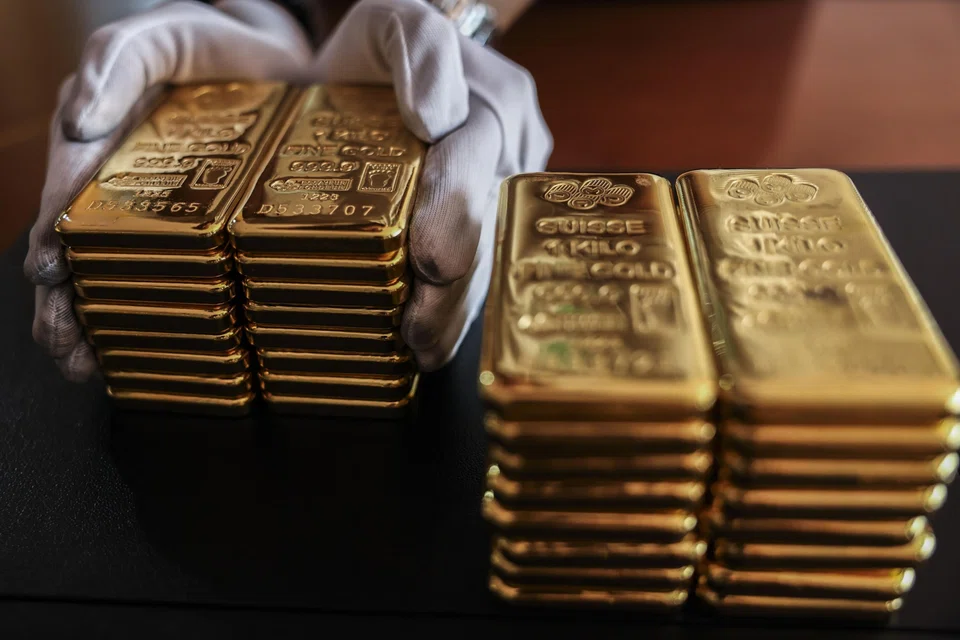
GOLD prices edged lower on Friday (Jun 28) but were headed for their third consecutive quarterly rise, while investors looked towards key US inflation data due later in the day that could throw some light on the Federal Reserve’s stance on interest rate cuts.
Spot gold was down 0.3 per cent at US$2,321.39 per ounce, as at 0157 GMT. Prices are up about 4 per cent for the quarter. Bullion remained flat for both the week and the month.
US gold futures were down 0.2 per cent at US$2,332.10.
The US dollar was up 0.2 per cent, making gold more expensive for other currency holders, while benchmark 10-year yields also edged higher for the day.
The personal consumption expenditures price index report due at 1230 GMT is on investors’ radar to get more cues on the timing and scale of possible rate cuts this year.
Ebbing economic momentum was underscored by data showing business spending on equipment declined in May, while a slump in exports pushed up the goods trade deficit.
In its third estimate of gross domestic product for the January to March quarter, the government confirmed that economic growth moderated sharply in the first quarter.
US Federal Reserve governor Michelle Bowman reiterated on Thursday that she is still not ready to support a central bank rate cut with inflation pressures still elevated.
Higher interest rates increase the opportunity cost of holding non-yielding bullion.
Spot silver fell 0.5 per cent to US$28.91 per ounce, platinum was up 0.7 per cent to US$994.42 and palladium gained 1.5 per cent to US$943.22. REUTERS
Decoding Asia newsletter: your guide to navigating Asia in a new global order. Sign up here to get Decoding Asia newsletter. Delivered to your inbox. Free.
Share with us your feedback on BT's products and services
TRENDING NOW

Beyond Nvidia: How Singapore is earning its place in the semiconductor value chain
S-Reits an ‘oasis of calm’ amid global bond yield surge: UOBKH

Deutsche Bank’s private bank seeks experienced wealth teams for deeper push into Asia

Can Bali swop beach capital for global capital without the skyscrapers?

