

Gold rebounds as traders pare bets on near-term Fed rate hikes
Gold has fallen by around a third since the US-Iran war began in late February
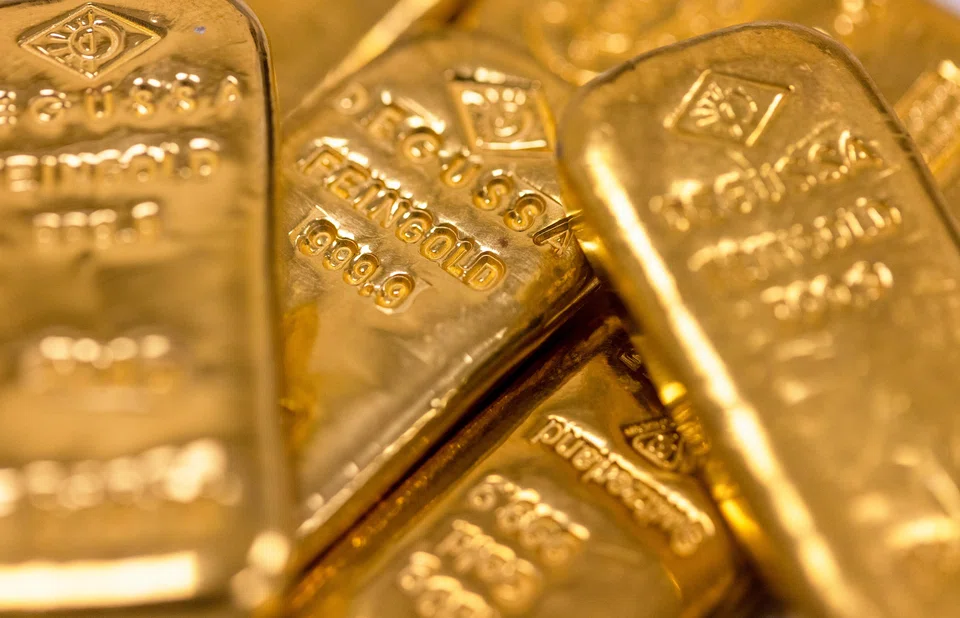
GOLD rebounded from its biggest weekly decline in eight months as traders scaled back bets on the Federal Reserve raising interest rates in the near term.
Bullion rose as much as 1.3 per cent to around US$3,582 an ounce, after falling 9 per cent last week to a 14-month low. Traders are paring expectations of monetary tightening after growing concerns about artificial intelligence spending rippled across markets, sending technology stocks plunging.
Following the rout, Treasury Secretary Scott Bessent warned the Fed risks jeopardising the US economy by overtightening in response to latest inflation data. His prior attempt to rein in elevated long-term borrowing costs sent yields lower in August, which sparked a brief rally in gold.
Swaps traders are no longer fully pricing in a Fed rate hike in December after Treasury yields fell across the curve on Friday. The policy-sensitive two-year yields ended 12 basis points lower, a positive for non-yielding bullion.
Gold has fallen by around a third since the US-Iran war erupted in late February as higher energy costs fuelled inflation, prompting central banks to raise rates. It’s traded below the US$4,000 support level since Nov 11.
Spot gold rose 1.1 per cent to US$3,578.24 an ounce at 8.26 am in Singapore, while silver was up 2.6 per cent at US$42.21 after tumbling 15 per cent the week before.



Platinum and palladium also advanced. The Bloomberg Dollar Spot Index dipped 0.1 per cent after rising 0.6 per cent last week. BLOOMBERG
Decoding Asia newsletter: your guide to navigating Asia in a new global order. Sign up here to get Decoding Asia newsletter. Delivered to your inbox. Free.
Share with us your feedback on BT's products and services
TRENDING NOW

‘Walking a tightrope’: OCBC CEO Tan Teck Long on balancing bold moves with conservative banking

Share buybacks surge as 35 companies repurchase shares

Sustainability reporting largely adopted in Asia-Pacific, but gaps remain in disclosure quality and depth

South-east Asia has lost Nvidia’s best salesman

