

Gold wavers near US$5,000 as Middle East war keeps oil prices elevated
Uncertainty over how long the war will last makes it difficult to assess the impacts on markets and the wider economy
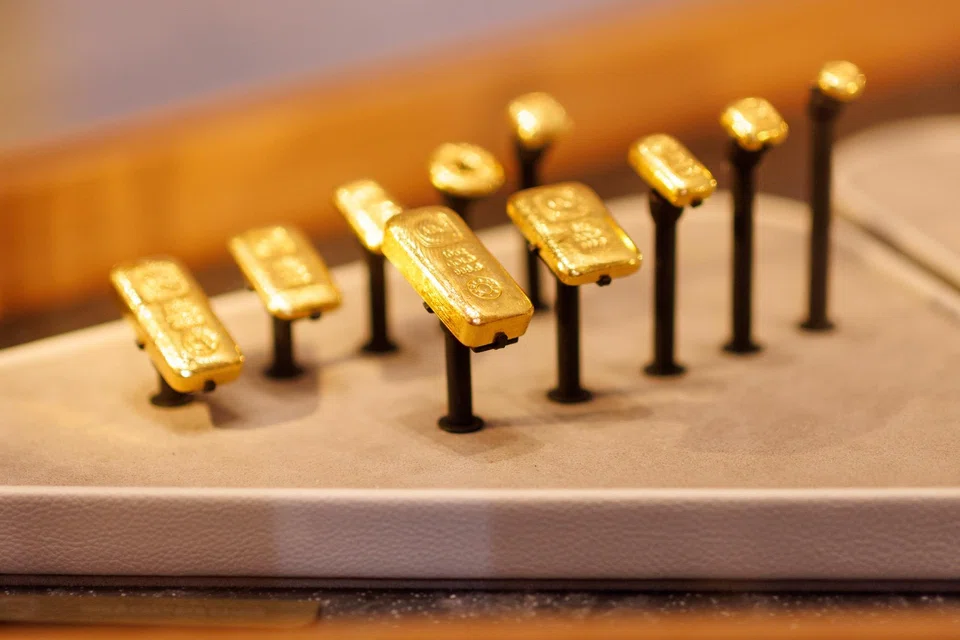
[SINGAPORE] Gold wavered, as the conflict in the Middle East entered a third week and investors weighed a softer US dollar against continued threats to global oil supplies.
Bullion traded either side of US$5,000 an ounce, falling as much as 1 per cent before paring losses. The metal steadied after dropping for a second straight week, under pressure from rising energy prices and inflationary concerns arising from the US-Israeli war with Iran. Crude erased early gains on Monday (Mar 16) and a gauge of the US dollar slipped, helping to support commodities priced in the US currency.
Uncertainty over how long the war will last makes it difficult to assess the impacts on markets and the wider economy. An aide to US President Donald Trump said that the conflict could last four to six weeks, while both sides have given mixed signals. Trump said that Iran wants to make a deal but that Washington wants better terms, while Teheran said it has not asked for talks or a ceasefire.
Over the weekend, the US attacked Iran’s main oil-export hub and Teheran continued strikes on energy infrastructure in various countries around the Persian Gulf. Traffic remained near a standstill through the Strait of Hormuz, the strategic shipping thoroughfare through which a fifth of the world’s oil and liquefied natural gas typically moves.
As the war drags on, prospects for an interest-rate cut have dwindled. The latest US consumer spending data, released on Friday, showed spending barely rose in January due to weaker-than-expected economic growth, even before the war began. Meanwhile, US consumer sentiment declined to a three-month low as fears mounted in recent weeks about the impact on petrol prices from the conflict.
Traders now see virtually no chance of a rate cut at this week’s Fed meeting. Higher borrowing costs typically weigh on precious metals, which do not pay interest.

Gold’s short-term moves are “mechanical” as the metal responds to the US dollar and rate-cut prospects, said Kyle Rodda, a Melbourne-based analyst at Capital.com. However, the war may support bullion in the long run, as the conflict “erodes trust in the US amongst adversaries and increasingly allies”, he said.
Though upward momentum has stalled since the war began, the metal has still gained around 16 per cent so far this year. Concerns over stagflation, a combination of slower growth and high inflation, may also prompt investors to turn to gold as a better store of value over the longer term. But any positive effects may be limited if central banks hike rates aggressively to tame inflation, Rodda said.
Spot gold edged up 0.1 per cent to US$5,022.02 an ounce as at 8.55 am in Singapore. Silver rose 0.8 per cent to US$81.23. Platinum and palladium both gained. The Bloomberg Dollar Spot Index slipped 0.3 per cent after adding more than 1 per cent last week. BLOOMBERG
Decoding Asia newsletter: your guide to navigating Asia in a new global order. Sign up here to get Decoding Asia newsletter. Delivered to your inbox. Free.
Share with us your feedback on BT's products and services
TRENDING NOW

Once staunchly pro-China, Malaysian Chinese businesses are now distancing themselves from Beijing

New launch or resale unit? Here’s a guide for homebuyers
The lesser-known prospects in the Asian chipmaking supply chain

Cliff Tan has 7 million followers and a 4-month waitlist. Why won’t he expand his business?

