India to invest overseas, seek long-term deals in push for fertiliser
 Add BT as a preferred source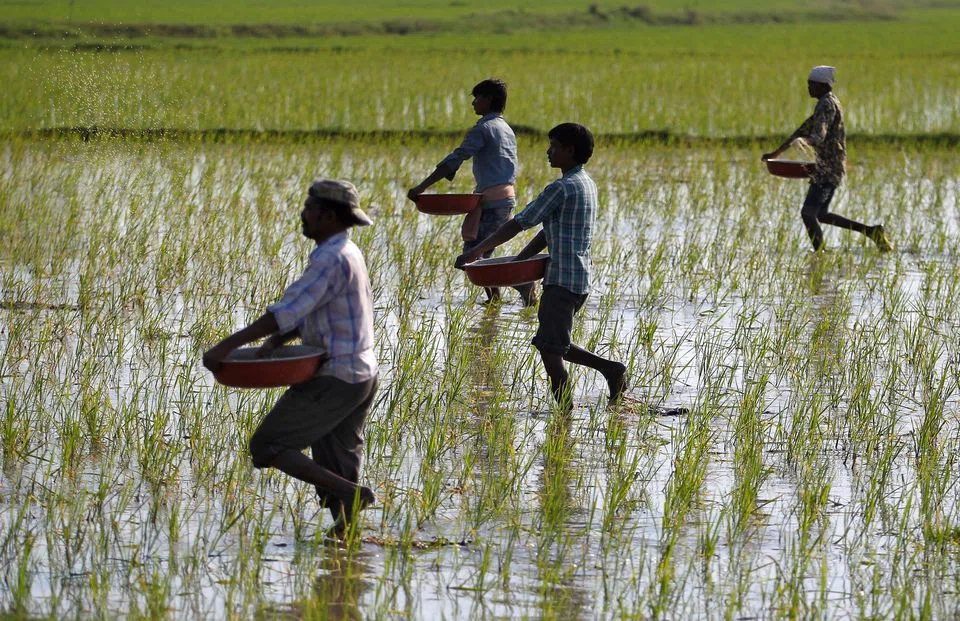
INDIA plans to secure fertiliser supplies and hedge against price rises by expanding its footprint in mineral-rich countries through investments and multi-year import deals, fertiliser minister Mansukh Mandaviya said on Wednesday (Jul 20).
The chase for supply security comes as prices of key crop nutrients such as urea, potash and Di-ammonium Phosphate (DAP) have jumped to records following sanctions on key producers such as Belarus and Russia and lower supplies from Morocco and China.
The world's second biggest producer of wheat and rice relies mostly on annual import deals and spot purchases to meet rising demand for fertilisers from its agriculture sector, which accounts for 15 per cent of an economy of more than US$3 trillion.
"We have to take our relationship with fertiliser suppliers beyond just being buyer and seller," Mandaviya told Reuters in an interview. "We want to have a strategic partnership with them through investment in their assets."
Indian firms are looking to buy stakes in phosphoric acid mines in Senegal and DAP mines in Saudi Arabia and similar assets in Africa and Canada, he added.
India imports about a third of its annual consumption of 60 million tonnes of soil nutrients.
High prices following Western sanctions in the wake of the Ukraine conflict have driven subsidy payouts to record highs, as the Indian government supplies farmers with fertiliser at rates far lower than the cost of production.
The fertiliser subsidy could rise to a record 2.5 trillion rupees (S$37 billion) in the current fiscal year to Mar 31, Mandaviya added.
"Our priority is to get fertilisers and raw materials at lower prices to secure our food security and timely availability to our farmers," he said.
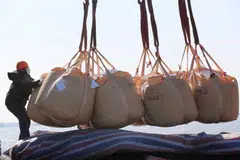

With more than half its workforce employed in agriculture, India is one of the world's leading importers of fertiliser. Any change in its purchase pattern would affect global prices.
Long-term deals were the 'best bet' to secure supplies amid geopolitical crises and ease the burden on the Indian budget, Mandaviya said, adding, "Suppliers are offering discounts of 10 per cent to 25 per cent from international prices."
He said government-to-government talks would help Indian firms in finalising long-term deals for import of fertilisers and raw material.
"We want to sign as many long-term deals as we can," Mandaviya said. "Our aim is to cut the role of mediator and traders and go for spot purchases only if they give us a price advantage."
Indian companies could sign 3-to 5-year deals to annually import 2 million tonnes of phosphatic fertilisers during a visit the minister plans next month to Saudi Arabia.
Some firms have already signed 5-year deals this year with companies in Jordan and Israel for higher volumes of fertiliser and raw materials.
India has also signed a 3-year deal with Russia's Phosagro for 500,000 tonnes of DAP and renewed one of similar duration with Oman's Omifco for a million tonnes of urea a year. REUTERS
Decoding Asia newsletter: your guide to navigating Asia in a new global order. Sign up here to get Decoding Asia newsletter. Delivered to your inbox. Free.
Share with us your feedback on BT's products and services