

Indonesia makes U-turn to replace palm oil export curbs with levy
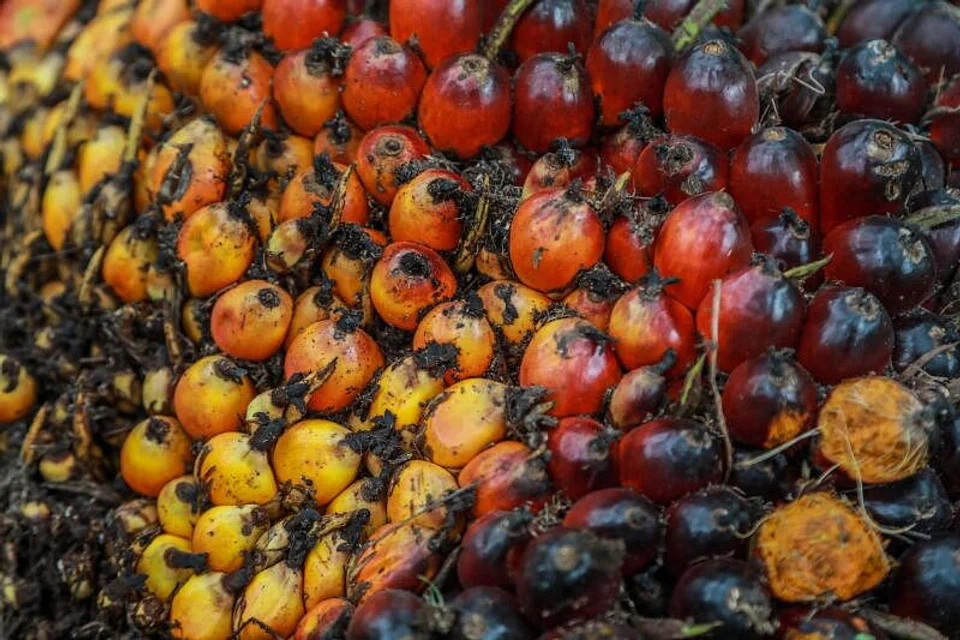
[JAKARTA] Indonesia will remove export volume restrictions on palm oil products and raise its export levy instead, its trade minister said on Thursday (Mar 17), in a surprise policy U-turn just a week after it shocked markets by further tightening its curbs.
The world's biggest exporter of the edible oil has required companies to sell 30 per cent of their planned export volume of palm oil products, up from 20 per cent imposed in January, under a so-called domestic market obligation (DMO) aimed at ensuring local supply amid soaring cooking oil prices.
In a parliamentary hearing, Trade Minister Muhammad Lutfi said that policy had resulted in supply scarcity and the DMO would be withdrawn. The regulations were agreed and approved on Thursday.
Instead, the ceiling of palm export tax and levy would be raised, he said, from a combined maximum of US$375 per tonne to between US$575 and US$675 per tonne. For every US$50 increase in the palm oil reference price, the levy will be raised by US$20, Lutfi added.
The maximum crude palm oil (CPO) levy would be applied when prices reach US$1,500 per tonne. Indonesia's reference CPO price for March stood at US$1,432.24 per tonne.
"This is the market mechanism, and hopefully this can maintain supply stability for the people," Lutfi said.
Global CPO prices have surged to historic highs this year amid rising demand and weak output from top producers Indonesia and Malaysia, plus Indonesia's export limits.
Indonesia first restricted exports after prices of cooking oil - made from refined CPO - rose more than 40 per cent at the start of the year amid a surge in global prices.
Despite export curbs, consumers complained that cooking oil was not available at many retailers across the country.
Indonesia Palm Oil Association (GAPKI) said removal of the curbs was welcomed but the group was still awaiting details of the export levy increases, secretary general Eddy Martono said.
Some lawmakers at the hearing on Thursday criticised the Trade Ministry for haphazard policymaking, and said the frequent changes to its palm oil policies resulted in market volatility.
"Since January up to today, there were already at least 6 ministerial regulations being issued regarding cooking oil - and not one of them had positive impact on the welfare of the people," parliament member Mufti Aiman Nurul Anam said.
The government this week removed price caps on packaged cooking oil while providing subsidy for bulk cooking oil.
More than US$500 million had been allocated to subsidise the bulk cooking oil for the next 6 months, the Coordinating Ministry of Economic Affairs said on Thursday, estimating about 202 million litres of distributions per month.
Explaining the decision to remove the export volume curbs, Lutfi said there was a price disparity between the DMO and market price that was being exploited. He did not elaborate.
He also told the hearing Indonesia had issued export permits for 3.5 million tonnes of palm oil and its refined products in the past 30 days. REUTERS
Decoding Asia newsletter: your guide to navigating Asia in a new global order. Sign up here to get Decoding Asia newsletter. Delivered to your inbox. Free.
Share with us your feedback on BT's products and services
TRENDING NOW

He built the Vingroup empire. Now South-east Asia’s richest man is handing some key roles to his sons

Grab CEO’s wife Chloe Tong on life with Anthony Tan and finding her purpose

What role can Japan play in Asean’s future?

From folding clothes to factory work: Why China is sending humanoid robots to school

