

Indonesia plans large energy subsidies for 2023: Finance minister
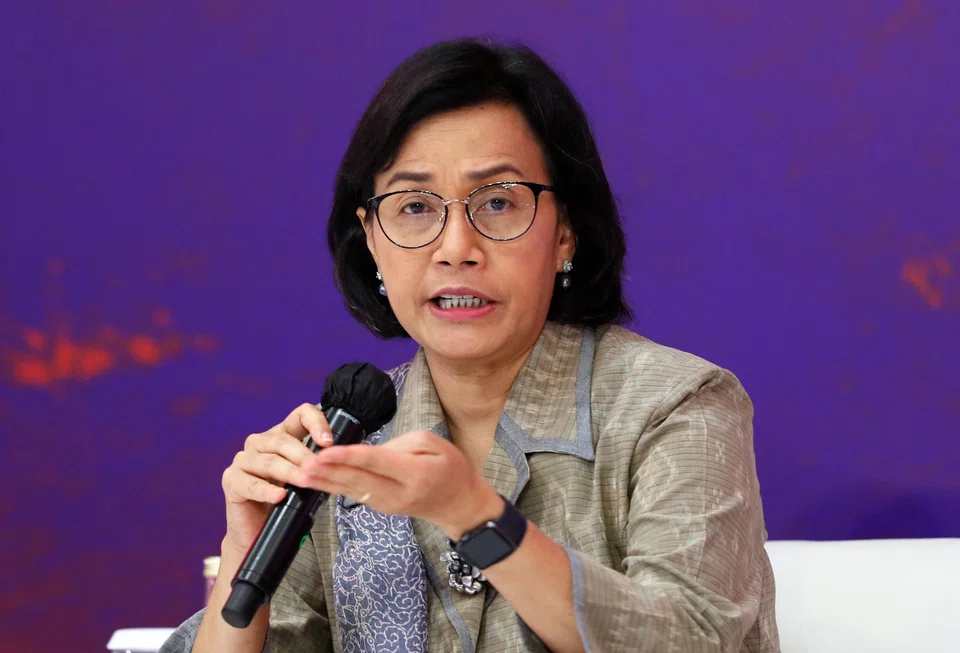
INDONESIA will allocate "very large" energy subsidies in 2023 to stabilise prices, even as the government predicts windfall revenues from high commodity prices to decline, its finance minister said on Monday (Aug 8) after attending a Cabinet meeting.
South-east Asia's largest economy this year has budgeted 502 trillion rupiah (S$46.6 billion) in subsidies and compensations to keep some fuel prices and power tariffs unchanged and control domestic inflation amid soaring global energy prices.
"Next year's (subsidies and compensations) will still be very large," Finance Minister Sri Mulyani Indrawati said, adding that President Joko Widodo will unveil the figure when he presents his budget proposal to Parliament on Aug 16.
Jokowi, as the president is popularly known, also ordered for the 2023 budget to be designed with a deficit under 3 per cent of GDP, Sri Mulyani said, compared with the 2022 deficit outlook of 3.92 per cent of GDP.
The 2023 budget will also be designed with flexibility to respond to international uncertainties, she said.
The main focus on spending will be for human development programmes, infrastructure - including the construction of Indonesia's new capital city, and funding for general elections in 2024, she said.
However, she noted the government may no longer see a boost in revenues related to commodity exports and such windfall may decline, Sri Mulyani said, estimating around 328 trillion rupiah in tax and customs revenues from the commodity sector in 2022.
She predicted Indonesian crude prices will fall to US$90 a barrel next year, while coal prices could moderate to US$200 a tonne and palm prices could go down to under US$1,000 per tonne.
Exports from the resource-rich country had risen to record highs in recent months amid an upcycle in global commodity prices, which was one of the main reasons GDP growth accelerated to 5.44 per cent in the second quarter, beating market expectations.
Jokowi has also ordered for a stress test for the economy against scenarios of worsening global conditions for this year and in 2023, which the finance ministry is currently preparing, she said.
Between January and July, Indonesia had a budget surplus of 106.1 trillion rupiah (US$7.13 billion) or about 0.57 per cent of GDP. REUTERS
Decoding Asia newsletter: your guide to navigating Asia in a new global order. Sign up here to get Decoding Asia newsletter. Delivered to your inbox. Free.
Share with us your feedback on BT's products and services
TRENDING NOW

‘We don’t want to stay as we are’: CEO Patrick Ng builds a more resilient Huationg
URA to review guidelines on floor space to give developers more design flexibility: Chee Hong Tat

He built the Vingroup empire. Now South-east Asia’s richest man is handing some key roles to his sons

32 companies, 6 individuals bag accolades at Singapore Corporate Awards 2026

