Indonesia scraps coal pricing rules after pushback from buyers
Miners will now be allowed to sell below government-set benchmarks
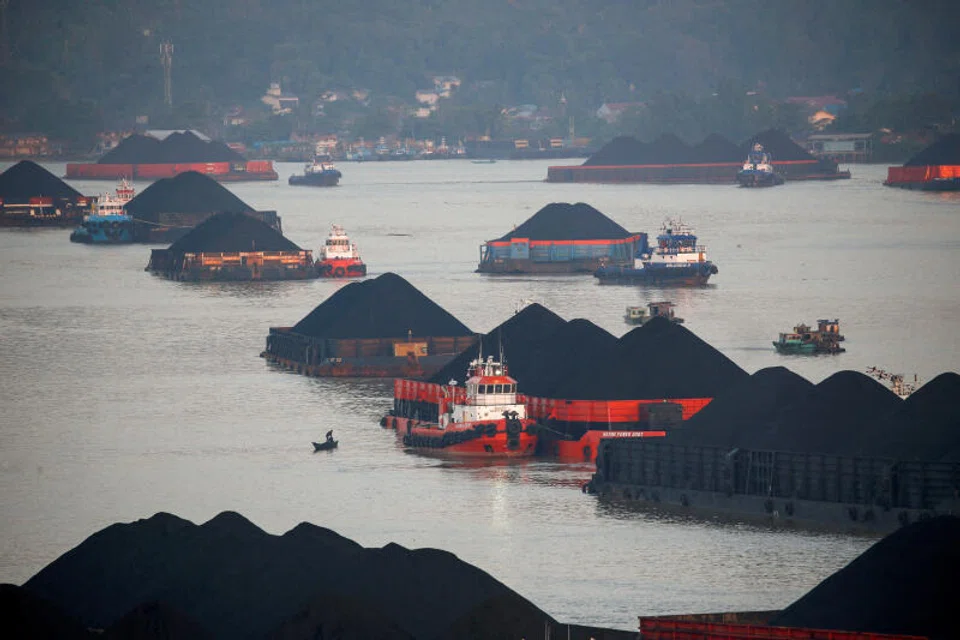
[JAKARTA] Indonesia scrapped rules forcing miners to sell coal and minerals at government-determined levels after buyers pushed back against a system introduced earlier this year.
Miners will now be allowed to sell below government-set benchmarks, according to a ministerial decree signed on Aug 8. The regulation replaces one that came into effect in March and led to a revolt from coal buyers in particular.
The climbdown is a sign of the weakening position of the world’s top coal exporter in an oversupplied market. Global benchmark prices for the fossil fuel have plunged by more than 70 per cent since the end of 2022 after shooting up following Russia’s invasion of Ukraine.
Indonesia’s coal exports dropped precipitously after the earlier regulation was implemented as traders baulked at paying what they saw as unfair prices. Some began to switch contracts away from a popular index, which they saw as distorted by the government’s own benchmarks.
Markets for other commodities were also impacted by the regulations. State-miner PT Aneka Tambang had to halt sales of ferronickel and bauxite last quarter due to buyers refusing to pay government benchmark prices.
Indonesian miners will still have to pay royalties and taxes based on the government benchmarks, which are known as Harga Patokan Mineral and Batubara. BLOOMBERG
Decoding Asia newsletter: your guide to navigating Asia in a new global order. Sign up here to get Decoding Asia newsletter. Delivered to your inbox. Free.
Share with us your feedback on BT's products and services