

Indonesia targets sugar self-sufficiency in 5 years, eyes ethanol production
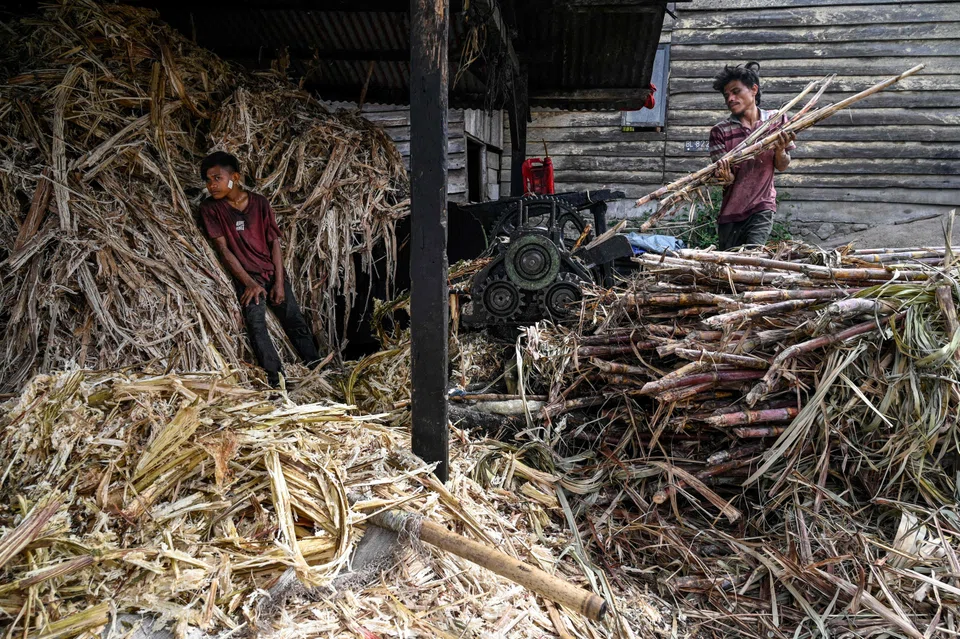
INDONESIA will expand its sugar plantation area to try to become self-sufficient in the next five years and is eyeing development of renewable sugar-based ethanol afterwards, President Joko Widodo said on Friday (Nov 4).
While inspecting a sugarcane plantation owned by ethanol producer Energy Agro Nusantara, controlled by state plantation firm PTPN X, the president said he aims to expand Indonesia’s sugar cultivation area to 700,000 hectares.
This will help Indonesia to be self-sufficient in sugar in the next five years, he said.
Indonesia currently has 180,000 hectares of sugarcane plantations, said Jokowi, as the president is popularly known.
The country of 270 million people is among the world’s biggest importers of raw sugar.
“Once this is achieved, some of the sugar can be made, whether via making molasses or directly, into ethanol, which we will begin with E5,” Jokowi said, referring to a blend of up to 5 per cent ethanol with fossil fuel.
The programme could later be expanded to use a higher blend like E10 or E20, much like how Indonesia has increased the mix of palm oil-based biofuel into its diesel fuel, called B30, Jokowi said, without giving a timeframe.
Indonesia, the world’s biggest producer and exporter of palm oil, is currently conducting a road test for B40, a biodiesel programme using 40 per cent palm based bio-content. REUTERS
Decoding Asia newsletter: your guide to navigating Asia in a new global order. Sign up here to get Decoding Asia newsletter. Delivered to your inbox. Free.
Share with us your feedback on BT's products and services
TRENDING NOW
Easy to rent out, hard to sell: Are buyers losing interest in Singapore’s one-bedroom condos?

GovTech retrenches another 38 staff in second round of layoffs

Stocks to watch: Seatrium, CapitaLand Investment, Keppel DC Reit, Suntec Reit, CLCT, TSH Resources
World’s largest offshore wind platform by Seatrium consortium on track to be completed by 2028

