

Investors sceptical as Alcoa splits into two
Separating the growing products business will expose its legacy unit already reeling from poor commodity prices
New York
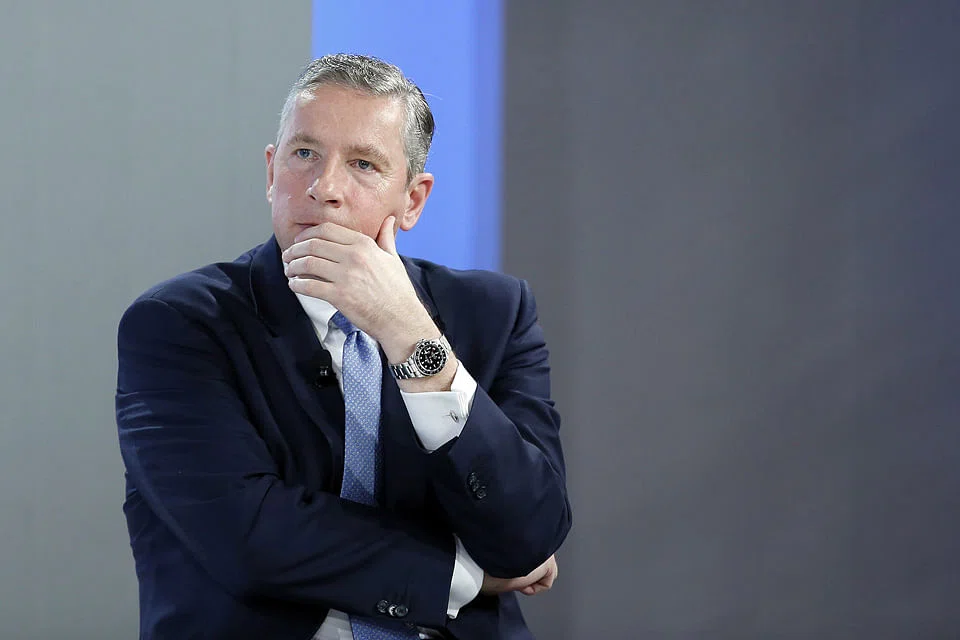
FOR most of its 127 years, Alcoa Inc has done two things: it's made aluminium, and it's made stuff out of aluminium. Now Klaus Kleinfeld wants to change that with a bold - and potentially risky - plan to cleave the aluminium giant in two.
A symbol of American industrial might through the 20th century, Alcoa said on Monday that it would separate its shrinking, legacy aluminium business from its growing downstream operations, which focus on making products for industries including autos and aerospace.
Whether dividing Alcoa into separate companies will pay off is far from certain. Mr Kleinfeld, the chief executive, wants to decouple the highly-engineered lines from legacy operations that have been hurt by the collapse in world commodities prices.
That risks alienating investors who sought diversification: the industrial side of the business has offset unreliable cash flows from the commodity side in the current downturn. While Alcoa's shares rose 5.7 per cent on Monday, its bonds tumbled.
Alcoa's decision to split in two will sharpen pressure on one of the world's top aluminium producers to cut costs or close unprofitable smelting capacity, as worries over China's output mounts and prices hit multiyear lows.
The two businesses are relatively equal in size based on second-quarter revenue and income. But running them separately will highlight the primary aluminium operations' deepening pain as producers face their biggest test since the 2008 financial crisis amid sinking London Metal Exchange prices and physical surcharges and China's mounting output.
Unprofitable upstream assets will have "no place to hide" once they are operating as a standalone business, a source said.
Nine of Alcoa's 15 operating smelters, producing some 1.5 million tonnes per year of aluminium, are bleeding cash with the all-in price combining LME and the premium paid for physical delivery in the US at around US$1,715 per tonne, according to Wood Mackenzie analysis based on second-quarter data.
Capacity at these smelters is nearly half of its 3.4 million tonnes of annual output and roughly 3 per cent of global output of around 53 million tonnes. "(The traditional business) is going to have to be even more focused on everything at the individual asset level because it just makes that much more of a difference to the bottom line," the source said.
LME prices languish at six-year lows, and surcharges paid for physical delivery have fallen at an unprecedented rate to their lowest in 31/2 years, as output from China, the world's top consumer of industrial raw materials, grows.
While the split is unlikely to hasten or prompt any closures in the near future, it will increase investors' and management's scrutiny of smelters in the longer term, the source said.
Since 2007, Alcoa has curtailed, closed or sold 1.3 million tonnes of annual capacity and in March, Alcoa placed some 500,000 tonnes of smelting capacity under review for potential closure, curtailment or sale.
It has shut two smelters in Brazil, and still has more than 300,000 tonnes to address.
Operating the upstream business as a separate entity would leave it without financial support from the rolled products business, which is growing faster in large part due to surging demand from automakers, and highlight the deepening crisis facing the industry at current low prices.
"There's not a downstream company to subsidise cash flows, which is the case today," said Lloyd O'Carroll at CRU Group in Richmond, Virginia, who has been pushing for the split for at least five years. "It certainly makes it more visible, and therefore very well could put more pressure on the commodity company to act quickly."
An Alcoa spokeswoman said the separation would highlight the strength of the alumina and bauxite businesses, raw materials required to make aluminium, which have low input costs and are aiming to boost third-party sales.
Alcoa's primary metals business had after-tax operating income (ATOI) of US$67 million in the second quarter of 2015, down from US$97 million the second quarter of last year and down from US$187 million in the first quarter. The alumina business had ATOI of US$215 million in the second quarter, up from US$38 million in the same period last year.
For Mr Kleinfeld, the split marks the culmination of a strategy he pursued since taking the reins in 2008: relentlessly emphasising value-added products while rationalising a commodity business that was once the world's largest by volume. As CEO of the new manufacturing company, he can ease off his promotion of the "miracle metal".
"Aluminium will still play a very, very important role, but we have become this multi-material lightweight metal specialist," he said. "That has been our success story." WP, REUTERS
TRENDING NOW

Motoring tycoon Peter Kwee is back in court: Here are his previous legal battles

Peter Kwee’s Ridley Park bungalow on the market with S$100 million asking price

Demand, tech capabilities position Apac and AI as Skyscanner’s next growth frontiers: CEO Bryan Batista

South-east Asia has lost Nvidia’s best salesman

