

Japan builds energy hub to tap US shale gas revolution
Minister calls for more flexible contracts to usher in an era of cheap energy in Asia
Tokyo
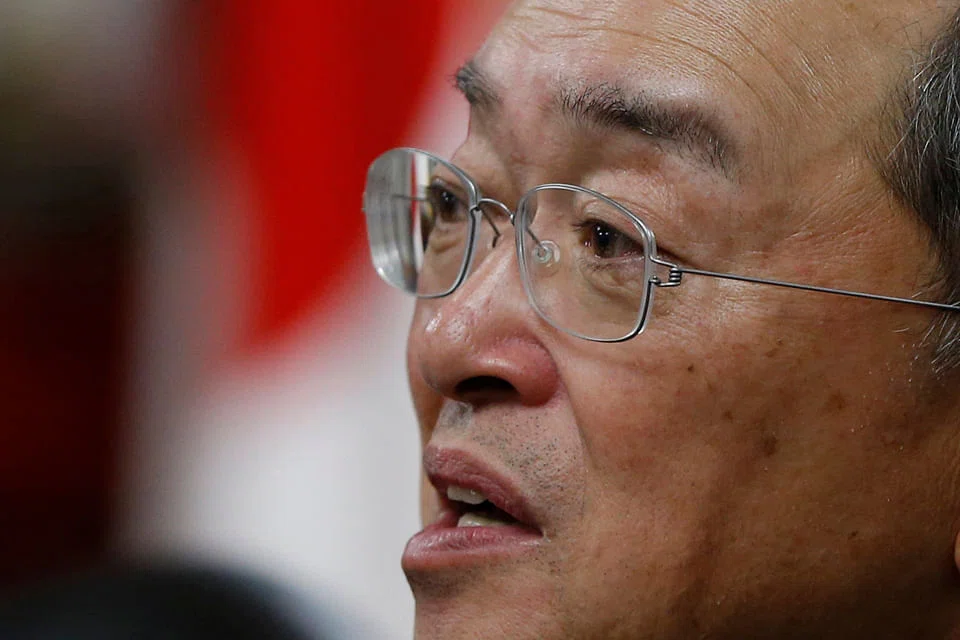
THE shale gas "revolution will finally cross the Pacific Ocean" from 2016 with US exports of liquefied natural gas (LNG) beginning to reach Asia, bringing the promise of a new era of cheaper fuel, Minister of Economy Trade and Industry Yoichi Miyazawa predicted in Tokyo on Thursday.
With an array of LNG projects also planned in Australia, Canada, Russia, Alaska and elsewhere, prospects for plentiful and cheap energy for the Asia region look good, provided greater flexibility can be introduced in energy contracts, Mr Miyazawa told a conference.
He quoted predictions by the International Energy Agency (IEA) that global LNG demand would soar by 30 per cent within the next five or six years while the increase in global LNG export capacity should more than keep pace, rising by 380 million tonnes a year.
Australian Minister for Industry Ian Macfarlane and Canadian Minister of Natural Resources Greg Rickford also spoke at the conference on the prospect of their countries becoming "energy superpowers" in coming years.
Japan, meanwhile, is "moving towards establishing an LNG hub in Asia in the future", Mr Miyazawa told the conference which was co-sponsored by Meti and the Asia Pacific Energy Research Centre.
"In September, an over-the-counter market for LNG was set up (in Japan) with around 20 companies participating," he said. With the government now publishing LNG import spot prices on a monthly basis, the foundation for an energy hub is emerging in Japan. Spot transactions and short-term contract transactions have jumped from around 10 per cent of all Japanese LNG transactions to 30 per cent since the 2011 Fukushima disaster, the minister said at the conference attended by around 1,000 official and business representatives from 50 countries.
LNG transactions "are becoming increasingly diverse and flexible and more responsive to the regional demand" compared with the past when the market was dominated by relatively inflexible long-term contracts between suppliers and customers, My Miyazawa noted.
Relaxation of the so-called "destination clauses", under which fuel suppliers can dictate where the fuel is shipped to and who uses it, will "make LNG markets more flexible and enhance the security of natural gas supply", he said.
The EU decision that destination restrictions are not permissible from a competition policy perspective along with agreement by G-7 nations and by Apec to relax such restrictions suggest that "the world is moving towards a common understanding on this issue".
LNG export projects currently approved by the US alone "are set to produce 380 million tonnes of LNG per annum - a volume equal to one half of Asia's current total LNG demand", said Mr Miyazawa. "Based on current prices, the US LNG reaching Japan could be 20-30 per cent cheaper than current (price) levels even after the costs of liquefaction and transportation are taken into account."
Meanwhile, "methane hydrate, an area where Japan is leading the world by successfully carrying out offshore production tests, may bring the next revolution after shale gas", Mr Miyazawa suggested. "Japan is working on technological development with an eye to commercialisation."
TRENDING NOW
Who is Leo KoGuan, the Singapore-based billionaire backing Nvidia’s Jensen Huang?

Demand, tech capabilities position Apac and AI as Skyscanner’s next growth frontiers: CEO Bryan Batista

Higher rates, weaker spending: Is the Philippines entering stagflation?

South-east Asia has lost Nvidia’s best salesman

