

Japan could be energy-independent by 2060 thanks to renewables: Rystad Energy CEO
 Add BT as a preferred source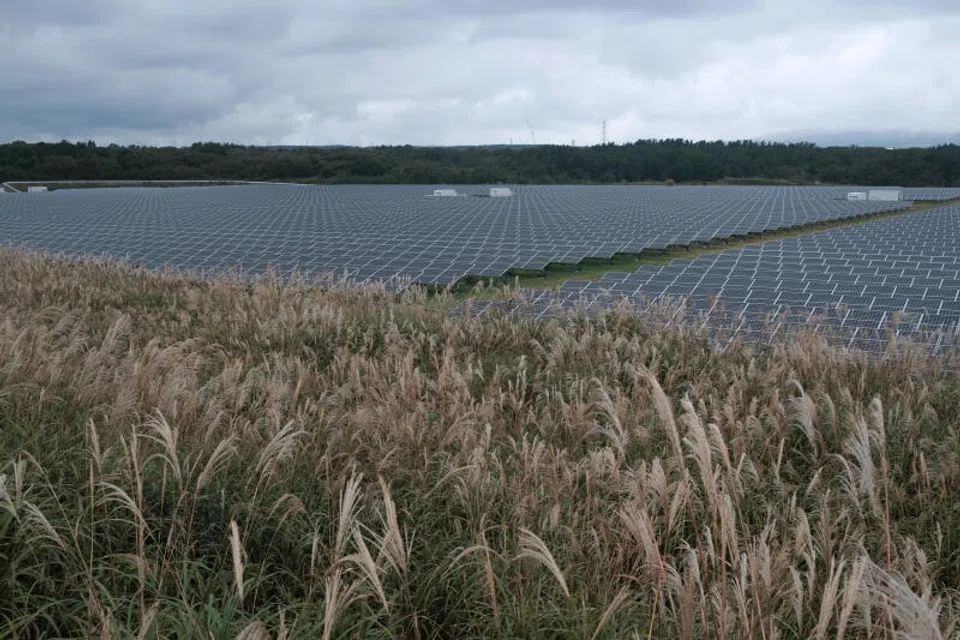
JAPAN, a major coal and liquefied natural gas (LNG) buyer, could be energy-independent by 2060 thanks to expansion of solar and wind power together with storage batteries, said Jarand Rystad, chief executive of the Rystad Energy consultancy.
Japan imports most of its energy resources, with the Middle East, Australia and the United States being its top suppliers. The government’s strategy calls for a reduction in LNG and coal to under 40 per cent of the power generation mix by 2030 from more than 60 per cent now. But analysts say Japan is moving slower than it needs to.
“Japan’s mindset is that we have to import energy because we have no energy ourselves. But with the development in renewable energy technologies, I think that statement doesn’t need to be true,” Rystad told Reuters.
According to Rystad, Japan could be energy-sufficient by having 45 per cent of solar power, 30 per cent of wind generation led by offshore farms, 5 per cent of hydropower, another 5 per cent of biomass and e-fuel with nuclear power providing the remaining 15 per cent, by 2060.
“All Japan needs is to continue installing as much solar as it did in the years before 2020. From 2014, you installed between 10 and 12 gigawatts on the peak,” Rystad said.
Japan installed about 4 GW of new solar capacity last year, with its total outstanding solar capacity reaching 87 GW, the world’s third biggest behind China and the United States.
Rystad said mixing agriculture with solar panels – which also provide the shade preferred by some types of crops – as well as solar rooftops above roads, among other solutions, could help to expand the use of such power.
“The combination of offshore and onshore wind and solar, geothermal and biomass with solid backup from both battery and pumped hydro, should actually enable Japan to see self-dependency in energy in 40 years, or by 2060 even,” he said. REUTERS
Decoding Asia newsletter: your guide to navigating Asia in a new global order. Sign up here to get Decoding Asia newsletter. Delivered to your inbox. Free.
Share with us your feedback on BT's products and services
TRENDING NOW

1 in 5 fresh graduates from autonomous universities still seeking employment: MOM

UOB CEO’s youngest child Grant Wee turns burnout into a wellness business
Cold Storage moves into convenience retail with On The Go, to replace FairPrice at 58 Esso stations
Why copper is becoming Asia’s next AI bottleneck

