Japan returns to nuclear power to stabilise energy supply
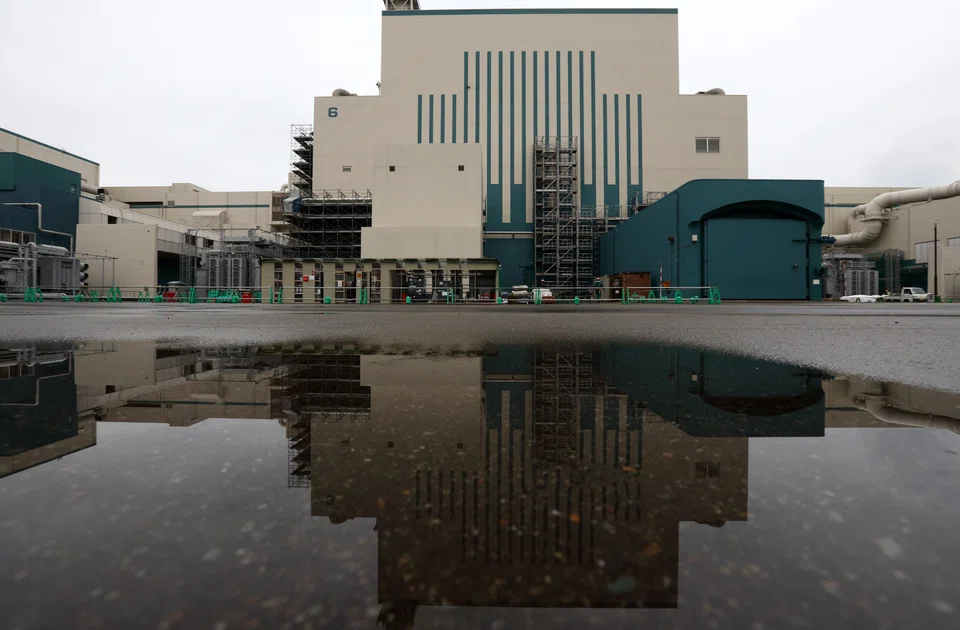
JAPAN will restart more idled nuclear plants and look at developing next-generation reactors, Prime Minister Fumio Kishida said on Wednesday (Aug 24), setting the stage for a major policy shift on nuclear energy a decade after the Fukushima disaster.
The comments from Kishida - who also said the government would look at extending the lifespan of existing reactors - highlight how the Ukraine crisis and soaring energy costs have forced both a change in public opinion and a policy rethink toward nuclear power.
Japan has kept most of its nuclear plants idled in the decade since a massive earthquake and tsunami in 2011 triggered a nuclear disaster at the Fukushima Daiichi power plant.
Kishida told reporters he had instructed officials to come up with concrete measures by the year end, including on “gaining the understanding of the public” on sustainable energy and nuclear power.
Government officials met on Wednesday to hammer out a plan for so-called “green transformation” aimed at retooling the world’s third-largest economy to meet environmental goals. Nuclear energy, which was deeply opposed by the public in the aftermath of the Fukushima crisis, is now seen by some in government as a component for such green transformation.
Public opinion has also shifted, as fuel prices have risen and an early and hot summer spurred calls for energy-saving.
Last month the government said it hoped to restart more nuclear reactors in time to avert any power crunch over the winter.
As of late July, Japan had seven operating reactors, with three others offline due to maintenance. Many others are still going through a relicensing process under stricter safety standards imposed after Fukushima.
Kishida also said the government would look at extending the lifespan of existing reactors. Local media earlier reported this could be done by not including the time reactors remained offline - years in some cases - when calculating their operating time.

Under current regulations Japan decommissions plants after a predetermined period, which in many cases is 60 years. REUTERS
Decoding Asia newsletter: your guide to navigating Asia in a new global order. Sign up here to get Decoding Asia newsletter. Delivered to your inbox. Free.
Share with us your feedback on BT's products and services