Longi joins China solar push to cut costs by reducing silver
The shift comes as solar manufacturers struggle with overcapacity and intense competition
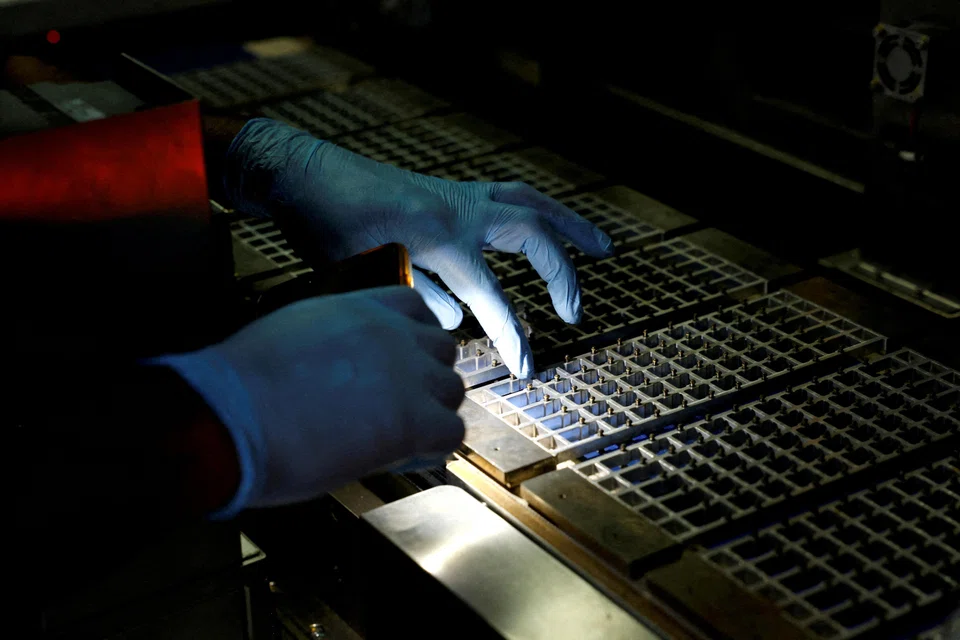
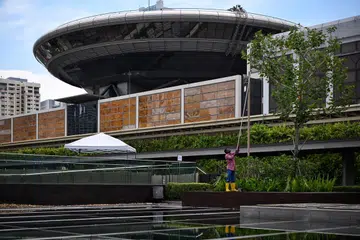
LONGI Green Energy Technology will begin substituting base metals for silver in its solar cells, the latest move by the industry to mitigate the surging cost of the precious metal.
Mass production using base metals is expected to start in the second quarter, which will help “further lower the costs of solar modules”, Longi said in a filing on Monday (Jan 5).
The shift comes as solar manufacturers, the largest industrial consumers of silver, struggle with overcapacity and intense competition. Record prices, driven by safe-haven demand linked to geopolitical tensions, and interest-rate cuts by the US Federal Reserve, have only accelerated the trend to slash usage of the most costly component in solar cell production.
Prices of the metal, prized for its wide range of industrial applications, tripled last year as investor demand collided with constrained supply.
In October, silver trading in the US$50-an-ounce range translated to more than 17 per cent of the per-watt price of solar modules, up from 12 per cent two months before and 3 per cent in 2023, according to BloombergNEF. Late last month, silver topped US$84 an ounce.
Silver-free cells
Other Chinese solar manufacturers taking a similar approach include Jinko Solar, which said in December that it could achieve large-scale output of panels this year that use base metals such as copper. Shanghai Aiko Solar Energy, a smaller rival, has already launched production of silver-free solar cells, with an initial capacity of 6.5 gigawatts.
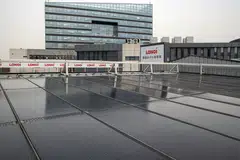
Unlike most of its competitors, Longi produces back-contact solar cells, which generate more power from the same amount of sunlight. Although they hold a smaller share of the market compared with the more mainstream TOPCon technology, it’s easier to replace silver with base metals in BC cells, Longi said in May.
Still, progress has been slow because using alternative materials such as copper can lead to higher assembly costs and greater concerns over reliability, BNEF said. TOPCon cells are particularly resistant to substitution because of a high-temperature fabricating process that works against copper.
Nonetheless, silver demand from the solar sector is expected to fall as more producers shy away from the metal’s costs. BNEF estimated the industry’s silver use would drop by 7 per cent in 2025, despite a 15 per cent rise in global solar additions. BLOOMBERG
Decoding Asia newsletter: your guide to navigating Asia in a new global order. Sign up here to get Decoding Asia newsletter. Delivered to your inbox. Free.
Share with us your feedback on BT's products and services