Lynas CEO says US, Europe rules sway buyers from Chinese rare earths
She called for governments to intervene in order to encourage a rare earths industry to flourish outside China
[MELBOURNE] New government regulations in the US and Europe are helping to push customers to buy rare earth products from suppliers outside China, the chief executive of Australia’s Lynas Rare Earths said on Wednesday.
China is the world’s largest and lowest-cost producer of the metals and magnets used in industries from automotive to defence, and for years has enjoyed a role as the world’s default supplier. But its restrictions on some exports last year, in response to US tariffs, left global automakers and other industries exposed.
Since then, Washington has pledged to support higher prices for its leading rare earths producer to spur non-Chinese supply, but convincing international customers to pay more when cheaper Chinese options exist has proven difficult.
The US is next year introducing new regulations guiding procurement, which includes restrictions on the acquisition of certain magnets, tantalum and tungsten, while the European Union in bringing in restrictions over sourcing of those supplies, under its critical raw materials framework, Lynas CEO Amanda Lacaze said.
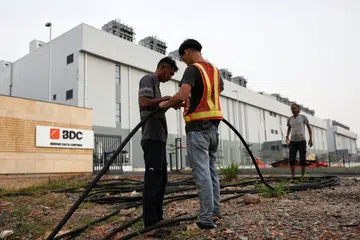
“In both cases, we are observing changed purchasing decisions so that consumers can comply with the regulations,” she said speaking at an event in Canberra. Perth-headquartered Lynas, which has a processing facility in Malaysia, is the world’s biggest producer of rare earths outside of China.
Lacaze called for governments to be more interventionist to encourage a rare earths industry to flourish outside China, including for governments beyond the US and Japan to set floor prices.
SEE ALSO



Australia is revising its policies around building a strategic reserve, which will “no doubt” have an element of a floor price, the country’s resources minister said in March, as the resources rich nation looks to cement its role as a key supplier to its allies. REUTERS
Decoding Asia newsletter: your guide to navigating Asia in a new global order. Sign up here to get Decoding Asia newsletter. Delivered to your inbox. Free.
Share with us your feedback on BT's products and services