

March rains to help Argentine wheat/barley sowing, but too late to restore soya/corn yields
 Add BT as a preferred source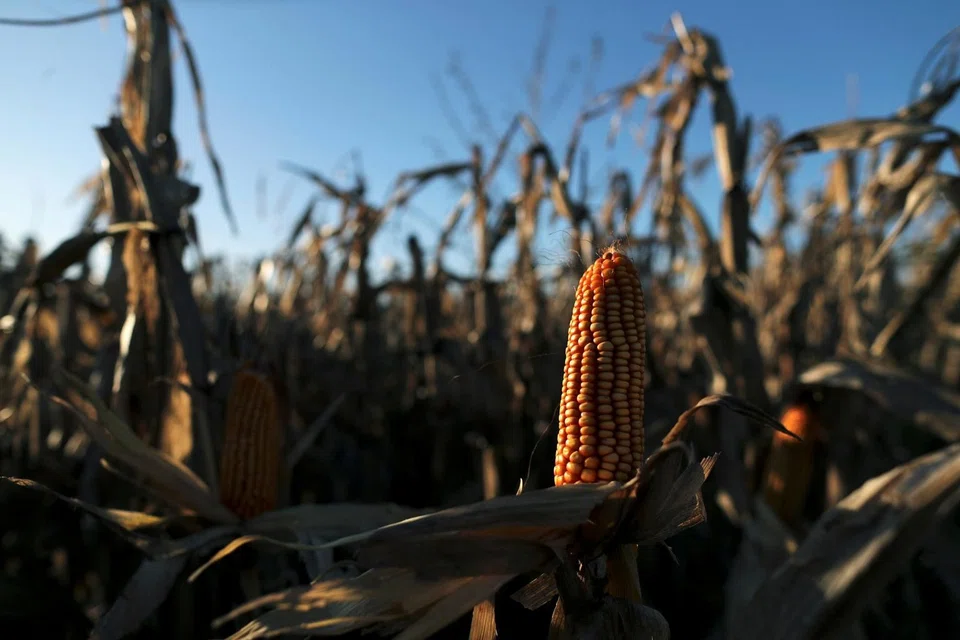
DeeperDive is a beta AI feature. Refer to full articles for the facts.
[BUENOS AIRES] Hard late-March rains in Argentina have set the stage for smooth wheat and barley sowing, but the storms arrived too late to help corn and soy yields in areas that had been pounded by months of dry weather, farmers and crop analysts said on Monday.
The South American grains powerhouse is the world's No 3 corn exporter and top supplier of soymeal livestock feed, used to fatten hogs and poultry from Europe to Southeast Asia.
"There are regions where late-planted soy is in very bad shape and where corn harvesting has started with terrible yields. The rain got here too late for these crops," said Francisco Santillan, a grower in the bread-basket province of Buenos Aires.
Soy and corn are Argentina's main cash crops.
"The rains will help with wheat and barley planting. The big problem this year is late planted soy, which took the brunt of dry weather and high temperatures in January and February," said Buenos Aires-based agricultural analyst Pablo Adreani.
Argentine barley and wheat is sown in May-July. The main importer of Argentine wheat is neighboring Brazil. China, bereft of barley from its usual supplier Australia due to a bi-lateral trade fight, has stepped up purchases of Argentine barley needed to help Asia's top economy rebuild its disease-ravaged hog herd.
Navigate Asia in
a new global order
Get the insights delivered to your inbox.
"Rains were very favorable in much of the country over the last ten days. A large part of the agricultural area received at least one hundred millimetres of water," said German Heinzenknecht, a meteorologist at consultancy Applied Climatology.
But damage from a long dry spell that started in mid-2020 had already been done, he said.
The Rosario exchange this month cut its 2020/21 soy harvest forecast to 45 million tonnes from a previous 49 million tonnes, citing persistent high temperatures and scant rainfall. And the Buenos Aires Grain Exchange cut its soy crop forecast to 44 million tonnes from a previously-projected 46 million tonnes.
"The recharging of ground moisture is positive for upcoming wheat and barley planting. But, in general, these rains arrived too late to restore soy and corn," Mr Heinzenknecht said.
REUTERS
Decoding Asia newsletter: your guide to navigating Asia in a new global order. Sign up here to get Decoding Asia newsletter. Delivered to your inbox. Free.
Share with us your feedback on BT's products and services
TRENDING NOW

Air India asks Tata, Singapore Airlines for funds after US$2.4 billion loss

Beijing’s calculated silence on the Iran war

China pips the US if Asean is forced to choose, but analysts warn against reading it like a sports result

Richard Eu on how core values, customers keep Singapore’s TCM chain Eu Yan Sang relevant

