

Mining giant Rio Tinto planning to expand metals trading business: sources
This is part of a drive by its new leader to make the business more agile
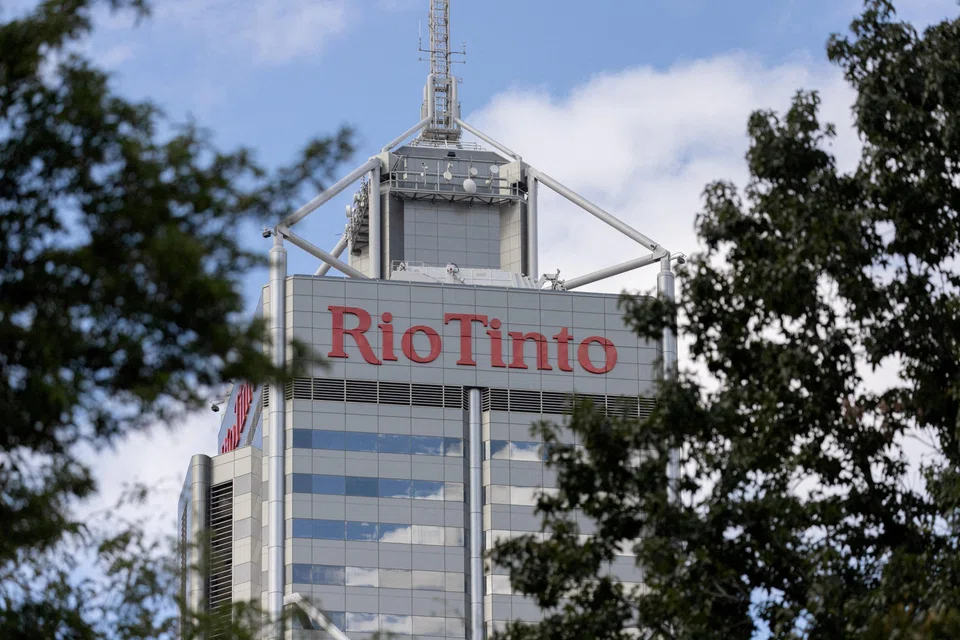
[MELBOURNE] Rio Tinto Group plans to expand its marketing operations to trade more metal from other producers as well as derivatives, according to people familiar with its strategy, as part of a drive by its new leader to make the business more agile.
Rio is the world’s second-biggest miner, with operations spanning from iron ore in Western Australia to copper in Mongolia and aluminum in North America.
However, historically it has not had a vast trading operation and has not been as successful as some of its peers in extracting maximum value from all parts of its business, something that chairman Dominic Barton and chief executive officer Simon Trott are keen to address.
Rio’s shortcomings were highlighted during two rounds of talks over the past two years to buy Glencore, a mining rival with sprawling trading operations that span energy, metals and power markets.
Glencore’s deep-rooted trading networks and commercial acumen were a key attraction for Rio – along with a lucrative copper portfolio. Those discussions were later dropped.
Rio is not aiming to replicate the sector’s standalone trading giants, the people said, asking not to be identified as discussions are ongoing – but it wants to see a step change in the current business, headed by chief commercial officer Bold Baatar.
It will, for example, build out third-party trading – normally the preserve of specialist traders who tend to buy commodities rather than digging them up – marking a significant break from its current model of marketing primarily its own products.
Still, Rio sees the shift as a means of squeezing more profit from its assets, rather than as an effort to build a standalone trading business, the people said.
Areas of focus include the alumina market, where it is oversupplied in some geographies and light in others.
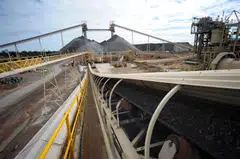
Rio is also looking at trading opportunities in the North American copper market, where it has spare smelting capacity at its Kennecott operations. The company could add copper cathode and related products like sulfuric acid.
The company is also willing to start using financial derivatives to hedge against its positions and exposures, the people said, rather than taking directional bets on commodity prices.
“Marketing equity tonnes from our own operations to meet the needs of customers and partners remains the foundation of Rio Tinto’s business.” Rio said in a statement. “Alongside this, we are continuing to grow our capability to buy and sell products on behalf of third parties.”
It added: “We see this as an opportunity to deliver added value through maximising infrastructure utilisation, optimising the placement of our own production and offering increased optionality for customers.”
The company declined to comment further on its plans.
Rio centralised its commercial operations into a marketing hub in Singapore in 2018 – under Trott, who was then chief commercial officer – in attempt to catch up with rival miners BHP Group and Anglo American who had more established marketing arms.
Yet those attempts mostly stalled during the pandemic. Anglo reversed course further from 2024, as it fought off a takeover bid.
Under Trott, who became CEO last year, Rio has laid out plans to simplify the business, sell assets and cut costs. Yet it also sought to drive more profit from its operations. The company is already in talks with oil-trading giant Vitol Group about setting up a freight and logistics joint venture, Bloomberg reported in June.
Rio’s commercial team currently has about 20 traders with plans to add another handful, the people said. The financial contribution of the unit will also not be disclosed, but will be measured internally. BLOOMBERG
Decoding Asia newsletter: your guide to navigating Asia in a new global order. Sign up here to get Decoding Asia newsletter. Delivered to your inbox. Free.
Share with us your feedback on BT's products and services






