Ng Yu Zhi’s liquidated company to pay all GST arrears, and 60% of valid unsecured claims

Tay Peck Gek
Published Tue, Jul 18, 2023 · 04:56 PM
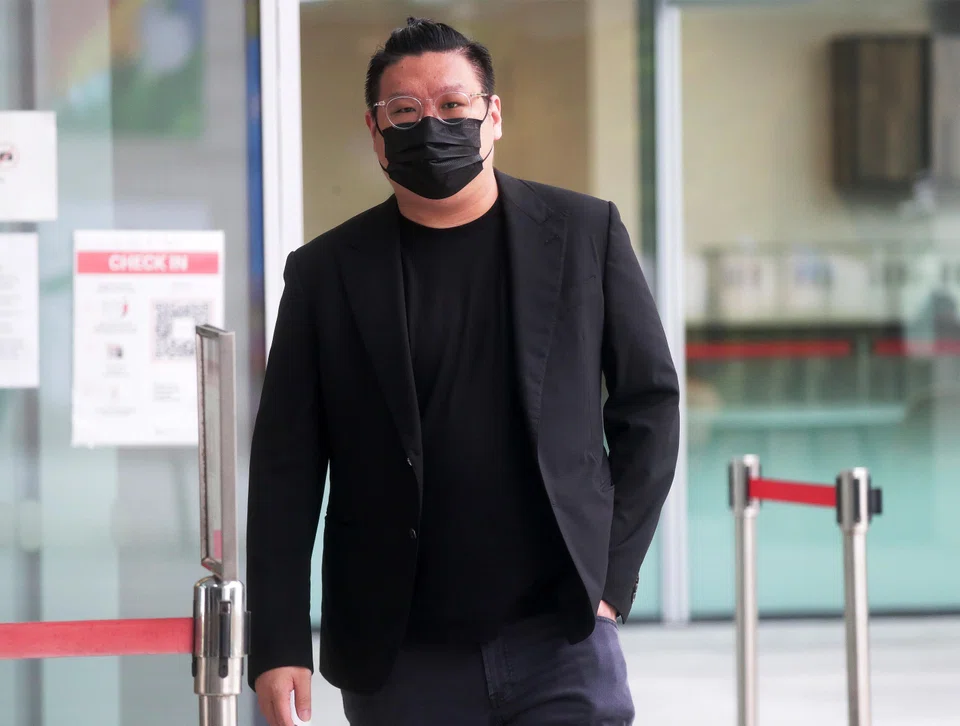
    • Ng Yu Zhi leaving the State Courts in March 2022. The Singaporean businessman is at the centre of an alleged US$1.1 billion nickel trading scam.
    • Ng Yu Zhi leaving the State Courts in March 2022. The Singaporean businessman is at the centre of an alleged US$1.1 billion nickel trading scam. PHOTO: BT FILE

    THE proceeds from the liquidation of a company belonging to alleged nickel trading scammer Ng Yu Zhi will go towards paying the Comptroller of Goods and Services Tax in full, and satisfy 60 per cent of the admitted unsecured claims in initial dividends.

    In a newspaper notice on Tuesday (Jul 18), a liquidator for Envy Strategic Holdings, Toh Ai Ling, announced that 100 per cent of admitted preferential claims and 60 per cent of all valid claims without security will get paid on Jul 25.

    It will be the first and final payment to the preferential creditor, and the first interim payout to unsecured creditors.


    Toh, a partner and head of turnaround and restructuring at KPMG in Singapore, said in response to queries from The Business Times that the preferential creditor is the Comptroller of Goods and Services Tax (GST).

    She noted that a significant part of the admitted unsecured claims are from related companies in the Envy group, which are in compulsory liquidation.

    The dividends declared will form part of the aggregated pool of assets of Envy Global Trading, Envy Asset Management and Envy Management Holdings, to be distributed to the creditors in due course, she said. All three companies are in liquidation.

    She did not state the total amount of assets that Envy Strategic Holdings has, or the amount of valid claims she has received, including the GST arrears being claimed.

    Ng, at the centre of a US$1.1 billion alleged scam for which he is facing 105 charges, is a shareholder of the Envy group of companies.

    His criminal matter has been sent to the High Court for further hearing. The prosecution in January sought to have what it said was Singapore’s largest investment fraud scheme to be tried by the High Court, because it has the power to mete out sentences that exceed the District Court’s maximum sentencing jurisdiction of 20 years.