

Oil up 1% on signs of slow US output, posts first weekly loss in 8 week
OIL prices rose about 1 per cent on Friday on signs of slowing US output, but both crude benchmarks also ended their longest weekly rally of 2023 on mounting concerns about global demand growth.
West Texas Intermediate (WTI) crude futures gained 86 cents, or 1.1 per cent, to settle at US$81.25 a barrel, and Brent crude futures rose 68 cents, or 0.8 per cent, to settle at US$84.80 a barrel.
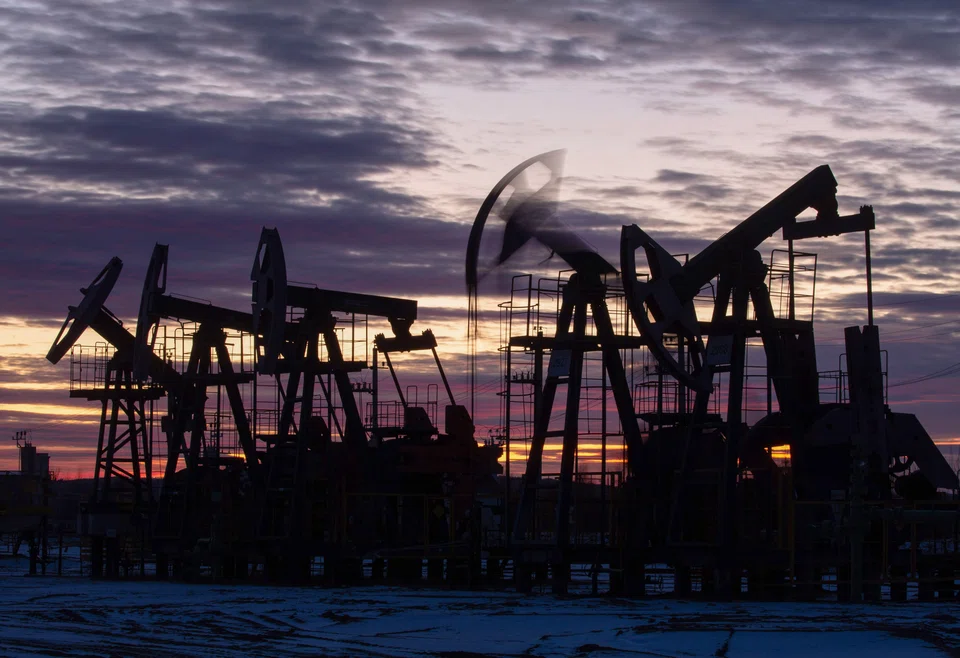
Both benchmarks pushed higher on Friday after industry data showed that the US oil and natural gas rig count, an early indicator of future output, fell for the sixth week in a row. A slump in US production could exacerbate an anticipated supply tightness through the rest of this year.
Those concerns, spurred on by output cuts from the Organization of the Petroleum Exporting Countries and allies, helped oil prices gain for seven straight weeks since June.
Brent crude gained about 18 per cent and WTI gained 20 per cent over the seven weeks ended Aug 11.
This week, however, oil prices dropped about 2 per cent from last week, as a worsening property crisis in China added to concerns about the country’s sluggish economic recovery and reduced investors appetite for risk across markets.
“Concerns for investors remain focused on the tension between slowing global growth and still-tight global supplies,” said Rob Haworth, senior portfolio manager at US Bank Asset Management.
“Prices are likely to remain range-bound for now,” Haworth said, adding that demand is in question for investors worried by the weak data from China.
Concern is also mounting that the US Federal Reserve has not finished raising interest rates to tackle inflation. Higher borrowing costs can impede economic growth and in turn reduce overall demand for oil.

Oil benchmarks were further depressed by seasonal demand weakness heading into the autumn, said Jay Hatfield, CEO of Infrastructure Capital Management.
Hatfield said he expects demand to hold up in China despite its slowing economy and forecast oil prices would trade between US$75 to US$90 a barrel over the coming months. REUTERS
Decoding Asia newsletter: your guide to navigating Asia in a new global order. Sign up here to get Decoding Asia newsletter. Delivered to your inbox. Free.
Share with us your feedback on BT's products and services
TRENDING NOW

Temasek’s Wan Chee Foong to helm PIL, Lars Kastrup to be board adviser

Chagee, Mixue and Luckin won the market. Sustaining their edge is the harder part

He built the Vingroup empire. Now South-east Asia’s richest man is handing some key roles to his sons

One-third of Singapore-listed firms at risk in severe AI downturn: MAS

