

Oil dips in choppy session on mixed outlook for Saudi exports
The global benchmark edges 0.9% lower to settle near US$104 a barrel, cementing a narrow weekly loss
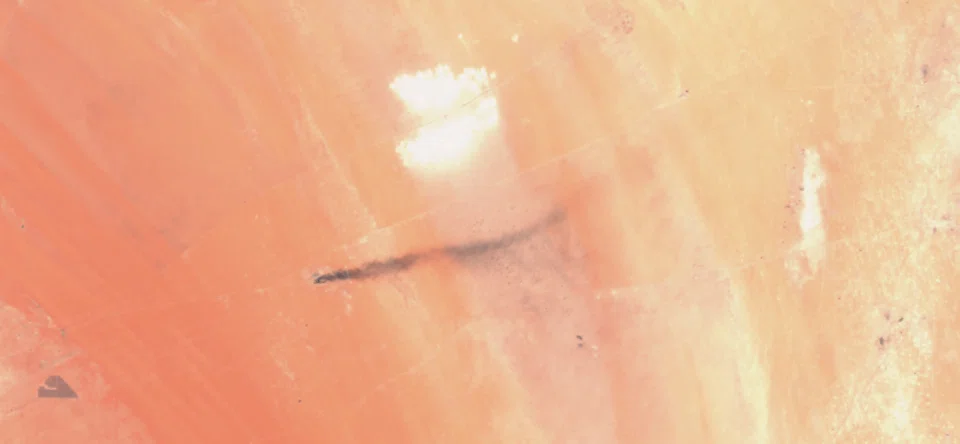
OIL fell for a third straight session amid shifting concerns about Middle East supply, with Saudi Arabia pausing some sales to Europe though traders and analysts saying buffers still hold for now.
The global benchmark edged 0.9 per cent lower to settle near US$104 a barrel, cementing a narrow loss for the week.
Saudi Aramco is working to partially restart its East-West pipeline within days following done attacks stemming from the Iran war, and to resume full capacity within six weeks, Bloomberg reported. The kingdom is also ramping up sales of crude from outside the Strait of Hormuz.
“It feels like the physical panic is over for now in crude with the partial resumption of the Yanbu route out of Saudi Arabia and also the Saudis finding a way to sell more from the Strait of Hormuz,” said Scott Shelton an energy specialist at TP ICAP Group.
West Texas Intermediate, which is nearing expiration, settled around US$100 a barrel.
Offsetting some optimism, Aramco told at least two oil refining customers in Europe that they will be allocated no crude oil next month.
The East-West pipeline has served as an essential workaround to Hormuz during the war, and has a capacity of up to seven million barrels a day.
Still, concerns about physical supply linger. Differentials of crude from North Sea to the Mediterranean are surging to records as the shutdown of the pipeline roils European physical markets.
That has contributed to a volatile week for crude, which initially jumped following the drone strikes on the pipeline before easing. Brent has gained about 70 per cent this year as conflicts in the Middle East and Russia drag on.

Tightening refined products markets are fanning inflationary concerns, with Goldman Sachs Group predicting more gains for petrol.
On the diplomatic front, a meeting with Persian Gulf nations is planned for next week on the sidelines of the United Nations General Assembly in New York, while the US leader is due to hold a summit with Chinese counterpart Xi Jinping that may touch upon the war.
Elsewhere, US President Donald Trump told Axios he was approaching a “big decision” on whether to re-escalate attacks on Teheran.
South Korea, a top buyer of Middle East crude, ruled out sending troops to the Strait of Hormuz to join the US war against Iran despite pressure from Trump.
Sentiment is still far from bearish, with traders awaiting evidence of restored supply, said Priyanka Sachdeva, head of market insights at Phillip Nova Pte in Singapore.
Oil’s recent drop appears to be a cooling of the geopolitical risk premium rather than a fundamental reversal, she said.
Money managers increased their combined net-long positions on the West Texas Intermediate and Brent benchmarks by 18,254 lots to 429,413 lots in the week through Sep 15, according to data from ICE Futures Europe and the US Commodity Futures Trading Commission compiled by Bloomberg.
That is the most bullish stance since late May.
Risks to shipping passing through Hormuz persist amid Iranian threats to vessels using routes it regards as unapproved.
UK Maritime Trade Operations said it received a report of a tanker being struck by an unknown projectile while transiting outbound of the strait on Wednesday. BLOOMBERG
Decoding Asia newsletter: your guide to navigating Asia in a new global order. Sign up here to get Decoding Asia newsletter. Delivered to your inbox. Free.
Share with us your feedback on BT's products and services
TRENDING NOW

DBS, OCBC, UOB rout lops billions off STI as inflation, rate concerns spook investors

Grab CEO’s wife Chloe Tong on life with Anthony Tan and finding her purpose

OCBC sheds S$8 billion in value as shares close nearly 6% down; analysts cautious on banks

Deal between tycoon friends sparks scrutiny of Philippine power sector

