

Oil rises as US-Iran peace talks stall, Hormuz shipping slows
Shipping through the Strait of Hormuz slowed over the Aug 15-16 weekend
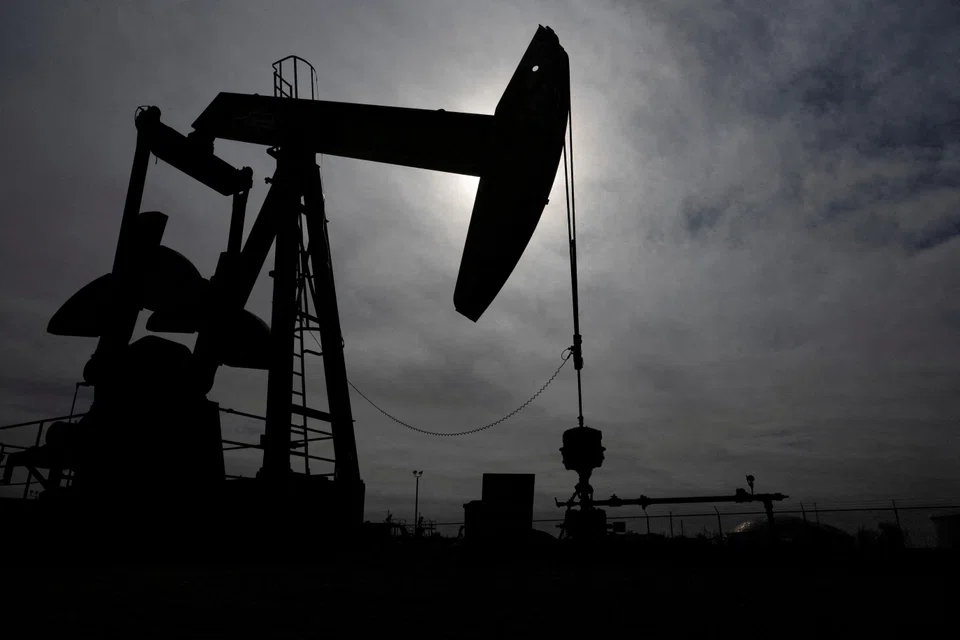
[NEW DELHI/SINGAPORE] Oil prices rose on Monday (Aug 17) as fading expectations of a US-Iran peace breakthrough and slower tanker traffic through the Strait of Hormuz reinforced geopolitical risk concerns in the market.
Brent crude futures rose as much as 1 per cent to US$89.40 per barrel and were last trading up US$0.72 at US$89.20 by 0229 GMT. The US West Texas Intermediate crude futures rose US$0.44 to US$82.83 a barrel.
Both contracts gained more than 5 per cent in the week ended Aug 16 following attacks on tankers operated by Abu Dhabi National Oil Company in the Hormuz strait and on a Saudi Aramco refinery.
Over the Aug 15-16 weekend, Iranian Foreign Minister Abbas Araqhchi said Iran had not decided to resume talks with the US, while US President Donald Trump urged Americans to accept slightly higher gasoline prices while the conflict continues.
“Oil prices have now rebounded almost completely from the lows seen in early August, as hopes for a more permanent resolution between the US and Iran have faded and geopolitical risk premiums have returned to the market,” said Priyanka Sachdeva, head of market insights for Phillip Nova in Singapore.
“However, I see limited upside from here unless we get clear evidence of renewed aggression in the Strait of Hormuz, particularly material damage to tankers or oil infrastructure,” she said.
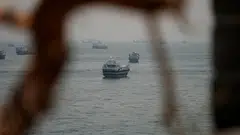
Shipping through the Strait of Hormuz slowed over the Aug 15-16 weekend, data showed on Monday, following attacks on tankers. Five commodity vessels transited the strait on Saturday, with none registered for Sunday, ship-tracking data from Kpler showed, versus 31 for the prior weekend.
The United Arab Emirates accused Iran of attacking a third vessel operated by ADNOC that was transiting the strait on Aug 14, the Emirati state news agency WAM reported, after blaming it for two other incidents involving ADNOC vessels in the strait on the evening of Aug 13. REUTERS
Decoding Asia newsletter: your guide to navigating Asia in a new global order. Sign up here to get Decoding Asia newsletter. Delivered to your inbox. Free.
Share with us your feedback on BT's products and services
TRENDING NOW

Grab CEO’s wife Chloe Tong on life with Anthony Tan and finding her purpose

Hwa Seng Builder, two China companies win S$1.2 billion Tuas Road Viaduct phase two contracts

Deal between tycoon friends sparks scrutiny of Philippine power sector

Canada is upping oil flows to Asia, but South-east Asia’s refineries aren’t ready to handle them yet

