

Oil edges lower as ample supply outweighs Middle East tensions
Brent has dropped by about a fifth this month
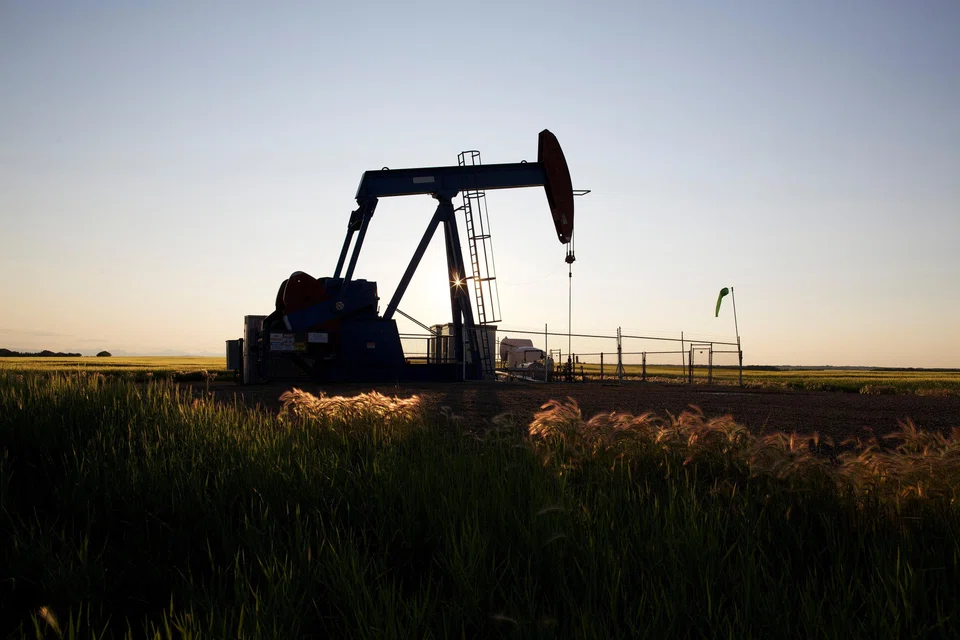
OIL declined as traders weighed signs of robust crude exports against the prospect of escalating hostilities in the Middle East.
Brent slipped below US$92 a barrel after closing 0.6 per cent higher on Friday (Nov 20), while West Texas Intermediate was near US$83. There’s been a flare-up in low-level fighting recently, including frequent attacks on tankers in the Strait of Hormuz, although crude shipments are still flowing out of the Persian Gulf.
Global benchmark Brent has dropped by about a fifth this month after President Donald Trump held off on renewed strikes following the US midterm elections.
Still, he told a Fox News correspondent over the weekend that he’s inclined to resume attacks on Iran after the New Year if no deal is reached.
“Current flows out of the Middle East should see global oil inventories build,” said John Oh, an economist at Commonwealth Bank of Australia. Still, “the market is currently pricing a US$25-to-US$30-a-barrel premium based on concerns that US‑Iran fighting can escalate,” he added.
Over the weekend, Iran again attacked Bahrain, which hosts US forces, while Teheran-backed Houthi militants continued targeting Saudi Arabia, including the capital Riyadh.


Trump said in a Truth Social post that the Islamic Republic fired more missiles and drones last week than at any time in more than a year.
Despite the hostilities, the supply outlook remains robust. The International Energy Agency has forecast a roughly 2 million-barrel-a-day surplus this quarter, while Goldman Sachs Group has flagged the risk of a glut next year. REUTERS
Decoding Asia newsletter: your guide to navigating Asia in a new global order. Sign up here to get Decoding Asia newsletter. Delivered to your inbox. Free.
Share with us your feedback on BT's products and services
TRENDING NOW

‘Walking a tightrope’: OCBC CEO Tan Teck Long on balancing bold moves with conservative banking

Share buybacks surge as 35 companies repurchase shares

Sustainability reporting largely adopted in Asia-Pacific, but gaps remain in disclosure quality and depth

South-east Asia has lost Nvidia’s best salesman

