

Oil falls after Trump says Venezuela will send oil to United States
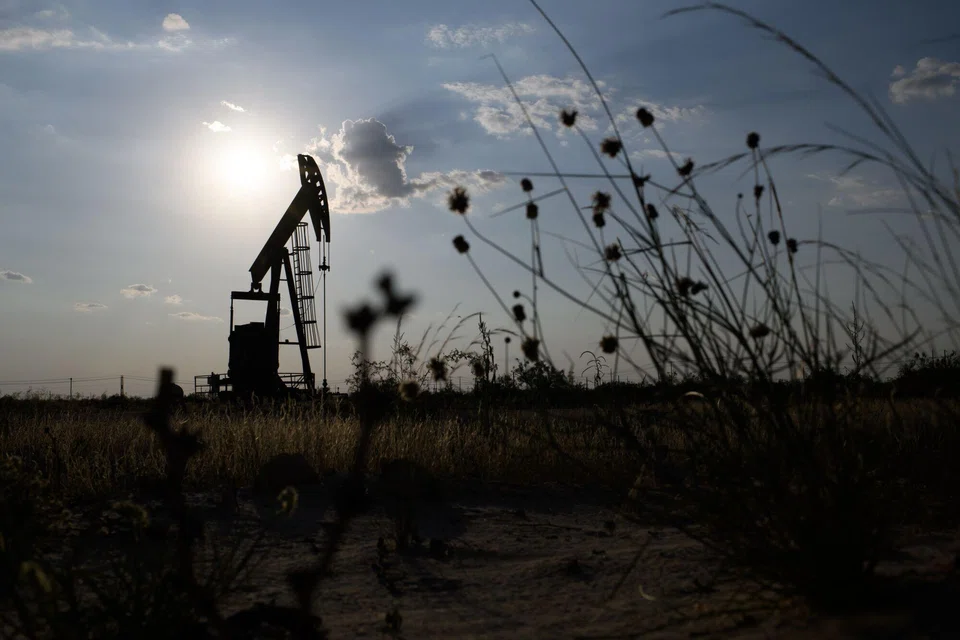
OIL prices declined on Wednesday (Jan 7) after US President Donald Trump said Venezuela will be “turning over” 30 million to 50 million barrels of sanctioned oil to the United States.
US West Texas Intermediate crude (WTI) fell 78 cents, or 1.37 per cent, to US$56.35 a barrel by 0200 GMT (10 am, Singapore time), while Brent crude futures fell 61 cents, or 1 per cent, to US$60.09 a barrel.
Both benchmark prices fell more than US$1 in the previous trading session as the market weighed expectations of ample global supply this year against uncertainty around Venezuelan crude output after the US capture of the country’s leader Nicolas Maduro.
“This Oil will be sold at its Market Price, and that money will be controlled by me, as President of the United States of America, to ensure it is used to benefit the people of Venezuela and the United States!” Trump said in a social media post on Tuesday.
Trump’s post shows he would rather increase supply than limit it, adding to concerns about an oversupply issue in the global market, said Tina Teng, a market strategist at Moomoo ANZ.
The deal Caracas and Washington have reached could initially require reallocating cargoes originally bound for China, two sources told Reuters earlier on Tuesday.
Venezuela has been selling its flagship crude grade, Merey, at around US$22 per barrel below Brent for delivery at Venezuelan ports, giving a value for the deal at up to US$1.9 billion.
That flow of oil is currently controlled entirely by Chevron, the main joint venture partner of Venezuela’s state-owned oil and gas company PDVSA, under a US authorisation.
Chevron, which has been exporting between 100,000 and 150,000 barrels per day (bpd) of Venezuelan oil to the US, is the only company that has been loading and shipping crude without interruption from the South American country in recent weeks under the blockade.

“Venezuela’s oil exports to the US have first and foremost disrupted the US market, which will also deepen the global oversupply,” said Yang An, analyst at Haitong Futures.
Complex geopolitical shifts captured market attention early this year, causing many to overlook weakness in the physical crude oil market amid oversupply, Haitong Futures said in a report.
Middle Eastern crude prices have continued to fall, becoming the weakest segment in cross-regional oil pricing, which has dampened investors’ willingness to chase gains, Haitong Futures added.
Morgan Stanley analysts estimated the oil market could reach a surplus of as much as 3 million bpd in the first half of 2026, based on weak growth in demand last year and rising supply from Opec and non-Opec producers.
Meanwhile, US crude inventories fell last week while fuel stocks rose, market sources said, citing American Petroleum Institute figures on Tuesday. The API figures showed a 2.77 million barrel decline in US crude oil stocks.
Official US government statistics on the country’s oil inventories are due on Wednesday at 10.30 am Eastern Standard Time (11.30 pm, Singapore time).
Eight analysts polled by Reuters ahead of the report estimated on average that crude inventories rose by about 500,000 barrels in the week ending Jan 2. REUTERS
Decoding Asia newsletter: your guide to navigating Asia in a new global order. Sign up here to get Decoding Asia newsletter. Delivered to your inbox. Free.
Share with us your feedback on BT's products and services
TRENDING NOW

Once staunchly pro-China, Malaysian Chinese businesses are now distancing themselves from Beijing

Britain’s mansion tax shows the difficulty of targeting wealth

Three hats, one goal: How Ng Kian Swan runs sustainability at NUHS

COE review: The gap between luxury and mass-market cars isn’t the only one worth bridging

