Oil falls on expectations US-Iran peace talks likely to proceed and lead to more supply
Investors are focused on whether talks this week will result in an extension of the existing ceasefire or a final agreement
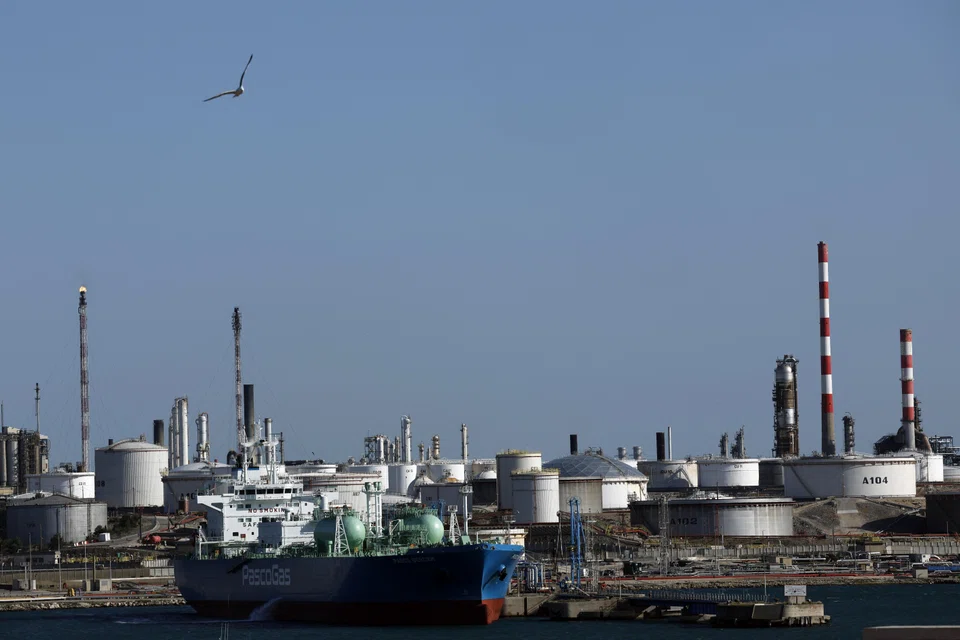
[LONDON] Oil prices fell on Tuesday (Apr 21), reversing the previous session’s gains, on expectations that peace talks between the US and Iran will take place this week and lead to more supply flowing from the key Middle East producing region.
Brent crude futures edged US$0.14 lower to US$95.34 a barrel at 0910 GMT. US West Texas Intermediate (WTI) for May fell US$1.57, or 1.8 per cent, to US$88.04. This contract expires on Tuesday and the more-active June one fell US$0.20 to US$87.21.
Both benchmarks had surged on Monday, with Brent up 5.6 per cent and WTI up 6.9 per cent, after Iran again shut the Strait of Hormuz and the US seized an Iranian cargo ship as part of its ports blockade.
Investors are focused on whether talks this week will result in an extension of the existing ceasefire or a final agreement, although further disruptions to oil flows remain likely.
“The market (is) inclined to believe that, before the expiration of the ceasefire tomorrow, at least an extension will be reached between the US and Iran, and that the Israeli-Palestinian talks scheduled for Thursday will not disappoint either,” said analyst Tamas Varga at PVM Oil Associates.
Underscoring the uncertainty, the Iranian official stressed that no decision has been made to attend talks, as Iranian Foreign Minister Abbas Araqhchi said “continued violations of the ceasefire” by the US is a hindrance to further negotiations.
Shipping through the Strait of Hormuz, a corridor for about a fifth of the world’s oil supply, remained limited on Monday and EU Energy Commissioner Dan Jorgensen said summer will be difficult for Europe due to fuel shortages even in a best-case scenario.
If disruptions persist for another month, total losses could rise to about 1.3 billion barrels, with prices likely near US$110 in the second quarter of 2026, Citi said.
Meanwhile, firefighters were still tackling a fire at Russia’s Black Sea port of Tuapse on Tuesday, more than 24 hours after a Ukrainian drone attack, local authorities said.
SEE ALSO



One of Russia’s major southern ports, Tuapse is an oil product export hub and home to a major oil refinery of the same name owned by Rosneft.
The market was also awaiting the US Energy Information Administration weekly oil report. The report for the week ending Apr 10 showed that US crude stocks, gasoline and distillate inventories fell as imports declined and exports rose.
“A continued rise in US crude oil and product exports would confirm the scarce availability of oil in the Far East and Europe and could provide renewed support to oil prices,” PVM’s Varga added. REUTERS
Decoding Asia newsletter: your guide to navigating Asia in a new global order. Sign up here to get Decoding Asia newsletter. Delivered to your inbox. Free.
Share with us your feedback on BT's products and services