

Oil falls with focus on Hormuz vessel attacks and Mideast flows
Brent settles lower, near US$100 a barrel, as West Texas Intermediate dips 1.3% to around US$88
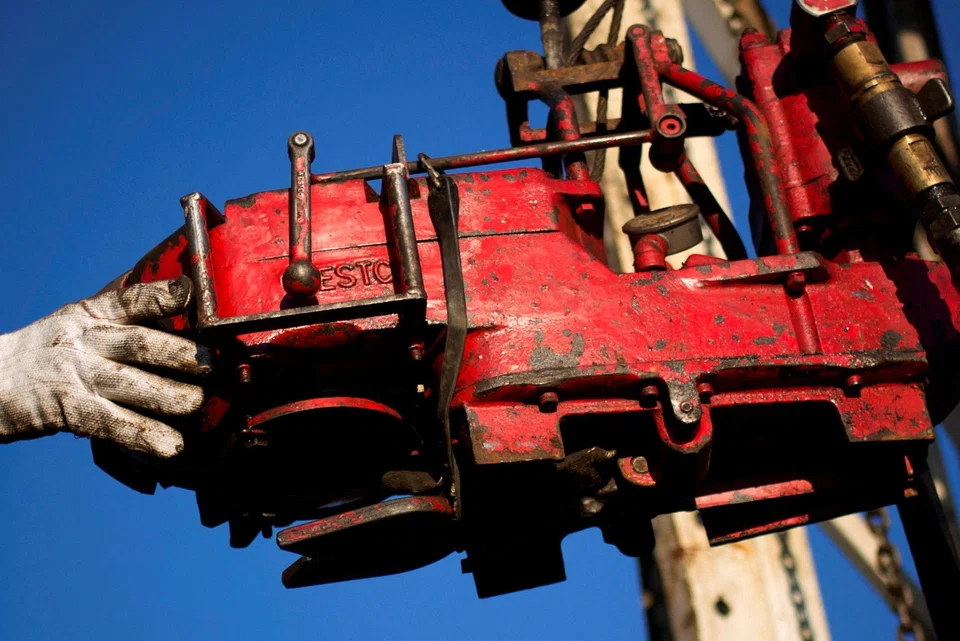
[TOKYO] Oil fell in choppy trading as traders weighed a pickup in Iranian attacks on vessels in the Strait of Hormuz against resilient flows from the Middle East.
Brent settled slightly lower, near US$100 a barrel, while West Texas Intermediate dipped 1.3 per cent to close around US$88.
While shipments through Hormuz have risen in recent weeks, UK Maritime Trade Operations has reported at least nine attacks in the waterway so far in October.
That is already half of the number reported across Hormuz and the Persian Gulf combined in September.
Oil edged higher in post-settlement trading after The Atlantic reported that the White House has asked the Pentagon to draw up strike options against Iran that could be executed before the US midterm elections, citing two administration officials.
The report counters a widespread assumption that US President Donald Trump would hold off on escalating the conflict prior to elections to keep a lid on rising energy costs, with affordability a key voting issue.
Previous waves of strikes by Iran in Hormuz have led to reductions in shipments, though that has often been offset by higher volumes in subsequent days.
Middle East flows have recovered to about 80 per cent of pre-conflict volumes, Shell chief executive officer Wael Sawan told a forum this week.
Still, far smaller amounts of refined fuels are exiting the region.

European diesel futures rose as much as 6.8 per cent on Wednesday (Oct 7), as the market has been squeezed by the fallout of both the Iran war and Ukrainian strikes on Russian refineries.
“I’m basically seeing a market not quite sure what leg to stand on,” said Ole Sloth Hansen, head of commodity strategy at Saxo Bank.
“Middle East supply, especially crude, has recovered strongly. But with Iran not being part of that increase, the risk of attacks is rising.”
Crude has climbed sharply in 2026 as the US-Iran war disrupted flows from the Middle East, with refined products rallying even harder, fanning concerns that inflationary pressures could spur higher interest rates.
Leading industry figures including Shell’s Sawan warned this week that the world is running out of stopgaps to manage the impact of the conflict, with global stockpiles being drawn down and product prices including diesel still elevated.
“The physical market has a lot less cushion than the headline export numbers suggest,” said Haris Khurshid, chief investment officer at Karobaar Capital, even as “the market is starting to believe that barrels can keep getting through”.
The high cost of moving barrels has also piled onto the physical risks as freight costs soar.
The price to move oil from inside the Persian Gulf to China rose to a record of about US$1.35 million a day on Tuesday.
The rate has surged as the number of shipowners willing to cross Hormuz dwindled after the war, after averaging close to US$60,000 a day last year.
Traders also contended with a mixed snapshot of US holdings.
Crude stockpiles contracted by 3.2 million barrels last week, according to the Energy Information Administration, even as inventories at a key hub in Cushing, Oklahoma, eked out a third straight weekly gain.
Total crude and products exports soared to the highest since late May, but the bullish impact was offset by a parallel jump in imports.
“Stronger refining activity and exports have encouraged a crude inventory draw, despite rising imports,” said Matt Smith, Americas lead oil analyst at market intelligence firm Kpler.
“The Gulf Coast drove the crude draw as both runs and exports rose, while Cushing mustered another build.”
Traders are also monitoring the weather, with the first Atlantic hurricane of the season forecast to reach the US Gulf Coast on Friday, threatening damaging winds, flooding and potential disruptions to energy production.
Tropical Storm Isaias’ current forecast takes the storm east of major oil platforms and natural gas pipelines off the coast of Louisiana and Texas.
Chevron is evacuating non-essential personnel from its Gulf platforms as a precaution.
No changes to production or operations are expected at this time, the company said. BLOOMBERG
Decoding Asia newsletter: your guide to navigating Asia in a new global order. Sign up here to get Decoding Asia newsletter. Delivered to your inbox. Free.
Share with us your feedback on BT's products and services
TRENDING NOW

What role can Japan play in Asean’s future?

IOI Properties and CapitaLand Investment closer to acquiring One Raffles Place in joint bid

AI bubble may burst soon amid financing concentration, rising rates: Ray Dalio

OCBC sheds S$8 billion in value as shares close nearly 6% down; analysts cautious on banks

