

Oil falls over 3% as Saudi price cuts add to demand doubts
 Add BT as a preferred source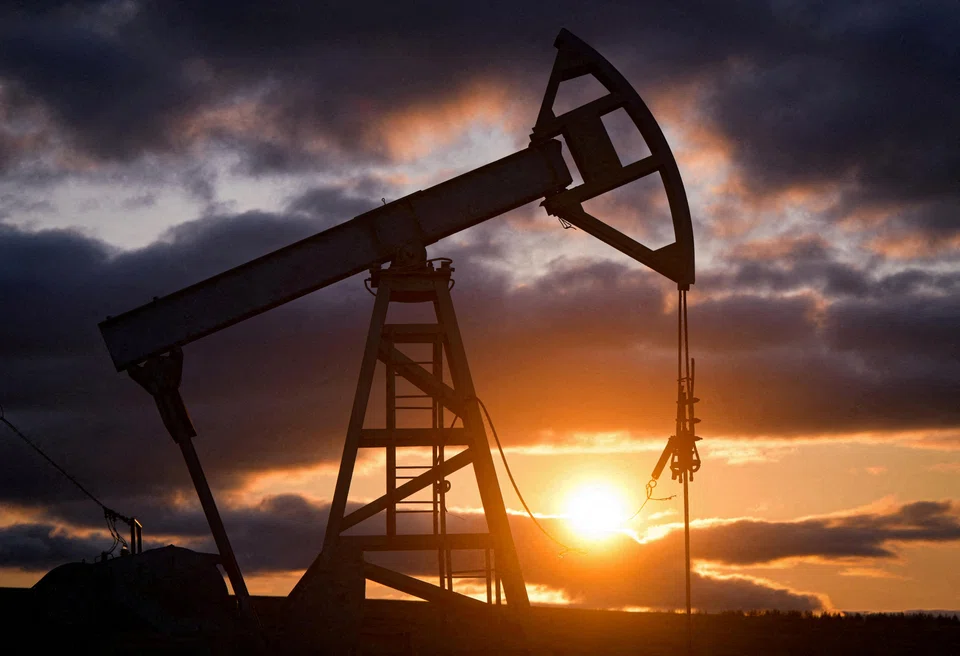
OIL prices fell over 3 per cent on Monday on sharp price cuts by top exporter Saudi Arabia and a rise in Opec output that offset supply concerns generated by escalating geopolitical tension in the Middle East.
Brent crude settled down US$2.64, or 3.4 per cent, at US$76.12 a barrel, while US West Texas Intermediate crude futures lost US$3.04, or 4.1 per cent, at US$70.77 a barrel.
Both contracts climbed more than 2 per cent in the first week of 2024 as geopolitical risk in the Middle East intensified after attacks by Yemen’s Houthis on ships in the Red Sea.
On Sunday, rising supply and competition from rival producers prompted Saudi Arabia to cut the February official selling price (OSP) of its flagship Arab Light crude to Asia to the lowest level in 27 months.
“That’s raising concerns about demand in China and global demand as well,” Price Futures Group analyst Phil Flynn said. “The stock market is off to a weak start this year and this news from Saudi Arabia has caused the bottom to fall out.”
A Reuters survey on Friday found that Opec oil output rose in December as increases in Angola, Iraq and Nigeria offset continuing cuts by Saudi Arabia and other members of the wider Opec+ alliance.
The boost came ahead of further Opec+ cuts in 2024 and as Angola exited from Opec starting this year, factors which are set to lower January output and market share.
“If we were just to focus on the fundamentals, including higher inventories, higher Opec/non-Opec production and a lower than expected Saudi OSP, it would be impossible to be anything other than bearish on crude oil,” said IG analyst Tony Sycamore.
“However, that doesn’t take into account the fact that geopolitical tensions in the Middle East are undeniably rising again, which will mean limited downside.”

US Secretary of State Antony Blinken held more talks with Arab leaders on Monday as part of a diplomatic push to stop the war in Gaza from spreading further.
The conflict has already sparked violence in the Israeli-occupied West Bank, Lebanon, Syria and Iraq, and also led to Houthi attacks on Red Sea shipping lanes.
Meanwhile, the oil price slide was tempered by a force majeure by Libya’s National Oil Corporation on Sunday at its Sharara oilfield, which can produce up to 300,000 barrels per day. REUTERS
Decoding Asia newsletter: your guide to navigating Asia in a new global order. Sign up here to get Decoding Asia newsletter. Delivered to your inbox. Free.
Share with us your feedback on BT's products and services
TRENDING NOW
DBS, OCBC and UOB shares hit all-time highs as sentiment improves

Targeted credit relief: Vietnam steers funding to Vingroup, Sun Group, Masterise megaprojects

E-commerce job cuts signal S-E Asia’s shift from scaling to deeper user engagement

Employers want AI-fluent employees. Hiring them is the challenge

