

Oil fluctuates on prospect of fresh peace talks with Hormuz shut
Heightened export demand pushed total oil and fuel exports to the highest level ever, said EIA
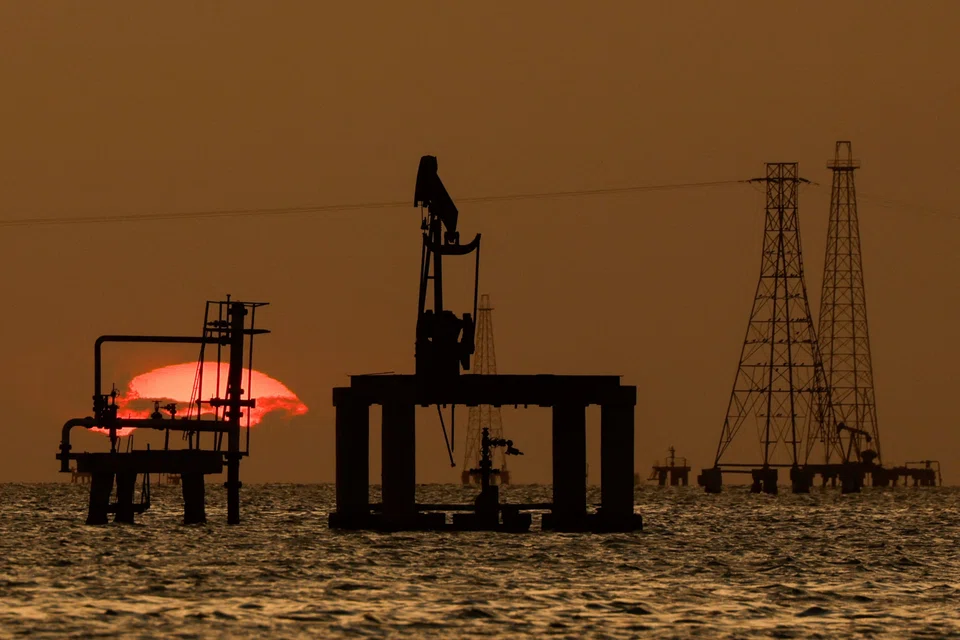
OIL flipped between gains and losses as traders weighed signs of rapidly depleting US reserves against efforts by the US and Iran to seek further talks to end a war that has brought transit through the vital Strait of Hormuz waterway to a near-halt.
West Texas Intermediate traded around US$92 a barrel, roughly back to its level before peace negotiations broke down over the weekend, after losing almost 8 per cent on Tuesday. Washington and Teheran are considering extending their ceasefire that ends on Tuesday by another two weeks to allow more time to negotiate a peace agreement, according to a person familiar with the matter.
The commodity traded higher after US Energy Information Administration data published on Wednesday showed stockpile declines across crude and all major refined product categories.
The world has been looking to US supplies to offset disruptions from the Middle East. Heightened export demand pushed total oil and fuel exports to the highest level ever, according to the EIA.
The key data jolted oil out of sleepy trading as investors weighed de-escalatory rhetoric from the White House. President Donald Trump earlier told a Fox Business anchor he sees the war “very close to over” and told ABC “you’re going to be watching an amazing two days ahead.”
The global oil market has been rattled by the conflict, which triggered an unprecedented supply shock as top Persian Gulf producers lost a crucial export route and key energy infrastructure was attacked and damaged.
“Though the dollar and oil prices rebounded slightly, markets still seemed to be leaning quite heavily toward a constructive outcome,” said Fawad Razaqzada, a market analyst at Forex.com. “That said, it still feels a touch premature to be pricing in a smooth resolution.”
Surging prices for physical crude and products such as petrol are squeezing consumers and hurting demand, with the International Energy Agency forecasting a drop in consumption this year.
Some of the strength in physical markets has eased in recent days, a further sign that traders aren’t currently expecting disruption to persist for months, though the Dated Brent benchmark — crude for immediate delivery — remains above US$120 a barrel.

The US is pressing on with its blockade of Hormuz to curb the Islamic Republic’s oil exports. Admiral Brad Cooper, commander of US Central Command, hailed the action, saying: “US forces have completely halted trade going into and out of Iran by sea.” Iran said that, if the US continues to impose the blockade, it will be considered a breach of the ceasefire.
Teheran is considering a pause to shipments through the waterway to avoid testing the US cordon, a person familiar with the matter said on Tuesday. Since the war began, Iran has prevented the passage of almost all shipping through the key route, which links the Persian Gulf to wider markets.
Should escalation risks fade, supply from the Middle East may see a “tiered recovery,” according to ANZ Group, the parent company of the Austraila and New Zealand bank. Some 2 million to 3 million barrels a day were likely to be restored in the first four weeks, followed by additional volumes, analysts including Daniel Hynes said in a note.
Oil importers in Asia are feeling a deeper crunch, with Japan set to launch a second release from national stockpiles from early May, according to the Ministry of Economy. Refiners in the region, meanwhile, could be forced to reduce operations further, throttling supplies of jet fuel and diesel.
In a bid to exert further pressure on Teheran, the Trump administration will allow a waiver temporarily authorising the purchase of certain Iranian crude to expire this weekend, according to the Treasury Department. Iranian state media reported that the country was forced to abandon intermediaries it used for decades to sell its oil.
“We still think it gets worse before it gets better,” Max Layton, global head of commodities research at Citigroup said in a Bloomberg TV interview. “We’re certainly not out of the woods.” REUTERS
Decoding Asia newsletter: your guide to navigating Asia in a new global order. Sign up here to get Decoding Asia newsletter. Delivered to your inbox. Free.
Share with us your feedback on BT's products and services






