

Oil, gold prices shoot up as Russia-Ukraine standoff deepens

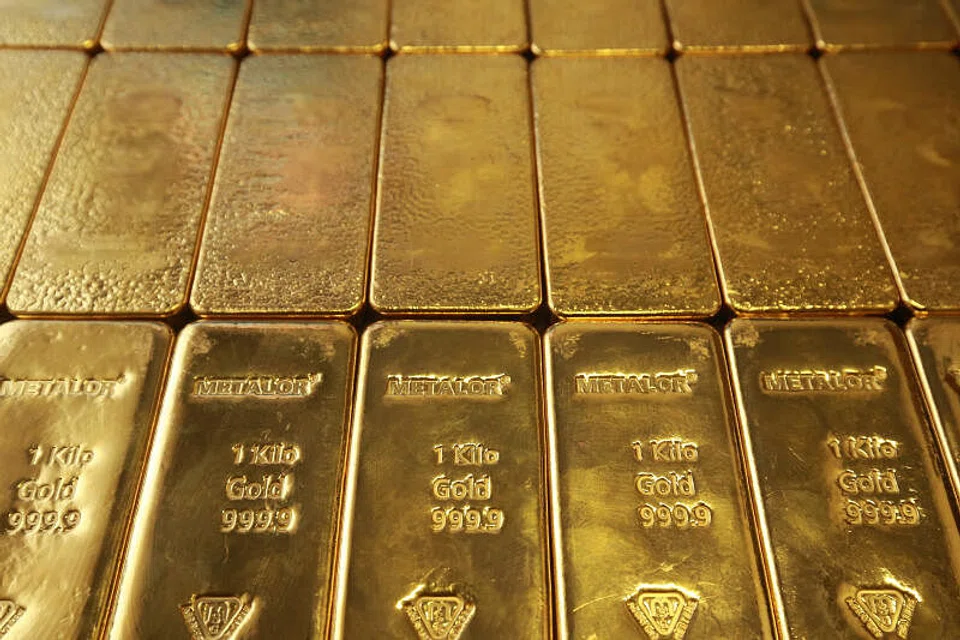
THE deepening crisis between Russia, an energy and metals powerhouse, and Ukraine has added fuel to the fire in a tight commodities market. Worries over supply cuts and sanctions have pushed oil prices to multi-year highs, while a flight to safety in volatile times has led safe-haven gold prices to an eight-month high.
"The oil market has become a fear barometer for the Ukraine crisis. With the diplomatic stand-off intensifying, concerns about energy sanctions, and thus trade disruptions, are growing. The oil and gas trade from Russia to Europe is substantial, and cutting these flows would leave both markets heavily disrupted," said Julius Baer's head of economics and next-generation research Norbert Rücker.
Russia, the world's second-largest oil producer and the second-largest crude oil exporter after Saudi Arabia, serves more than a third of Europe's fuel needs with more than 70 per cent of this oil flowing through pipelines that cross through Ukrainian territory. It is also a major producer of aluminium, palladium, nickel and platinum, which are already experiencing tight market conditions.
The high-stakes geopolitical stand-off in Eastern Europe has dialled higher after Russian president Vladimir Putin ordered forces to two separatist republics in eastern Ukraine and drew rebuke from the European Union and the US. This dashed earlier hopes in the market of possible talks between US President Joe Biden and Putin.
"A re-escalating of geopolitical tensions in eastern Europe dampened market sentiment, weighing on risk assets while buoying haven assets. The key risk is that the highly fluid situation created a large amount of uncertainty that investors dislike, adding to worries that this may unfold into a larger-scale crisis," said Margaret Yang, a strategist at DailyFX.
The impact could be far reaching for many countries if the US and Europe impose sanctions and reduce Russia's ability to produce oil and natural gas and hence limit the supply in the global market.
The rift has added to worries in a market already unnerved as the US Federal Reserve prepares to raise interest rates to fight stubbornly rising inflation.
Gold was a natural winner. The precious metal rallied to a fresh eight-month high of US$1,910 an ounce and is holding up at those levels.
Citigroup analyst Aakash Doshi, in a recent report, upgraded the house's near-term (0-3 months) price forecast to US$1,950 an ounce, on the back of the geopolitical tensions. He added: "There is a push-pull friction in the precious metals market right now. Hawkish central banks and higher yields point to a bearish price environment for bullion. Yet the potential for a (inflation-induced) monetary policy error and elevated recession risks are providing support for the medium-term gold 'hodlers'."
Even so, he deemed the US$2,100/oz record gold prices a "high hurdle" at this point and in fact, doesn't foresee a path to US$2,000. In addition, if the military tensions in the Black Sea de-escalates and stock markets stabilise, he expects the bullion rally could unwind quickly.
Julius Baer's Rücker said the house remains neutral on gold. "As history has shown, the bullion typically loses interest in such geopolitical tensions quite quickly - again assuming no sustained negative impact on the economy and/or financial markets - which is why we are very convinced that the current conflict does not mark the start of a new bull market", he said.
Similary, while oil prices could scale triple digits, he expects the spikes led by "bursts of geopolitical fears" to be short-lived. "A full-blown escalation of the Ukraine crisis remains a low likelihood, given the economic harm that it entails. Looking beyond this period of nervousness, we see lower oil prices in the longer term," he added.
Crude benchmarks Brent and West Texas Intermediate (WTI) have shot past the US$90 per barrel level this year to hit eight-year highs, led by a confluence of factors, from under production to a rebound in economic activity that have led to demand outstripping supply. The geopolitical rift has fanned the oil rally even further. Both Brent and WTI extended their overnight gains and surged 1.3 per cent and 2.9 per cent respectively to US$96.66 per barrel and US$93.70/b during the Asian mid-day session.
Mizuho Bank's head of Economics and Strategy Vishnu Varathan drew similarities between the current situation - Russia's disregard for Ukraine's sovereignty and the warnings from US and Europe - and Moscow's occupation of Crimea in 2014. The latter crucially stopped short of triggering an open military conflict between Russia and the West.
"As such, it (the current conflict) appears to have mostly invoked "risk off" sentiments driven by sanctions and diplomatic breakdown rather than outright war; as reflected in fractional gains in gold, a traditional war refuge, compared to a manic surge in crude oil on sanction threat," he added.
OANDA senior market analyst Jeffrey Halley deemed it "inevitable" that Brent crude will test US$100/b sooner rather than later. "A full-scale Russian invasion will likely see it spike to US$130 (at least), dragging the WTI with it. It is hard to see Brent moving back below US$90 a barrel anytime soon now, with Opec+ (the Organization of the Petroleum Exporting Countries (Opec) and allies) capacity limited in its ability to pump more, and Iranian crude frozen out of the market."
In a report issued last month, ING's head of commodities strategy Warren Patterson remarked that the aluminium market could also be hit if the US imposed sanctions on industries that could pose a risk to national security, which includes minerals extraction and processing. Russia is the largest aluminium producer after China.
In 2018, US sanctions against Russian aluminium producer Rusal had rattled the aluminium market.
As the global aluminium market is in deficit at the moment, any disruption to these flows would only push the market further into deficit, said Patterson, adding that output from European aluminium smelters, who are already having to shut down due to soaring energy prices, could be hurt even more. As Russia is also a "sizeable" producer of nickel, copper, palladium and platinum, these markets may be set to tighten further as well.
Beyond energy and metals, the Russia-Ukraine conflict could also impact agri commodities such as wheat, as Russia is the world's largest wheat exporter.
Baldev Bhinder, managing director of Singapore-based law firm Blackstone & Gold, remarked: "Often overlooked is the impact on grain and fertilisers, the latter currently at one of its highest price levels since the global financial crisis, in some part due to its high energy consumption needed. In a prevailing energy crisis, the Ukraine situation will only heighten the sense of scarcity around such materials, which will directly lead to higher food and energy costs."
TRENDING NOW

32 companies, 6 individuals bag accolades at Singapore Corporate Awards 2026

He built the Vingroup empire. Now South-east Asia’s richest man is handing some key roles to his sons
URA to review guidelines on floor space to give developers more design flexibility: Chee Hong Tat
Chagee, Mixue and Luckin won the market. Sustaining their edge is the harder part

