Oil higher as hopes build for output cut amid coronavirus crisis
Analysts warn that a global recession may be deeper than expected, so big production cuts are needed
 Add BT as a preferred source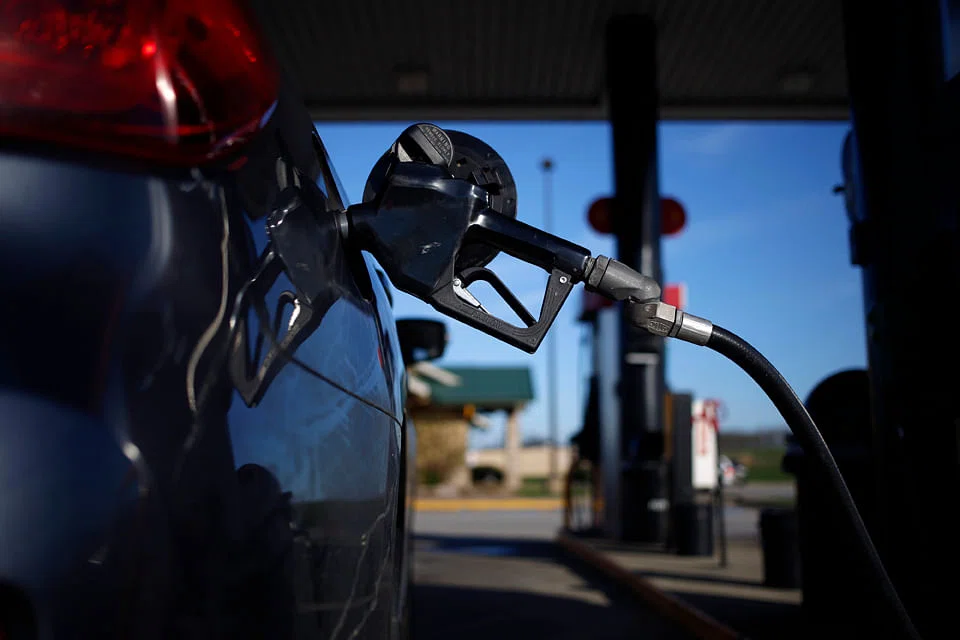
DeeperDive is a beta AI feature. Refer to full articles for the facts.
London
OIL prices clawed their way into positive territory on Tuesday as hopes that the world's biggest producers will agree to cut output outweighed analyst fears that a global recession in the wake of the novel coronavirus crisis could be deeper than expected.
Brent crude was up 83 US cents or 2.5 per cent, at US$33.88 a barrel by 5.36pm Singapore time on Tuesday, after falling more than 3 per cent the day before. West Texas Intermediate (WTI) crude was up 95 US cents or 3.6 per cent, at US$27.03, having dropped nearly 8 per cent in the previous session.
The world's main oil producers, including Saudi Arabia and Russia, are likely to agree to cut output at a meeting on Thursday, although that would depend on the United States joining in, sources told Reuters.
But the threat of a major recession hangs over the market due to the halt of much economic activity as a result of the novel coronavirus pandemic; half the global population is under some form of lockdown or social distancing measures.
"Anything less than a co-ordinated global cut is going to be disappointing to the market, as further price declines will be necessary to shut in enough output," said Greg Priddy, director of global energy and the Middle East at Stratfor in Houston.
Navigate Asia in
a new global order
Get the insights delivered to your inbox.
Worldwide oil demand has dropped by as much as 30 per cent, or about 30 million barrels per day, coinciding with moves by Saudi Arabia and Russia to flood markets with extra supply after an agreement on withholding output fell apart.
Oil prices slumped on Monday after these two countries delayed a meeting to agree on output cuts till Thursday.
The Organization of the Petroleum Exporting Countries (Opec) and other producers including Russia, a grouping known as Opec+, had been curtailing production in recent years amid a rapid expansion of US output that made the country the world's biggest crude producer.
There are questions whether the US would join any co-ordinated action.
US President Donald Trump said on Monday that Opec had not asked him to push domestic oil producers to cut their production to buttress prices.
He also said that US output was declining in response to falling prices.
"I think it's happening automatically, but nobody's asked me that question yet, so we'll see what happens," he said at a press briefing on Monday afternoon.
Co-ordinated action by US oil producers to reduce output would typically be a violation of antitrust laws.
A global recession that economists in a Reuters poll say is under way will likely be more serious than expected a few weeks ago due to the viral outbreak, the latest survey showed.
"We expect energy prices to hover around current levels until economic activity recovers," Capital Economics said in a note.
On Friday, Saudi Arabia will host an extraordinary meeting by video conference on Friday for energy ministers from the Group of 20 (G20) major economies "to ensure energy market stability", an internal document seen by Reuters shows.
"We look forward to a productive discussion, as we step up our efforts during these challenging times," the document for the G20 energy ministers meeting said. REUTERS
Decoding Asia newsletter: your guide to navigating Asia in a new global order. Sign up here to get Decoding Asia newsletter. Delivered to your inbox. Free.
Share with us your feedback on BT's products and services