

Oil hits 7-year highs as rally extends to a 7th week
 Add BT as a preferred source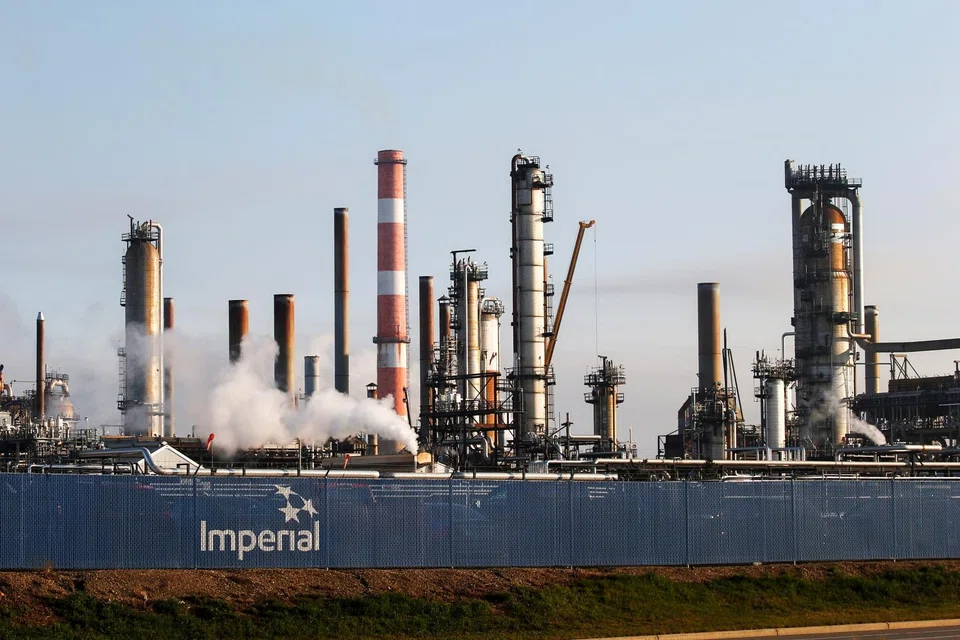
DeeperDive is a beta AI feature. Refer to full articles for the facts.
[NEW YORK] Oil prices surged to 7-year highs on Friday (Feb 4), extending their rally into a seventh week on ongoing worries about supply disruptions fueled by frigid US weather and ongoing political turmoil among major world producers.
Brent crude rose US$2.16, or 2.4 per cent, to settle at US$93.27 a barrel having earlier touched its highest since October 2014 at US$93.70.
US West Texas Intermediate crude ended US$2.04, or 2.3 per cent, higher at US$92.31 a barrel after trading as high as US$93.17, its highest since September 2014.
Brent ended the week 3.6 per cent higher, while WTI posted a 6.3 per cent rise in their longest rally since October.
The market's surge accelerated in the last 2 days as buyers piled into crude contracts due to expectations that world suppliers will continue to struggle to meet demand.
US jobs figures were surprisingly strong in January, despite the presence of the Omicron variant of the coronavirus.
Navigate Asia in
a new global order
Get the insights delivered to your inbox.
Crude prices, which have already rallied about 20 per cent so far this year, are likely to surpass US$100 per barrel due to strong global demand, market strategists said this week.
Reflecting that bullish view, money managers raised their net long US crude futures and options positions in the week to Feb 1 by 6,616 contracts to 304,013, the US Commodity Futures Trading Commission (CFTC) said.
Some, however, see risks to the rally. Citi Research said it expects the oil market to flip into surplus as soon as the next quarter, putting the brakes on the rally.
"A spike towards US$100 crude should not be ruled out in the short run, but downside risks are plentiful, including Omicron setbacks on demand, economic growth concerns and financial market corrections as the central banks fight inflation," said Bjornar Tonhaugen, Rystad Energy's head of oil markets.
Winter storms bringing icy conditions in the US, particularly in Texas, also fueled supply fears as extreme cold could cause production to shut temporarily, similar to what happened in the state a year ago.
Tight oil supplies pushed the 6-month market structure for WTI CLc1-CLc7 into steep backwardation of US$9.06 a barrel on Friday, its widest since September 2013.
Backwardation exists when contracts for near-term delivery are priced higher than those for later months - and is reflective of near-term demand that encourages traders to release oil from storage to sell it promptly.
The number of US oil rigs, an early indicator of future output, rose 2 to 497 this week, its highest since April 2020, energy services firm Baker Hughes Co said.
Even though the oil rig count has climbed for a record 17 months in a row, the weekly increases have mostly been in single digits and production is still far from pre-pandemic record highs as many companies focus more on returning money to investors rather than boosting output.
Oil markets have also gained support from geopolitical risks as major oil producer Russia has amassed thousands of troops on Ukraine's border, and is accusing the US and its allies of fanning tensions.
The Organization of the Petroleum Exporting Countries and allies led by Russia, together known as OPEC+, agreed this week to stick to moderate output increases, with the group already struggling to meet existing targets and despite pressure from top consumers to raise production more quickly.
Iraq, OPEC's second-largest oil producer, pumped well below its OPEC+ quota in January, while OPEC+ member Kazakhstan wants to keep more of its oil output at home to tackle rising fuel prices. REUTERS
Decoding Asia newsletter: your guide to navigating Asia in a new global order. Sign up here to get Decoding Asia newsletter. Delivered to your inbox. Free.
Share with us your feedback on BT's products and services
TRENDING NOW

StarHub hands Ensign InfoSecurity control back to Temasek in S$115 million deal, books S$200 million gain
Singaporeans can now buy record amount of yen per Singdollar

Air India asks Tata, Singapore Airlines for funds after US$2.4 billion loss

Keppel DC Reit posts 13.2% higher Q1 DPU of S$0.02833 on strong portfolio performance

