

Oil hits new highs on US fuel demand, tighter supply
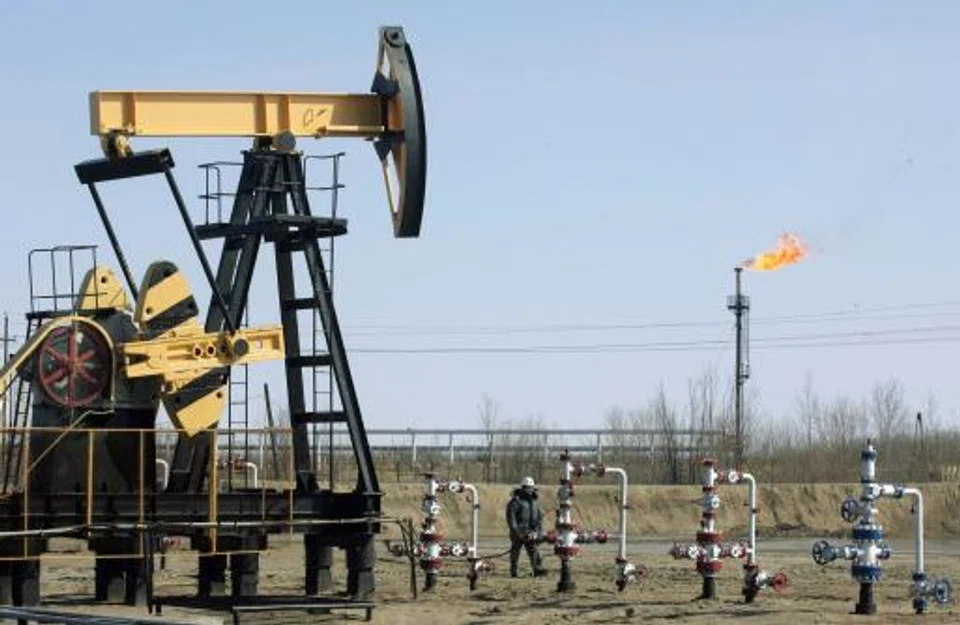
OIL prices hit new peaks on Wednesday with the global Brent benchmark touching its highest since January after a steep drawdown in US fuel stockpiles and Saudi and Russian output cuts offset concerns about slow demand from China.
Brent crude settled US$1.38, or 1.6 per cent, higher at US$87.55 a barrel, its highest since Jan 27.
West Texas Intermediate crude (WTI) closed US$1.48, or 1.8 per cent, higher at US$84.40, at its highest since November 2022.
US petrol stocks fell by 2.7 million barrels last week, while distillate inventories, which include diesel and heating oil, dropped by 1.7 million barrels, government data showed, compared with analysts’ expectations in a Reuters poll for both to hold mostly steady.
“The draws in refined products continue to be bullish for the oil market,” said Andrew Lipow, president at Lipow Oil Associates in Houston.
Markets largely shrugged off a higher-than-expected 5.85 million-barrel build in US crude stocks after a record drawdown the week before.
The US fuel stock drawdown helped offset some demand concerns after Chinese data on Tuesday showed crude oil imports in July fell 18.8 per cent from the previous month to their lowest daily rate since January.
China’s consumer sector also fell into deflation and factory-gate prices extended declines in July, as the world’s second-largest economy struggled to revive demand.
Supporting prices, however, were top exporter Saudi Arabia’s plans to extend its voluntary production cut of 1 million barrels per day for another month to include September. Russia also said it would cut oil exports by 300,000 bpd in September.
“The latest recovery is mainly driven by the pledge of major producers, like Saudi Arabia and Russia, to keep supply subdued for another month,” said Charalampos Pissouros, senior investment analyst at broker XM.
Crude posted its sixth consecutive weekly gain last week, helped by a reduction in Opec+ supplies and hopes of stimulus boosting oil demand recovery in China.
On Tuesday, Saudi Arabia’s cabinet said it reaffirmed its support for precautionary measures by the Organization of the Petroleum Exporting Countries and its allies, known as Opec+, to stabilise the market, state media reported.
Markets will also closely watch July’s US Consumer Price Index (CPI), due on Thursday, which is expected to show a slight year-over-year acceleration. REUTERS
Decoding Asia newsletter: your guide to navigating Asia in a new global order. Sign up here to get Decoding Asia newsletter. Delivered to your inbox. Free.
Share with us your feedback on BT's products and services
TRENDING NOW

World’s largest offshore wind platform by Seatrium consortium on track to be completed by 2028

Is stamp collecting enjoying an analogue revival or are its best days over?

GovTech retrenches another 38 staff in second round of layoffs

MBS adjusted property Ebitda falls 20.6% in Q3 with fewer high-roller visits, weaker hold

