

Oil hits US$105 as Middle East flareup heightens supply worries
Brent is up more than 70% this year
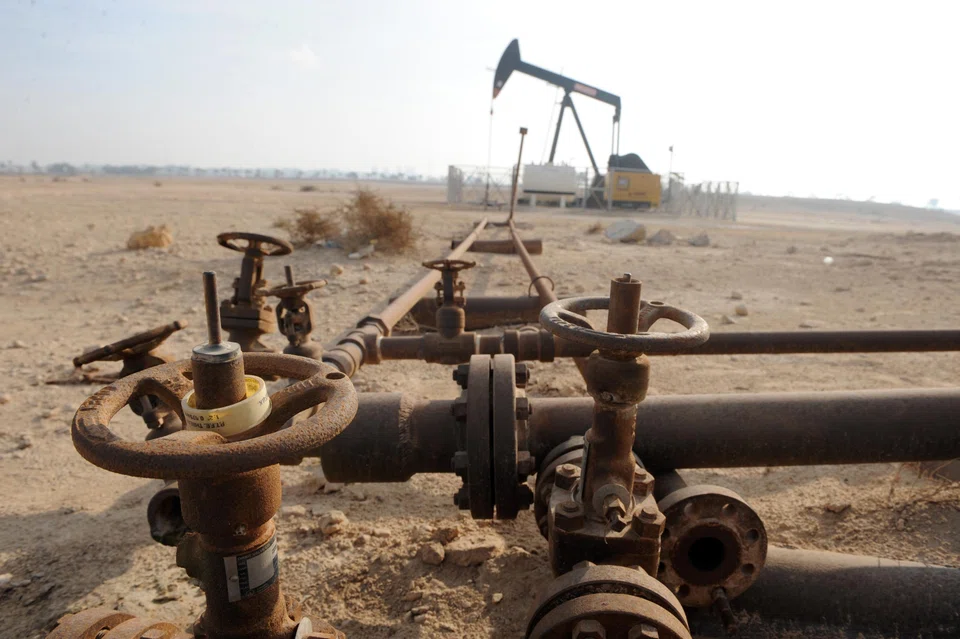
BRENT oil spiked to US$105 a barrel as rising tensions in the Middle East heightened concerns over global supplies.
The crude benchmark extended a rally that saw futures jump to triple figures for the first time since July in the previous session. Renewed fighting over the past week has ended a period of relative calm, and the prospect of a lengthy conflict is fanning renewed fears of energy-driven inflation as prices for natural gas and diesel also surge.
Iran signalled it has no intention of backing down in the face of an American naval blockade and will escalate its strikes if the US continues attacking its territory. Meanwhile, Teheran-backed Houthis in Yemen are targeting Saudi Arabian assets, with the kingdom warning its crude production plunged last month to the lowest since 1990.
In the latest development, the militants defeated Yemeni government forces in Mokha, on the Red Sea, better positioning the group to menace shipping in the Bab-el-Mandeb Strait, the New York Times reported, citing two Yemeni officials it didn’t name.
Brent is up more than 70 per cent this year, although the benchmark remains well below its wartime peak of US$126 a barrel reached in April, in part due to some crude flowing out of the Persian Gulf.
Still, gains have accelerated across the oil market in recent days. The Dated Brent physical market benchmark was priced at US$114 a barrel on Wednesday, as fresh buying from Asia tightens supplies. Those purchases are coming as drivers are paying more to fill up, with retail diesel prices in the US nearing an unprecedented US$6 a gallon and European gasoil futures approaching US$200 a barrel. US gasoline prices at the pump hit a Labor Day record this week.
President Donald Trump said the war would only end after the November midterm elections and that significant gasoline price relief would not come before then, signalling little prospect of a near-term de-escalation in the conflict and relief for consumers.
“Rising oil prices will be a concern ahead of the midterms,” said Warren Patterson, head of commodities strategy at ING Groep NV. “In order to see prices moving significantly higher, we would need to see recent escalation feeding through to renewed disruptions in oil flows through the Strait of Hormuz.”
The US is trying to cripple Iran’s economy through a naval blockade that has slashed oil exports, alongside threats to penalise governments and companies that fail to sever ties with Teheran. The Iranian official acknowledged growing economic pain, but said the leadership believes it has little choice but to keep fighting until it is confident Washington will be too wary to attack again.
White House advisers, including Vice President JD Vance, have privately raised with Trump the prospect that the war with Iran could drag on through the remainder of his term, the Wall Street Journal reported, citing US officials. Such a scenario would strain US military resources and heighten the risk of prolonged disruptions to Middle East energy supplies.
A resurgence in Chinese buying has helped to tighten the global oil market, although the country’s smaller refiners are being squeezed by higher prices and may be forced to cut processing runs in the coming weeks, potentially curbing demand in the world’s biggest crude importer.
US Energy Secretary Chris Wright told Bloomberg that just under 11 million barrels a day of crude and oil products are moving through Hormuz. He also offered a more optimistic assessment than Trump on gasoline prices, saying they will move lower in the coming weeks as efforts to boost US refining capacity gather pace.
For now, US diesel inventories are projected to fall this month to their lowest in more than two decades, according to the Energy Information Administration. BLOOMBERG
Decoding Asia newsletter: your guide to navigating Asia in a new global order. Sign up here to get Decoding Asia newsletter. Delivered to your inbox. Free.
Share with us your feedback on BT's products and services






