

Oil jumps above US$90 as Trump says US plans to strike Iran again
Crude’s sharp rally on Wednesday comes in the middle of a highly volatile month
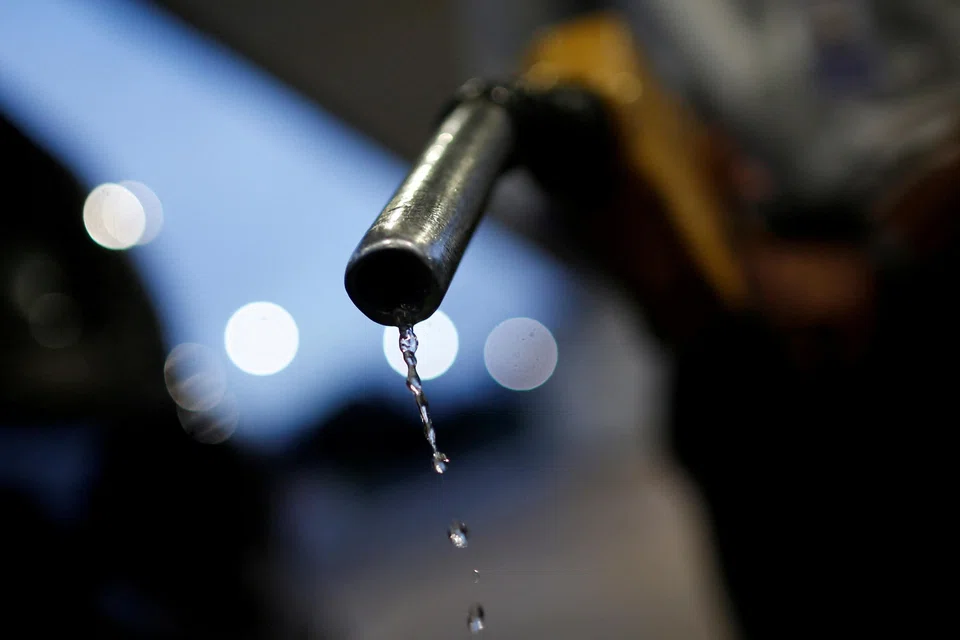
[SINGAPORE] Oil rallied as a fresh round of fighting erupted across the Middle East, a reminder of the continued risk to flows in the region.
Brent topped US$90 a barrel, spiking about 7 per cent. Futures have been whipsawed this month as the US and Iran went from escalation to an apparent move towards diplomacy, and now back to trading fire.
US President Donald Trump told Fox News that Iran would be hit hard after an attack on US forces in Jordan. The Islamic Revolutionary Guard Corps targeted a US airbase and command centre in Jordan with ballistic missiles, state-run IRIB News reported, citing an IRGC statement. Iranian media later said the US had attacked part of its territory.
Crude’s sharp rally on Wednesday comes in the middle of a highly volatile month. Futures have swung in a range of almost US$32 a barrel in July as attacks between the US and Iran escalated and the Teheran-backed Houthis opened a new front of conflict in the Red Sea – only to retreat sharply as hostilities briefly abated.
Investors remain focused on diplomatic moves to end the war, as well as signs flows through key chokepoints remain compromised.
“We remain exceedingly sceptical that we are on the brink of a major diplomatic breakthrough that will resolve the nuclear standoff that started the war,” RBC Capital Markets LLC analysts including Helima Croft said in a note. “The ongoing threat of missiles, mines, drones, and Tehran tolls will keep a significant portion of the shipping market on the sidelines,” they added.
Earlier, Reuters reported that Yemen’s Houthi militant group was considering charging fees for ships sailing through the Red Sea. Iran has sought to impose similar charges on the vital Strait of Hormuz, which accounted for about a fifth of the world’s oil and gas flows before the war.
Meanwhile, the US military and Saudi Arabia also struck “Iran-aligned terrorists” in Iraq after they were directed by the IRGC to target American forces and Saudi energy infrastructure, Centcom said. Riyadh confirmed a joint operation with the US, saying strikes were undertaken as a “right of self-defence,” according to the state-run SPA.
The gyrations in oil and refined products such as petrol caused by the war have complicated the challenge facing central bankers as they seek to contain inflation. In the US, Federal Reserve policymakers will decide on rates later on Wednesday, with some forecasters saying that they expect a hike.
SEE ALSO

Continued attacks would likely prompt investors to rebuild “long positions in oil, and rotating back into traditional safe havens,” said Priyanka Sachdeva, senior market analyst at Phillip Nova, referring to bets on gains. BLOOMBERG
Decoding Asia newsletter: your guide to navigating Asia in a new global order. Sign up here to get Decoding Asia newsletter. Delivered to your inbox. Free.
Share with us your feedback on BT's products and services
TRENDING NOW

Once staunchly pro-China, Malaysian Chinese businesses are now distancing themselves from Beijing

Britain’s mansion tax shows the difficulty of targeting wealth

Three hats, one goal: How Ng Kian Swan runs sustainability at NUHS
COE review: The gap between luxury and mass-market cars isn’t the only one worth bridging

