

Oil prices jump on renewed US-Iran hostilities
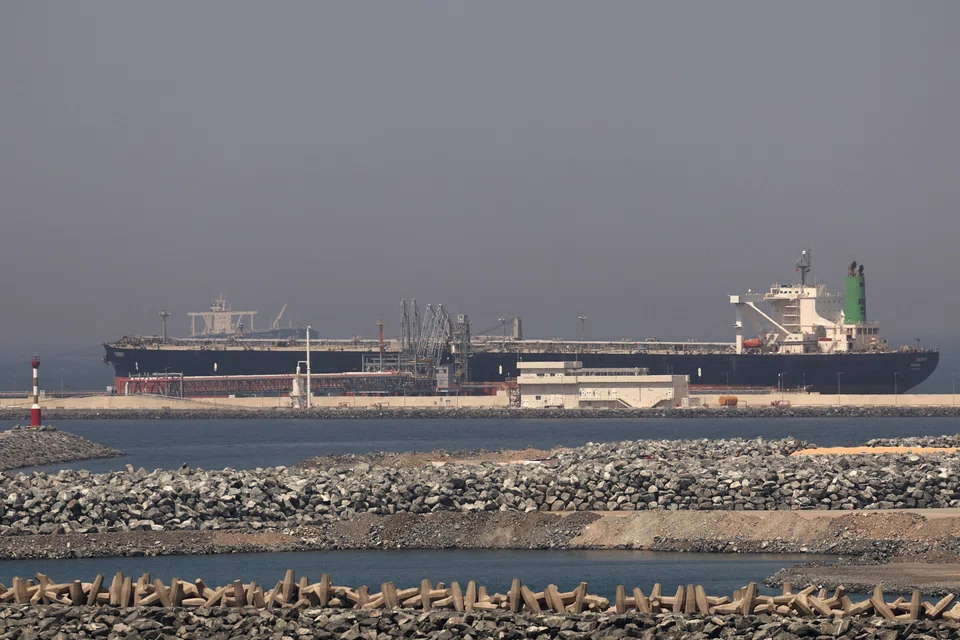
[NEW DELHI] Oil prices rose about 1 per cent on Friday (May 8) after renewed fighting broke out between the US and Iran, threatening a shaky ceasefire and dashing hopes for progress on a reopening of the Strait of Hormuz, a key transit route for oil and liquefied natural gas.
Brent crude futures were up US$1.20, or 1.2 per cent, at US$101.26 a barrel as of 0356 GMT. West Texas Intermediate (WTI) US crude futures rose by US$0.85, or 0.9 per cent, to US$95.66 a barrel. The benchmarks were up more than 3 per cent at market open.
The gains snapped three days of decline on reports this week that the US and Iran were close to agreeing to a peace deal that would end the fighting but put off larger issues around Iran’s nuclear programme. For the week, both contracts are still set to fall about 6 per cent.
“The market is on the cusp of a complete breakdown. Price formation is no longer anchored in a pragmatic reading of the war’s trajectory or the physical realities in the Strait of Hormuz,” said Vandana Hari, founder of oil market analysis provider Vanda Insights.
Friday’s jump in prices followed Iran’s accusations that the US violated the month-long ceasefire between them, while the US said its strikes were retaliatory after Iran fired on US Navy vessels transiting the Strait of Hormuz on Thursday.
Iran’s military said the US had targeted an Iranian oil tanker and another ship and civilian areas in the strait and on the mainland.
Despite the renewed combat, US President Donald Trump told reporters later on Thursday the ceasefire was still in effect.
“The US administration continues to oversell the prospects of a thaw, and an optimism-biased market buys into it. Curiously, each time, the rebound is gradual and incomplete, making the head fakes at least somewhat effective,” Vanda Insights’ Hari said.
The exchange of fire happened as Washington awaited Iran’s response to the latest peace proposal, which did not address a number of contentious issues including the US demand to reopen the Strait of Hormuz, a conduit for one-fifth of the world’s oil and LNG supply before the war began on Feb 28.
SEE ALSO

“On the supply front, the picture remains tight,” IG analyst Tony Sycamore said in a note.
Separately, the US Commodity Futures Trading Commission is investigating oil price trades totalling US$7 billion ahead of key Iran war-related announcements by President Trump, Reuters reported on Thursday.
Most of the trades involved short positions, or bets on prices falling, placed on the Intercontinental Exchange and Chicago Mercantile Exchange before Trump statements announcing attack delays, the ceasefire or other changes to Iran policy that led to a decline in oil markets. REUTERS
Decoding Asia newsletter: your guide to navigating Asia in a new global order. Sign up here to get Decoding Asia newsletter. Delivered to your inbox. Free.
Share with us your feedback on BT's products and services
TRENDING NOW

Grab CEO’s wife Chloe Tong on life with Anthony Tan and finding her purpose

Hwa Seng Builder, two China companies win S$1.2 billion Tuas Road Viaduct phase two contracts

Deal between tycoon friends sparks scrutiny of Philippine power sector
Canada is upping oil flows to Asia, but South-east Asia’s refineries aren’t ready to handle them yet

