

Oil pares gains after US says two vessels crossed Strait of Hormuz
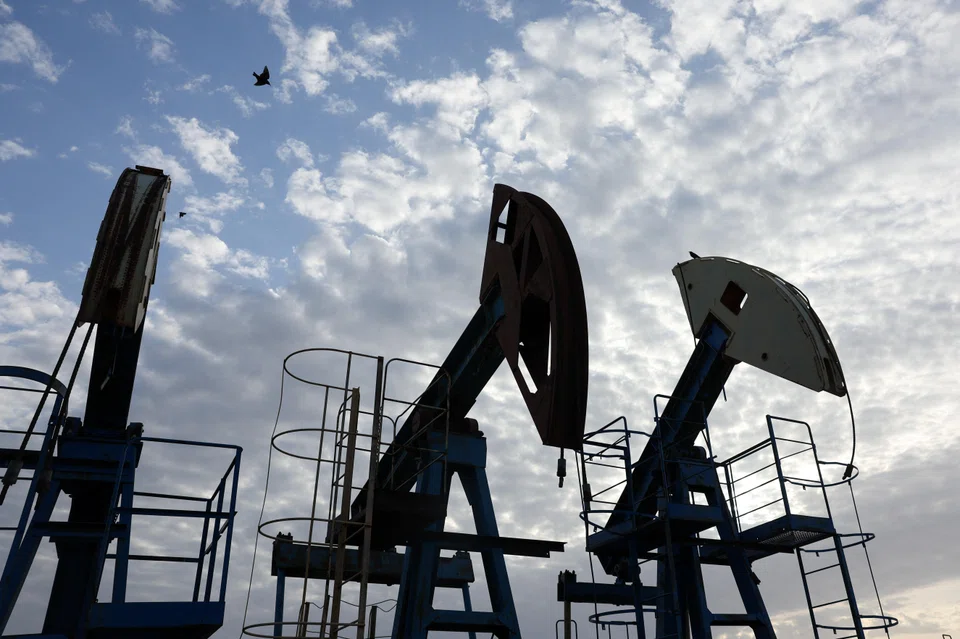
[LONDON] Oil prices pared earlier gains on Monday after the US military said two US Navy guided-missile destroyers had entered the Gulf to break an Iranian blockade and that two US ships had transited the Strait of Hormuz.
Iran earlier said it had prevented a US warship from entering the Gulf. Brent crude futures were up US$2.05, or 1.9 per cent, at US$110.22 a barrel by 1307 GMT, having hit a session high of US$114.30.
US West Texas Intermediate was up 47 cents, or 0.5 per cent, at US$102.41 a barrel, after rising to as high as US$107.46 earlier on Monday.
Prices spiked after Iranian news agency Fars reported on Monday, citing local sources, that Teheran had struck a US warship intending to pass through the strait and forced it to turn back. US Central Command denied any US Navy ships had been struck on Monday.
“The path for prices remains skewed to the upside as long as flows through the strait remain restricted,” UBS analyst Giovanni Staunovo said.
President Donald Trump said the US would begin efforts to assist ships stranded in the strait, but prices stayed above US$100 a barrel, with no peace deal in sight and shipping through the strategic waterway still constrained. Iran’s military warned US forces on Monday not to enter the strait, saying it would “respond harshly” to any threat.

Trump has made securing a nuclear deal with Tehran a priority, but Iran wants to defer nuclear talks until after the war and first lift rival blockades on Gulf shipping. Meanwhile, the United Arab Emirates on Monday accused Iran of attacking an empty crude oil tanker belonging to the Abu Dhabi state oil firm ADNOC with drones as it attempted to pass through the strait.
On Sunday, the Organization of the Petroleum Exporting Countries and its allies, known as Opec+, said it would raise oil output targets by 188,000 barrels per day in June for seven members, marking the third consecutive monthly increase.
The rise matches the one agreed for May, minus the share of the UAE, which left Opec on May 1. However, the additional barrels are expected to remain largely confined to paper as long as the war continues to disrupt Gulf oil supplies. REUTERS
Decoding Asia newsletter: your guide to navigating Asia in a new global order. Sign up here to get Decoding Asia newsletter. Delivered to your inbox. Free.
Share with us your feedback on BT's products and services
TRENDING NOW

Once staunchly pro-China, Malaysian Chinese businesses are now distancing themselves from Beijing

New launch or resale unit? Here’s a guide for homebuyers
The lesser-known prospects in the Asian chipmaking supply chain

Cliff Tan has 7 million followers and a 4-month waitlist. Why won’t he expand his business?

