

Oil pares losses after Saudi Arabia says Opec+ has options including cuts
 Add BT as a preferred source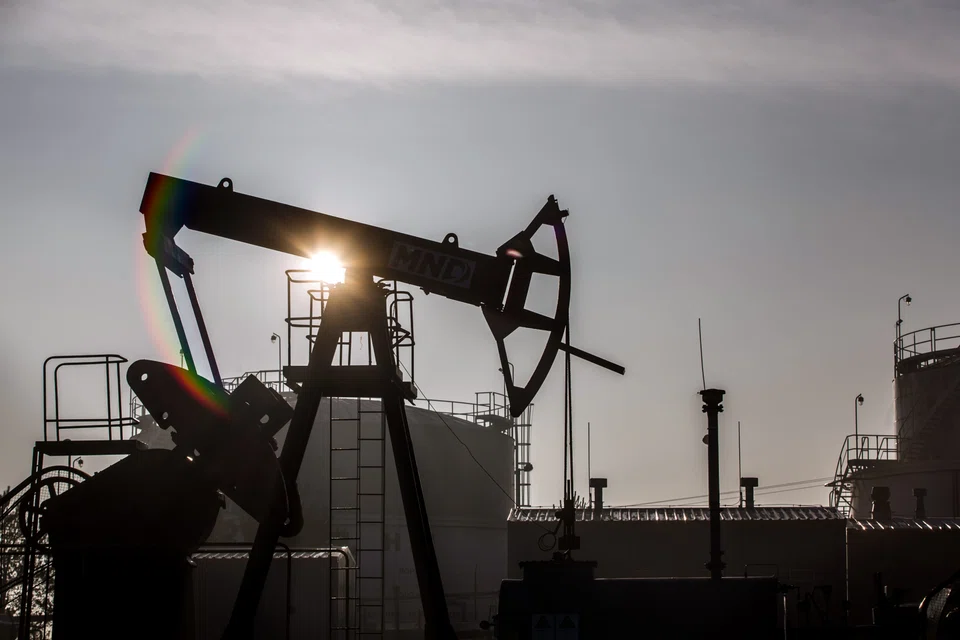
OIL prices bounced off session lows to trade nearly flat in a volatile session on Monday (Aug 22) as markets weighed Saudi Arabia’s warning that Opec+ production could cut output against the possibility of a nuclear deal that could return sanctioned Iranian oil to the market.
Brent crude futures for October settled at US$96.48 per barrel, down 24 cents, or 0.25 per cent. It had fallen as much as 4.5 per cent earlier in the day, breaking a three-day streak of gains.
US West Texas Intermediate (WTI) crude for September delivery, which expired on Monday, was down 54 cents, or 0.6 per cent, at US$90.23.
The more active October contract was down 4 cents, or 0.03 per cent, at US$90.41.
Saudi Energy Minister Prince Abdulaziz bin Salman said Opec+ has the commitment, flexibility, and means to deal with challenges and provide guidance including cutting production at any time and in different forms, state news agency SPA reported.
Meanwhile, the leaders of the United States, Britain, France and Germany discussed efforts to revive the 2015 Iran nuclear deal, the White House said on Sunday, which could allow sanctioned Iranian oil to return to global markets.
The US State Department said a nuclear deal was closer now than it was two weeks ago. Earlier in the session, worries that aggressive US interest rate hikes may lead to a global economic slowdown and dent fuel demand had pushed down prices.
“The near-term fundamentals seem more to the bears until we see some positive economic indications either out of the US or China, which is looking unlikely,” said Dennis Kissler, senior vice-president of trading at BOK Financial.
The US Federal Reserve will raise rates by 50 basis points in September amid expectations inflation has peaked and growing recession worries, according to economists in a Reuters poll.

Investors will be paying close attention to comments by Fed Chair Jerome Powell when he addresses an annual global central banking conference in Jackson Hole, Wyoming, on Friday.
Also pressuring prices were worries over slowing fuel demand in China, the world’s largest oil importer, partly because of a power crunch in the south-west.
Beijing cut its benchmark lending rate on Monday as part of measures to revive an economy hobbled by a property crisis and a resurgence of Covid-19 cases.
The dollar index rose to a five-week high on Monday.
A stronger greenback is generally bearish as it makes it more expensive for buyers with other currencies in the dollar-denominated oil market.
High natural gas prices exacerbated by reduced supply from Russia is strengthening oil demand, said Ole Hansen, head of commodity strategy at Saxo Bank.
Supply worldwide remains relatively tight, with the operator of a pipeline supplying about 1 per cent of global oil via Russia saying it will reduce output again because of damaged equipment.
Opec+ produced 2.892 million barrels per day (bpd) below their targets in July, two sources from the producer group said, as sanctions on some members like Russia and low investment by others stymied its ability to raise output. REUTERS
Decoding Asia newsletter: your guide to navigating Asia in a new global order. Sign up here to get Decoding Asia newsletter. Delivered to your inbox. Free.
Share with us your feedback on BT's products and services
TRENDING NOW

Malaysian tycoon Vincent Tan’s sell-downs point to pruning rather than an exit plan
EU and Asean at 50: time for bold action

Tiger Beer lines up new products as Singapore operations’ role shifts from brewing to innovation
Asean must retain more value as its digital economy races towards US$2 trillion: Indonesian minister

